A white cloud rising from your outdoor heat pump can look alarming the first time you see it. In cold, damp weather, it may be water vapor associated with the unit's automatic defrost cycle rather than a breakdown.
Start by checking the circumstances and your equipment instructions from a safe place. Smoke, burning odor, severe noise, a fire indication, or another immediate hazard calls for the appropriate urgent response instead of an assumption that every cloud is harmless.
Know why the outdoor coil can frost
In heating mode, an air-source heat pump gathers heat outdoors and delivers it indoors. Its outdoor coil can be colder than the surrounding air, allowing moisture to collect and freeze under suitable conditions.
Trane explains that a heat pump may therefore need defrost even when the outdoor air is above freezing. The outside temperature alone does not tell you whether a brief automatic defrost event is expected.
A light layer of frost and a cabinet encased in persistent ice are different observations. Describe where you see frost, whether it clears, and how the unit behaves afterward instead of giving both conditions the same label.

You do not need to stand beside the fan to collect those details. A photograph from a safe distance or through a window can document what you see while keeping you away from moving parts and slippery ground.
Follow the temporary change in the heat path
During defrost, the system changes refrigerant operation to warm the outdoor coil and clear frost. Afterward it returns to its normal heating operation, with the exact sequence controlled by the equipment.
You may notice a brief change in sound, a stopped outdoor fan, or visible vapor as the frost clears. Backup heat behavior and indoor airflow depend on the installed system and controls, so another household's sequence may not match yours.
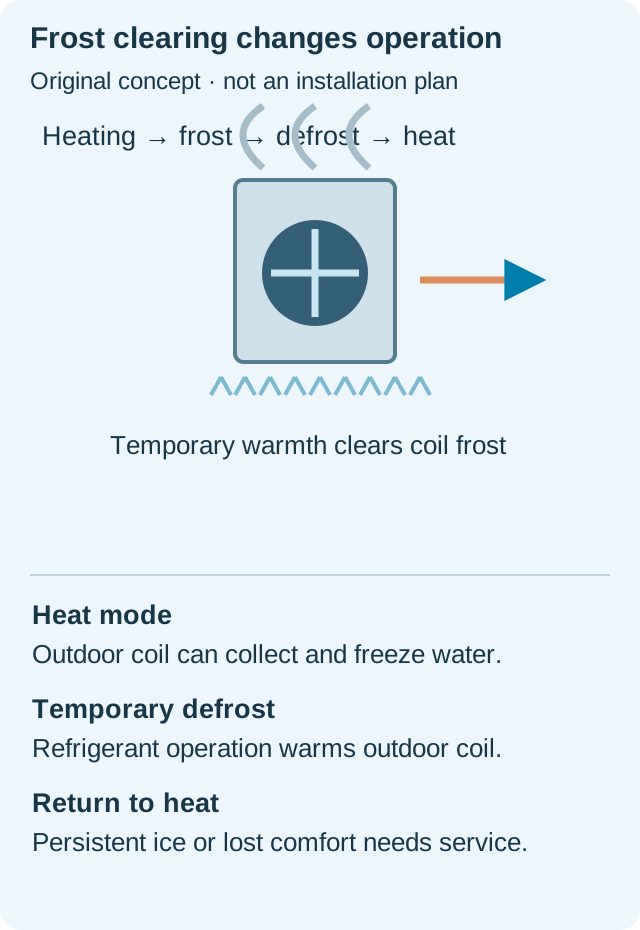
Use the diagram as a relationship map rather than an operating instruction. It shows why the outdoor coil needs warmth for this temporary job, without telling you to switch modes, open valves, or force a cycle.
Do not apply a fixed duration from a different model as a pass-or-fail test. Check your own manual and ask the service company which observations and timing are useful for the particular installation.
Distinguish an isolated event from a pattern
Record the date, outdoor conditions, approximate start and end, and what happened after the event. If the frost cleared and normal heating resumed, keep that sequence in your notes for future comparison.
If ice remains, grows, or the system seems to spend increasing time in defrost, contact service. Trane identifies persistent icing and repeated or prolonged defrost behavior as reasons for professional attention.
Include your indoor experience in the record: room temperature, thermostat message, and whether comfort returned. A normal-looking outdoor change does not dismiss an ongoing problem with maintaining indoor temperature.
If you cannot tell whether the visible cloud is vapor or smoke, prioritize your safety and seek appropriate help. You do not have to settle that distinction by approaching the equipment or trying to smell the discharge.
Leave the ice-removal job to the system and professionals
Do not chip at the coil, bend fins, use a flame, or pour hot water into the cabinet. Those actions can damage components or create hazards without solving the condition that caused the ice.
Do not cover running equipment to keep snow or frost away. Follow your model's clearance and seasonal-care instructions, and ask the installer about site conditions such as drifting snow or roof runoff.
From the ground, you can note leaves, snow accumulation, or an obstruction near the unit. Leave cabinet removal and any work near moving, electrical, or refrigerant components to qualified service personnel.
If access is icy or the unit is below a dangerous roof edge, skip the observation. Tell the service company about the access condition so the visit can be planned safely instead of adding a fall risk to a heating concern.
Understand the thermostat message in context
A display marked AUX may appear during some defrost sequences when supplemental heat is available and configured for that purpose. The label does not by itself prove that the main heat pump has permanently failed.
Record the exact message and which operating mode you selected. Do not change to emergency heat simply because you saw an unfamiliar label, especially if you do not know how backup is arranged in your home.
If the manual's description is unclear, ask your installer for a written explanation of ordinary heat, auxiliary operation, emergency operation, and defrost. Keep those explanations with the model numbers rather than relying on a general online diagram.
For a dual-fuel installation, specifically ask how the furnace and heat pump are coordinated. Your system's intended sequence may differ from an electric heat-strip system, and that difference should be explicit in the advice you receive.
Make the service request specific
Tell the company whether the main complaint is persistent ice, frequent events, lost comfort, a fault message, or a new sound. Add whether this is your first winter with the system or a change from previous winters.
If you recently had a repair, control replacement, or maintenance visit, include the date and work description. You can provide that history without asserting that the previous work caused the current symptom.
Send a photo showing the complete unit and surrounding ground if it can be taken safely. A close-up of white fins alone may omit drainage, snow, or exposure details that help the technician understand the setting.
Ask what the technician checked and how the result explains your observations. If a sensor, control, or refrigerant issue is identified, keep the diagnosis and repair on the work order rather than reducing the record to ice removed.
Set realistic expectations for winter observation
Your heat pump does not need to look and sound identical throughout every heating call. The useful question is whether it follows its documented sequence and keeps your home comfortable under the conditions it was designed for.
Use a few representative observations rather than monitoring every outdoor sound all night. If the system continues losing comfort or displaying a fault, arrange service instead of collecting a longer notebook while the condition worsens.
If you use remote alerts, save the actual message and timestamp. An app's brief equipment status can support the record, but it does not replace the physical checks needed to identify a cause.
You can also ask at routine maintenance how to recognize your own system's normal defrost event. That conversation is easier when a technician can connect the explanation to your installed control and outdoor model.
Keep a winter reference you can find
Put the operating manual, model numbers, installer contact, service number, and explanation of thermostat labels in one accessible folder. Add your normal observation notes once the equipment's behavior has been explained.
Include any special instructions for snow, power interruptions, or extended absence that the manufacturer and installer provide. Do not invent a winter cover or shutdown procedure from another equipment type.
When another household member sees the same brief vapor cloud, you can share the documented sequence and the conditions that would prompt a call. That is more useful than either dismissing every concern or treating every defrost cycle as an emergency.
If you cannot observe the event directly, say so when you call. A neighbor's description can be useful history, but it should remain attributed to that observer rather than becoming a detail you personally confirmed.
A little context makes the outdoor event less mysterious. You can recognize a possible normal maintenance cycle, leave the equipment intact, and still act promptly when the behavior does not match your system's expected operation.
Sources & how to use this guide
Primary references checked October 15, 2026. The planning examples are original editorial suggestions; no home inspection, product ownership, or hands-on testing is claimed.