Best in Wall and Through-the-Wall HVAC Units for Easy Cooling and Heating
Answering your search for reliable in-wall or through-the-wall HVAC solutions, these five units cover common residential and commercial needs. Best for compact hotel rooms, apartments, dorms, or studios is the PTAC style, while through-the-wall and wall-mounted options suit living rooms, bedrooms, or small offices. This guide compares models based on cooling and supplemental heating capabilities, installation notes, and practical pros and cons to help you choose.
| Product | Type | Cooling BTU | Approx. Heating | Best For |
|---|---|---|---|---|
| Whirlpool 14,000 BTU Through-The-Wall | Through-The-Wall | 14,000 | 10,600/8,600 BTU supplemental heat | Large living spaces up to 700 sq ft |
| Whirlpool 10,000 BTU Through-The-Wall | Through-The-Wall | 10,000 | — | Smaller living rooms and bedrooms up to 450 sq ft |
| Keystone 23,200 BTU Window | Window | 23,200 | 16,000 BTU supplemental heat | Very large rooms up to 1,500 sq ft |
| Keystone 14,000 BTU Wall Unit | Wall Mounted | 14,000 | — | Bedrooms, offices, medium rooms up to 700 sq ft |
| Frigidaire 12,000 BTU Wall Unit | Wall Mounted | 12,000 | — | Balanced cooling for mid-size rooms up to 550 sq ft |
Note: This selection focuses on units that fit typical “in-wall” or “through-the-wall” installations, with options that suit different room sizes and usage scenarios. For each model, consider sleeve compatibility, electrical requirements, and whether supplemental heating is appropriate for your climate and usage patterns.
Cooper & Hunter PTAC 15,000 BTU With Heater

Type: PTAC with built-in 3.5 kW electric heater, using R-32 refrigerant. Best for larger spaces where simultaneous cooling and heating are needed year-round. Designed for 230/208V, 60Hz, and includes a 20A power plug. Suitable for hotel rooms, apartments, and dorms with a standard sleeve setup. Best for spaces that require robust climate control in one compact unit.
Who it’s best for: property managers and homeowners who want an all-in-one cooling and heating solution in shared or compact spaces. This model is chosen for its high BTU capacity and integrated heater, which can simplify installation in suites or studios.
Limitations: Requires a compatible wall sleeve and exterior grille if installed in new construction; sleeve/grille are not included. Verify receptacle type before purchase to ensure compatibility with existing wiring.
Cooper & Hunter 12,000 BTU PTAC With Heater
Type: PTAC with built-in 3.5 kW electric heater, R-32 refrigerant. Best for mid-sized rooms or apartments where combined cooling and heating are needed, with 230/208V operation and a 20A plug. Similar sleeve requirements apply for new installations.
Who it’s best for: renters or small-to-medium living spaces seeking year-round comfort without separate heating equipment. This unit is a practical balance of cooling capacity and heating capability.
Limitations: Like the 15,000 BTU model, sleeve and grille are not included; ensure compatibility with your installation site and electrical receptacle before buying.
Whirlpool 14,000 BTU Through-The-Wall AC

Type: Through-the-wall air conditioner with supplemental heat options. Best for larger rooms up to 700 sq ft and includes 4 operation modes, 8-way louvers, and a 4.9-ft power cord. It is designed to fit sleeves in a specified width range and comes with trim kit and rear grille.
Who it’s best for: households needing reliable cooling with optional heat support and flexible airflow in spacious living areas. This unit is especially suitable where window placement is limited.
Limitations: Supplemental heat is not the primary heat source in very cold weather. Check sleeve width and exterior clearance for best performance.
Whirlpool 10,000 BTU Through-The-Wall AC

Type: Through-the-wall air conditioner optimized for smaller to mid-sized spaces up to 450 sq ft. Combines efficient cooling with three fan speeds and four operation modes. Fits standard sleeves and includes trim and rear grille options for a finished look.
Who it’s best for: apartments, bedrooms, or workspaces where space is at a premium but steady cooling is needed. It’s a good pick when budget and space constraints matter.
Limitations: Does not provide as much heating capacity as larger PTAC or window models; consider supplemental heating if needed in colder climates.
Keystone 23,200 BTU Window AC With Supplemental Heat

Type: Window air conditioner with 23,200 BTU cooling and 16,000 BTU supplemental heat. Best for very large spaces up to 1,500 sq ft. Includes smart remote features for room temperature tracking and control.
Who it’s best for: large living rooms, open-plan spaces, or retrofit homes needing substantial cooling with a secondary heat option. Keep in mind this is a window unit, not in-wall.
Limitations: Window installation may affect exterior aesthetics and requires compatible window setup. Supplemental heat is not meant to be the primary heat source in extreme cold.
Keystone 14,000 BTU Wall Unit
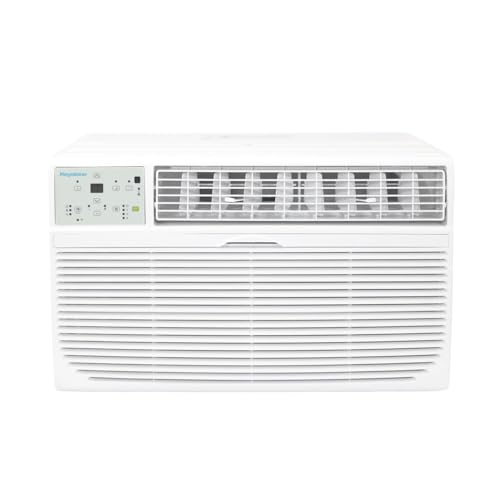
Type: Wall-mounted air conditioner with 14,000 BTU cooling. Best for bedrooms, offices, or medium rooms up to 700 sq ft. Features multiple cooling modes, fan speeds, and a built-in dehumidifier as part of the package.
Who it’s best for: spaces where a reliable wall-mounted option is preferred for constant airflow and quick installation. It’s a balanced choice for mid-sized rooms and offers strong dehumidification capabilities.
Limitations: Ensure proper sleeve compatibility and professional installation to maximize efficiency and avoid air leaks around the unit.
Frigidaire 12,000 BTU Wall AC With Dehumidifier
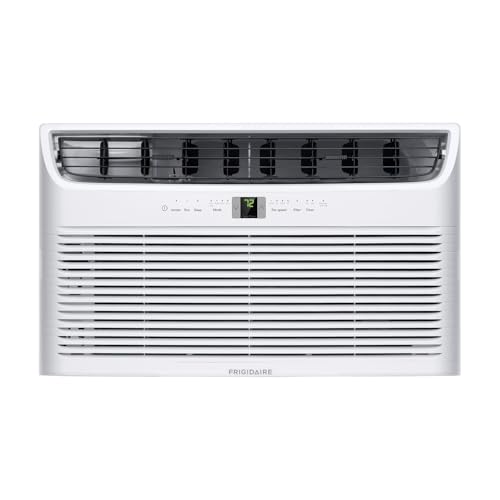
Type: Wall-mounted air conditioner with 12,000 BTU cooling and built-in dehumidifier. Best for mid-sized rooms up to 550 sq ft, plus remote control for convenient operation from the couch. Includes ionizer features for air quality improvements.
Who it’s best for: users prioritizing quiet operation, built-in air quality features, and remote control convenience for living rooms or bedrooms.
Limitations: Ionizer and dehumidifier features add value, but check for any sensitivity to specific allergens or personal preferences in air-cleaning features.
Buying Guide: In-Wall And Through-The-Wall HVAC Considerations
- Room size and BTU needs: Match cooling capacity to space. Underpowered units struggle in hot weather; oversized units can cycle too quickly, leaving humidity and comfort issues.
- Installation type: PTACs combine cooling and heating in one enclosure, ideal for hotels or studios. Through-the-wall and wall units fit differingly sized sleeves; ensure sleeve compatibility and exterior clearance.
- Heating options: Supplemental heating helps cooler seasons but may not replace a primary heat source in very cold climates. Consider climate and usage when choosing a unit with a built-in heater.
- Electrical requirements: Verify voltage and plug type (often 230/208V or 115V) and the availability of a dedicated circuit. A reset breaker may be required for safety.
- Ventilation and airflow: Look for adjustable louvers and multiple fan speeds to customize airflow. Proper placement improves comfort and efficiency.
- Sleeve and grille: New installations may require a wall sleeve and exterior grille not included in many listings. Budget extra for installation components if needed.
- Maintenance and parts availability: Check for readily available replacement parts and service options in your region to minimize downtime.
FAQ
- What is the difference between PTAC and through-the-wall units? PTACs integrate cooling and heating in a single cabinet for year-round use, often with a built-in heater, while through-the-wall units primarily cool and sometimes provide supplemental heat.
- Can I install these without professional help? Some installations require a tailored sleeve, exterior grille, and electrical work. Check manufacturer guidelines and local codes; consider professional installation for safety and performance.
- Is supplemental heat enough for cold climates? Supplemental heat can help, but it may not replace a primary heat source in freezing conditions. Assess your climate and heating needs.
- Will these fit in my sleeve? Sleeve compatibility varies by model. Measure sleeve width and height and compare with unit specifications to ensure a proper fit.
- Do these units require a dedicated circuit? Many models require a 20A circuit or higher. Confirm electrical requirements before purchasing to prevent circuit overloads.
- Do these units dehumidify? Several models include dehumidification modes, which can improve comfort in humid environments.