Best Antifreeze for Boiler System: Top Heating Fluid Solutions
Choosing the right antifreeze for a boiler system helps prevent freezing, reduces corrosion, and maintains efficient heat transfer. This guide reviews five leading options with different formulations and use cases—from RV hydronic setups to residential wood boiler circles. Each product is evaluated for compatibility, protection range, and maintenance notes to support informed selection for American heating needs.
| Product | Brand | Type | Key Benefit | Intended Use |
|---|---|---|---|---|
| STAR BRITE Premium -100° Boiler System Antifreeze | STAR BRITE | Propylene Glycol Antifreeze | Full-strength protection to -100°F | Aqua-Hot, Hydro-Hot, general boiler use |
| ChemWorld Boiler Antifreeze Concentrate | ChemWorld | Propylene Glycol Concentrate | 95% PG with corrosion inhibitors | RV, hydronic systems, heating loops |
| Century Heat Transfer Fluid | Century Chemical | Propylene Glycol Based | Non-toxic, ready-to-use, high boiling point | RV heating, solar, hydronic, campers |
| ChemWorld Boiler Rust Inhibitor | ChemWorld | Rust Inhibitor Additive | Stops boiler corrosion | Wood boilers, outdoor systems |
| RecPro RV Boiler Antifreeze | RecPro | Propylene Glycol Based | Non-toxic, high boiling point, anti-freeze | RV Aqua-Hot, hydronic, solar |
The following sections highlight five selected products, offering practical details to help consumers compare heat transfer quality, toxicity, and system safety. Each product includes a direct link to the Amazon listing for quick reference.
STAR BRITE Premium -100° Boiler System Antifreeze

STAR BRITE’s Premium antifreeze is designed for high-heat transfer systems and offers burst protection down to -100°F at full strength. It contains premium corrosion inhibitors to protect internal boiler components, aligning with Aqua-Hot and Hydro-Hot installations. The formulation supports reliable operation in cold climates and reduces the risk of freezing during extreme winter conditions. Consider this option if you operate full-strength, high-temperature hydronic loops that demand robust protection and strong inhibitor packages.
ChemWorld Boiler Antifreeze Concentrate
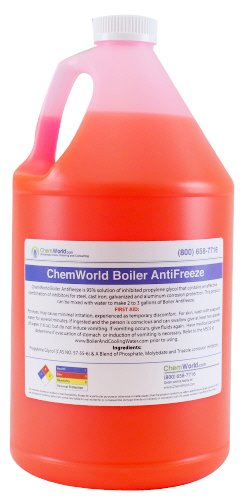
ChemWorld offers a 95% concentrated propylene glycol solution with a 5% corrosion inhibitor. This concentrate is designed for dilution to practical levels (30% to 50%) to achieve desired freeze protection. Its versatility makes it suitable for various heating circuits, and the included inhibitors help manage corrosion. It’s a good choice for users who prefer to tailor concentrations to specific climate conditions and system configurations while maintaining reliable protection.
Century Heat Transfer Fluid, Non-Corrosive

Century’s ready-to-use propylene glycol antifreeze emphasizes non-toxicity and environmental safety. It is designed for RV heating systems, solar and HVAC units, and many hydronic setups. The product is noted for a high boiling point, aiding stable heat transfer and reducing the risk of overheating. This option suits portable or trailer-based systems where environmental concerns and ease of use are priorities.
ChemWorld Boiler Rust Inhibitor

This rust inhibitor is designed to prevent corrosion in fresh-water boilers and is compatible with both propylene glycol and ethylene glycol-based systems. It is intended for outdoor wood boilers and similar installations where metals in contact with the fluid can suffer corrosion buildup. Use this additive to extend system life and minimize maintenance related to rust and scale formation.
RecPro RV Boiler Antifreeze (Non-Toxic)

RecPro’s Propylene Glycol-based antifreeze is non-toxic and designed for RV Aqua Hot and hydronic systems, including solar and hydronic heating loops. It provides protection against freezing and maintains a high boiling point for stable operation. This option is well-suited for mobile or compact installations where safety and ease of handling are prioritized.
RecPro RV Boiler Antifreeze (2)
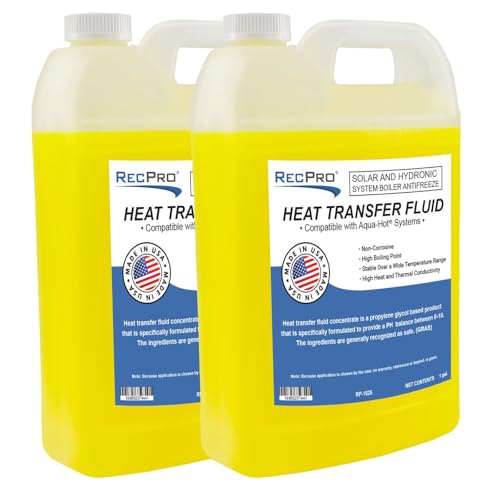
This RecPro variant reinforces propylene glycol chemistry for non-corrosive performance and effective freeze protection, compatible with Aqua Hot and related RV systems. It complements other non-toxic formulations, offering a reliable option for homeowners seeking redundancy in their boiler antifreeze strategy while preserving safe handling standards.
RecPro RV Boiler Antifreeze (1)

The single-unit RecPro antifreeze provides propylene glycol-based, non-corrosive protection with a focus on freezing safeguards and a high boiling point. It is suitable for RV heating circuits, solar integrations, and hydronic applications where toxicity and environmental impact are considerations for fleet or family use.
Buying Guide: Key Purchase Considerations For Boiler Antifreeze
- System compatibility: Verify whether your boiler loop uses propylene glycol or ethylene glycol, and confirm compatibility with existing corrosion inhibitors or rust inhibitors.
- Protection range: Consider the minimum operating temperature of your climate and select an antifreeze with sufficient freeze protection to prevent damage in cold months.
- Toxicity and safety: For enclosed living spaces or RVs, prioritize non-toxic formulations to minimize risk in case of leaks or spills.
- Heat transfer performance: Some products emphasize high boiling points or superior heat transfer. Choose based on your system’s thermal demands and efficiency goals.
- Inhibitor package: Inhibitors (phosphates, silicates, or proprietary blends) help prevent corrosion and scaling. Ensure the product includes adequate protection for your metals and materials.
- Concentration and dilution: Concentrates allow customization but require precise mixing. Ready-to-use fluids offer simplicity but may grow in cost per gallon.
- Environmental and safety data: Look for GRAS or non-toxic claims where applicable, especially in RV and camper use.
- Maintenance and compatibility with additives: If you already use rust inhibitors, verify that new antifreeze mixes do not conflict with existing chemistry.
- System type and application: Distinguish between residential hydronic loops, RV heating circuits, wood boiler systems, and solar/heating hybrids to pick the most suitable product.
- Manufacturer guidance: Follow the boiler manufacturer’s recommendations for antifreeze type, maximum dilution, and service intervals to maintain warranty coverage.