Best Wireless Thermostats for AC: Smart Ways to Save Energy and Stay Comfortable
Discover top wireless thermostats that work seamlessly with air conditioning systems, delivering easier control, energy savings, and smarter home integration. This guide highlights five leading options, comparing install ease, privacy features, and compatibility with popular voice assistants. Each product is chosen for American households seeking reliable Wi‑Fi connectivity, remote access, and energy‑saving modes without sacrificing comfort.
Summary of chosen products:
- Amazon Smart Thermostat – Easy smart upgrade; works with Alexa and Ring; C-wire required
- Sensi Smart Thermostat (ST55) – Privacy-focused, DIY install, Energy Star certified
- Sensi Lite Smart Thermostat (ST25) – Budget-friendly, easy setup, broad compatibility
- meross Smart Thermostat – Matter-compatible, supports Alexa/Apple Home/Google
- Google Nest Thermostat – Flexible, energy-saving features; compatible with multiple systems
Amazon Smart Thermostat For Alexa And Ring

The Amazon Smart Thermostat represents a straightforward upgrade from a traditional unit. It supports energy-saving routines that can be triggered by presence detection and temperature readings, especially when paired with Echo devices or the Amazon Smart Air Quality Monitor. The device is designed to help households reduce energy use by adjusting cooling and heating based on occupancy and readings from connected sensors. After installation, customers may receive rebate information from local energy providers to further reduce costs.
Key features include: an easy smart upgrade path, compatibility with Alexa and Ring, and energy-use rebates where available. The thermostat is suitable for homes with standard HVAC setups, and its integration with smart home ecosystems can centralize climate control across rooms and devices. Ensure a C-wire is present if required by your system.
Sensi Smart Thermostat ST55
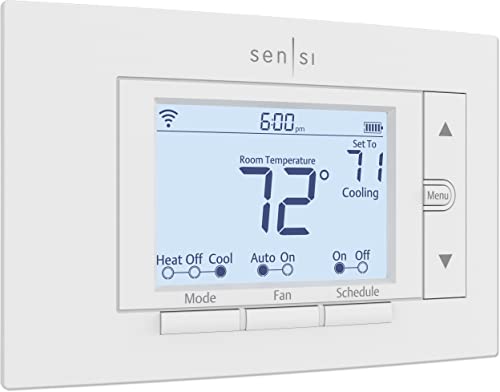
The Sensi ST55 emphasizes privacy protection and easy, do-it-yourself installation. It supports Wi-Fi connectivity and is compatible with many HVAC systems, often not requiring a common wire (c-wire) for standard setups. ENERGY STAR certified, it offers flexible scheduling, remote access, and usage reports, helping households reduce overall HVAC energy consumption while maintaining comfort. The device is designed for straightforward setups and reliable performance in typical home environments.
Relevant considerations include data privacy commitments, installation simplicity, and potential energy savings (approximate reductions depend on usage patterns). For homes with limited wiring, this model often provides a practical balance between feature set and install effort. Confirm your system’s compatibility with the on-screen guidance before purchasing.
Sensi Lite Smart Thermostat ST25

The Sensi Lite model prioritizes ease of use and broad compatibility with common HVAC systems. It is designed for simple DIY installation with a built-in level and guided setup. While it is energy-efficient and ENERGY STAR certified, its C-wire requirements vary by system. It’s suitable for typical homes seeking essential smart features like remote access and scheduling without advanced integration demands.
Key considerations include compatibility with heat pumps and heat/cool configurations, as well as whether your current wiring supports a C-wire for optimal operation. This model is a practical pick for budget-conscious buyers who still want reliable smart thermostat functionality.
Meross Smart Thermostat With Matter Support
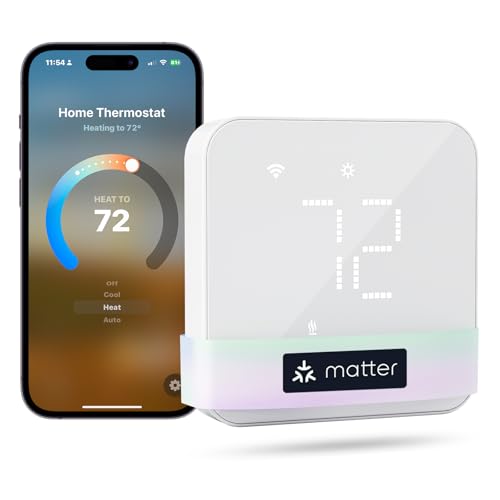
The meross thermostat supports Matter, along with Alexa, Apple Home, and Google Assistant, making it a versatile choice for multi-platform homes. It requires a C-wire for proper operation, which is common for many smart thermostats. The product emphasizes compatibility with a wide range of HVAC setups while offering 2.4GHz Wi‑Fi connectivity and a scheduling interface for around-the-clock control.
Considerations include compatibility checks before purchase and access to support if questions arise. The 7×24 scheduling capability enables precise control over heating and cooling, potentially delivering energy savings through tailored schedules that match daily routines and occupancy patterns.
Google Nest Thermostat

Google Nest Thermostat emphasizes energy savings through adaptive schedules and voice-controlled operations via Google Assistant. It is designed to work without a C-wire in many homes, but some systems may require one or a power accessory. The Nest platform focuses on learning user patterns to optimize comfort while reducing energy waste, and it supports easy scheduling through the Google Home app. This model is suitable for households seeking a seamless Google ecosystem experience.
Important considerations include system compatibility checks, potential need for a C-wire in certain configurations, and how Nest’s learning features align with your daily routine. Nest also offers remote access, making it convenient for on-the-go adjustments and energy monitoring.
Buying Guide: Key Purchase Considerations And Comparisons
- Compatibility: Confirm that the thermostat supports your HVAC setup (single-stage, heat pump, cooling-only, or multi-stage). Check whether a C-wire is required and if your system can accommodate it.
- Connectivity and Ecosystem: Choose a model that aligns with your preferred smart-home ecosystem (Alexa, Google Assistant, Apple HomeKit, or Matter). Consider whether you want voice control, app-based scheduling, or presence-based automation.
- Energy Savings Features: Look for programmable schedules, geofencing, remote access, usage reports, and integration with energy rebates. ENERGY STAR certification is a good indicator of efficiency.
- Installation: DIY installation is common for many models, but some households may prefer professional setup. Built-in levels and straightforward guides help reduce installation errors.
- Privacy And Data Management: Review data-privacy commitments and how your data is used or shared. Some brands emphasize privacy protection and do not sell personal information.
- User Experience: Consider touchscreen interfaces, alerting features, and how intuitive the app is for remote control and monitoring.
- Reliability And Support: Look for reputable brands with responsive customer support and clear compatibility information for various HVAC configurations.
- Price vs. Features: Balance your budget with essential features like remote access, energy reports, and compatibility with your existing devices. Higher price does not always equate to proportionally more value.
- Future-Proofing: Favor thermostats that receive regular software updates and support for emerging standards like Matter, ensuring longer usable life.
Overall, selecting a wireless thermostat for an air conditioner involves weighing installation convenience, ecosystem fit, energy-saving potential, and long-term support. Each option above offers a distinct blend of features, privacy considerations, and integration capabilities to suit different American homes and usage patterns.