Best RV Water Heaters for Reliable Onboard Hot Water
When choosing water heaters for an RV, the goal is reliable hot water on demand with safe operation and easy installation. This guide highlights five well-suited options for different RV lifestyles, from weekend campers to full-timers needing steady showers and dishwashing water. The top picks cover tankless propane on-demand units, compact electric under-sink heaters, and high-capacity tank models. Each product is described with who it’s best for, why it stands out, and one practical caveat to consider. A quick comparison table follows to help you decide at a glance.
| Product | Type | Best For | Notes |
|---|---|---|---|
| ORBEK RV Tankless Water Heater | Tankless, Propane | RV families and frequent campers needing endless hot water | High-altitude ready; door panels available; check cutout size |
| Suburban SW6D 6-Gallon RV Water Heater | Tank, DSI | Budget-conscious campers who want reliability and optional electric heat | Replaceable anode; corrosion protection |
| APUS RV Tankless Water Heater | Tankless, Propane | Large households in RVs needing fast hot water | High altitude ready; remote included |
| FOGATTI InstaShower 8 Plus | Tankless, Propane | Retrofits and replacements with multiple door sizes | High-altitude mode; strong heating power |
| VEVOR RV Tankless Water Heater (65k BTU) | Tankless, Propane | Families who want speedy hot water and year-round use | LED display; seasonal adjustment |
ORBEK RV Tankless Water Heater, Propane, 12V DC
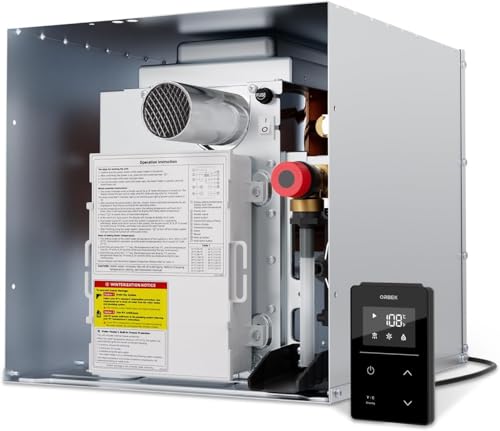
The ORBEK unit provides continuous on-demand hot water with a 60,000 BTU propane burner. It activates only when hot water is requested, helping conserve propane while supplying showers, dishwashing, and handwashing without storing heated water. It features oxygen-free copper heat exchangers and a brushless DC fan, and it’s designed to operate at high altitudes, including areas around 9,800 feet. Best for: RV families or full-timers who value constant hot water and altitude resilience. Caution: verify slide‑out or cabinet cutouts (15″ × 15″ to 18″ × 18″ openings) before purchase, and confirm your existing cutout size for installation compatibility.
Suburban SW6D 6-Gallon RV Water Heater
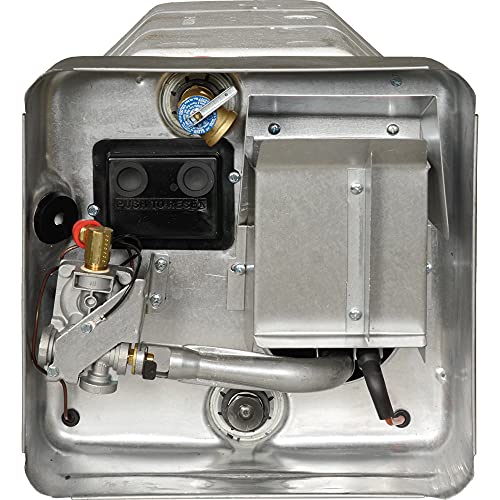
This 6-gallon tank water heater emphasizes durability with a porcelain-lined steel tank and a replaceable anode rod for corrosion protection. It offers flexible power options, including an electric element for use at campsites or with a generator. Best for: RVers who prefer a traditional tank heater with good longevity and maintenance options. Caution: tank-based systems can be less space-efficient than tankless models in smaller RVs.
APUS RV Tankless Water Heater, 68,000 BTU

APUS delivers 68,000 BTU with a 3.9 GPM flow rate, providing rapid hot water for long showers, kitchen cleaning, and daily use. It’s compact, designed for RV installation, and includes a remote for easy control. Best for: larger RV families or frequent travelers who need reliable on-demand hot water without waiting. Caution: installation requires a 12V DC power connection and standard NPT fittings; verify space and venting compatibility in your model year and door opening sizes.
FOGATTI InstaShower 8 Plus RV Tankless

The InstaShower 8 Plus features multiple door size options (15″×15″, 15″×18″, 18″×18″) to fit a variety of RV retrofits. With 55,000 BTU, it can deliver up to about 2.9 GPM and includes high-altitude readiness for up to 9,800 feet. Best for: retrofits where door size compatibility matters and for users who want a robust, quick-heating system. Limitation: some installations may require advanced retrofit work to align with existing doors or cabinetry.
VEVOR RV Tankless Water Heater, 65k BTU

VEVOR’s 65,000 BTU tankless unit delivers rapid heating with a clear LED display and touch controls. It uses segmented combustion to adapt to seasonal changes, delivering year-round hot water while aiming to conserve energy. Best for: families needing a balance of fast heating, adjustable control, and year-round performance. Caution: ensure robust outdoor venting and electrical readiness for safe operation in varied climates.
Buying Guide: Key Considerations
- On-demand vs. tank: Tankless heaters save space and provide continuous hot water, while tank models are simpler and often cheaper upfront.
- Power source and installation: Propane is common for RVs; some models offer electric elements. Confirm wiring, venting, and space in your RV before purchase.
- Altitude performance: If you travel to high elevations, choose a model with high-altitude readiness or staged combustion to maintain stable temperatures.
- Door and opening compatibility: Some models require specific door sizes. Check your RV’s door and cabinet openings to ensure a proper retrofit.
- Maintenance needs: Tank heaters need anode rods and periodic flushing; tankless units have fewer moving parts but require clean venting and proper venting clearance.
- control interfaces: LED displays and remote controllers simplify operation, especially for family use or multi-user campsites.
Which One Should You Choose?
- Best for constant hot-water demand: ORBEK RV Tankless Water Heater—high-altitude reliability and continuous heat with efficient propane use.
- Best value and maintenance-friendly: Suburban SW6D 6-Gallon RV Water Heater—a durable tank option with replaceable anode rod.
- Best for large families needing fast hot water: APUS RV Tankless Water Heater—high BTU output and remote control.
- Best for retrofit flexibility: FOGATTI InstaShower 8 Plus—multiple door size options and strong performance.
- Best all-around performance: VEVOR 65k BTU Tankless—robust heating, seasonal adjustment, and clear controls.
FAQ
- How do RV tankless water heaters differ from tank heaters?
– Tankless units heat water on demand without storing hot water, saving space and reducing standby heat; tank heaters store preheated water but require less complex installation in some RVs. - What should I check before buying for my RV?
– Check door openings, installation space, power requirements, venting, and altitude considerations to ensure compatibility and safe operation. - Are these heaters safe for high-altitude RV trips?
– Yes, several models advertise high-altitude readiness; verify the specific model’s altitude rating and required adjustments for your route. - Is it better to choose propane or electric for RV water heating?
– Propane offers mobility and independence, especially in off-grid campsites; electric options depend on generator or shore power availability and campground electricity. - Do I need professional installation?
– Installation complexity varies by model and RV configuration; consult a qualified RV technician if you’re unsure about fittings, venting, or clearance requirements.