Best Water Heaters for Van Life: Compact Under-Sink Mini-Tanks for RVs
Find the right compact water heater for a van, RV, or tiny living space. This guide focuses on small, point‑of‑use models that deliver hot water where you need it most. Best for vehicle owners who want quick hot water at the sink, minimal install space, and easy maintenance. The top picks below cover a range of tank sizes and installation options to fit under sinks, in cabinets, or along compact setups.
Summary table of chosen products:
| Product | Tank Size | Best For | |
|---|---|---|---|
| BOSCH Electric Mini-Tank Tronic ES4 | 4 Gallon | Under-sink use in small vans | High thermal efficiency; independent 120V install |
| BOSCH Electric Mini-Tank Tronic ES2.5 | 2.5 Gallon | Very tight spaces | Compact size with quick hot water |
| Feelrogast Electric Tank Water Heater | 8 Gallon | Higher hot water demand | Durable stainless tank and multiple protections |
| YONOOQ 2.5 Gallon Mini Tank | 2.5 Gallon | Budget-friendly, versatile use | High efficiency and digital display |
| BOSCH 7-Gallon ES8 Mini-Tank | 7 Gallon | Expanded hot water at the sink | Vertical or horizontal mounting option |
BOSCH Electric Mini-Tank Water Heater Tronic 3000 T 4-Gallon (ES4)
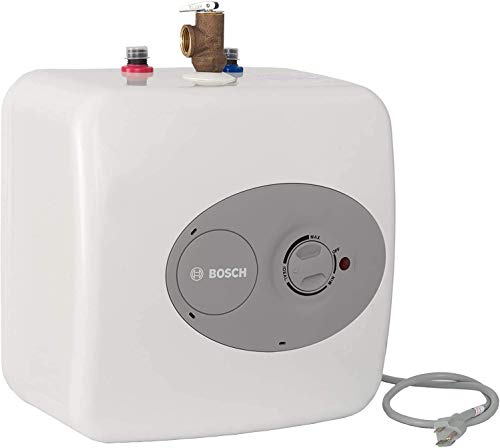
Best for tight under-sink spaces where a ready supply of hot water minimizes wait time. This 4-gallon unit is easy to install independently on a 120V circuit and fits common under-sink configurations.
Who it’s for: van owners needing a compact, reliable hot-water source near the sink with straightforward 120V wiring. Why selected: high thermal efficiency (98%), simple shelf, wall, or floor mounting options, and durable glass-lined construction for long service life.
Caution: It requires a dedicated 120V outlet; plan cord length and outlet placement accordingly.
BOSCH Electric Mini-Tank Water Heater Tronic 3000 T 2.5-Gallon (ES2.5)
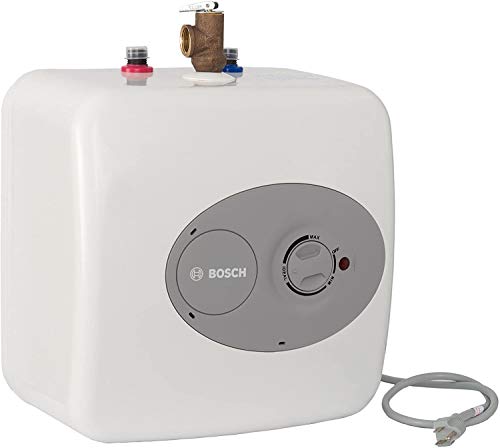
Best for ultra-compact spaces where hot water is needed at the sink but room is at a premium. The ES2.5 shares the same 98% thermal efficiency and 120V plug-in design as its larger sibling.
Who it’s for: van dwellers prioritizing minimal footprint with reliable on-demand hot water. Why selected: very small footprint, independent installation, and durable glass-lined interior.
Caution: 2.5 gallons may run low for higher-demand applications; plan for usage patterns accordingly.
Feelrogast Electric Tank Water Heater — 8 Gallon

Choose this when more hot water per use is needed in a van or camper. It is a wall- or floor-mounted 8-gallon unit with robust safety and efficiency features.
Best for: larger van setups or when multiple outlets require hot water in a single location. Why selected: 99% heat utilization with a 316 stainless steel heating element and multiple safety protections.
Caution: Larger footprint than compact under-sink models; ensure cabinet or space clearance before install.
2.5 Gallon Mini Tank Electric Water Heater — YONOOQ

Best for cost-conscious van owners who need dependable on-demand hot water without a large system. This model heats quickly and provides a clear digital display for temperature monitoring.
Who it’s for: users seeking a balance of price, efficiency, and compact size. Why selected: 2.5 gallons suits many daily tasks, with features like adjustable thermostat and built-in protection.
Caution: While versatile, the smaller tank may require more frequent reheating for high water usage.
Bosch Electric Mini-Tank Water Heater Tronic 3000 T 7-Gallon (ES8)
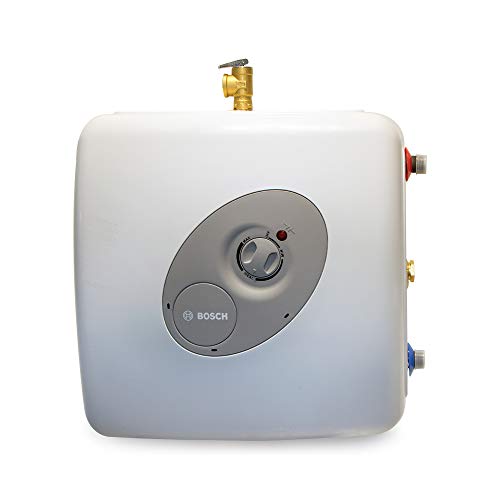
Best for van setups that can accommodate a larger tank and need more steady hot-water capacity at the sink. This model supports vertical or horizontal mounting to fit varied layouts.
Who it’s for: van owners wanting more hot-water reserve without stepping up to a full-size heater. Why selected: 7-gallon capacity with high efficiency and flexible mounting options.
Caution: Heavier unit; ensure structural support and appropriate connections for installation orientation.
Buying Guide: Key Considerations For Van Water Heaters
- Size and footprint: Measure cabinet depth and under-sink space to choose a tank that fits without obstructing other systems.
- Hot-water demand: Estimate daily tasks (kitchen, bath, RV shower) to pick a tank size that meets peak needs without oversizing.
- Electrical supply: Most under-sink models run on 120V. Confirm available circuit capacity and cord length before purchase.
- Mounting orientation: Some units support vertical or horizontal mounting. Select based on available wall or cabinet space.
- Insulation and efficiency: Look for high thermal efficiency and durable tank materials to minimize standby heat loss and energy use.
- Safety features: Temperature limits, pressure relief valves, and leak protection are important for portable or mobile installations.
- Installation considerations: Consider proximity to other plumbing and whether inline connections or adapters are needed for your hoses and fittings.
- Maintenance needs: Access for draining, flushing, and replacing an element affects long-term reliability in mobile environments.
Frequently Asked Questions
- What size water heater is best for a van? – A 2.5 to 4 gallon tank is ideal for most van setups, providing quick hot water without occupying excessive space.
- Can I install these heaters myself in a van? – Many are designed for independent installation on 120V circuits, but follow the manufacturer’s instructions and local vehicle electrical codes.
- Do these units work with RV plumbing? – Yes, many models use standard 1/2″ NPT fittings suitable for RV and van plumbing, but verify compatibility with your hoses and valves.
- Is 7 gallons too large for a van? – It depends on available space and water demand. A 7-gallon tank offers more supply but requires more mounting room and power.
- How do I protect against leaks in a mobile setup? – Choose a model with a pressure relief valve and leak protection, and keep the area dry and well ventilated to prevent corrosion.
- What is the expected energy use for a van water heater? – Energy use depends on tank size, temperature setting, and usage pattern; compact units are designed to minimize standby losses with good insulation.