Best Smart Thermostats for Electric Baseboard Heaters: Efficient Climate Control
Answering the common buyer need: these smart thermostats are designed to control high-voltage electric baseboard heaters, helping you save energy while maintaining comfort. They’re best for homeowners with 120V–240V baseboard or convector systems seeking remote access, scheduling, and voice control. The top picks below suit different setups—from modern home automation fans to straightforward programmable models. Use the quick comparison table to narrow your choice, then dive into each option to see who it’s best for and why.
| Product | Best For | Key Benefit |
|---|---|---|
| Mysa Smart Thermostat LITE | WiFi-enabled, no-hub setup | Flexible 7-day scheduling |
| Mysa 240V Smart Thermostat | High-volt baseboards with four-wire needs | 4-wire compatibility and remote control |
| Meross Matter Smart Thermostat | Amazon Alexa, Google, HomeKit ecosystems | Matter compatibility and universal controls |
| Meross 4-Wire Electric Baseboard Thermostat | High-voltage systems with multi-platform control | Easy install with four wires required |
| Honeywell Home RLV4305A1000 | Simple programmable for baseboards | 5-2 day programming and precise control |
Mysa Smart Thermostat LITE for Electric Baseboard Heaters
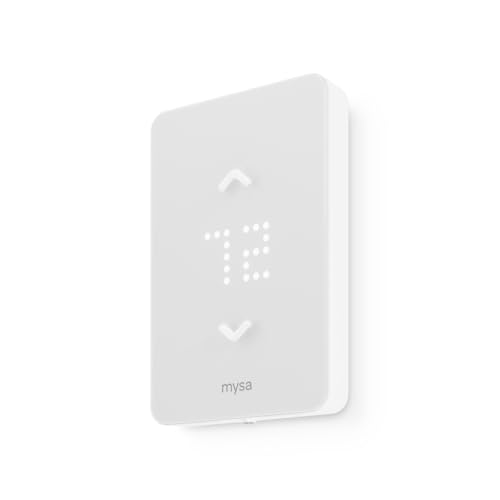
This model is ideal for users with 120V–240V baseboard heaters who want WiFi control without a hub. It supports 7-day scheduling and works with Apple HomeKit, Alexa, and Google Assistant. It helps reduce energy use by allowing custom weekday and weekend programs, plus remote adjustments from your phone.
Best for: tech-savvy renters or homeowners who want cloud connectivity and voice assistant integration. Limitations: requires a stable WiFi connection; some advanced features require the companion app.
Mysa Smart Thermostat for Electric Baseboard Heaters 240V

This variant targets higher-volt installations and explicitly notes compatibility with 120V or 240V loads, up to substantial wattage, with a four-wire setup. It focuses on remote control via the Mysa app and supports HomeKit, Alexa, and Google. It’s best for users upgrading older, four-wire systems seeking reliable, app-based scheduling and alerts.
Best for: users with 240V baseboards who want explicit 4-wire support and broad voice ecosystem integration. Caution: verify your wiring and neutral/second live wire availability before purchase.
Meross Matter Smart Thermostat for Electric Baseboard Heater
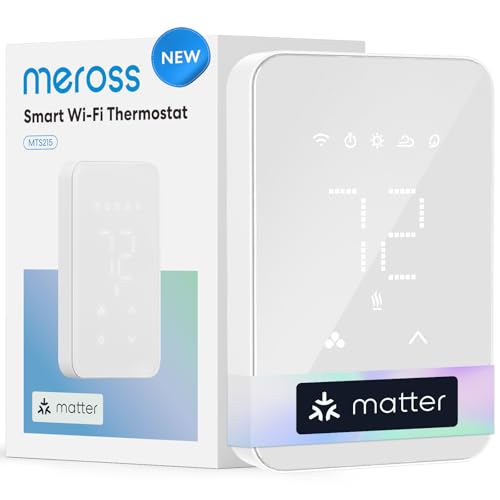
This Meross model emphasizes Matter compatibility, working with Alexa, Apple Home, Google Home, and SmartThings. It’s designed for high-line voltage (120–240 VAC) electric heating systems like baseboard heaters or fan-forced heaters. Scheduling and remote control aim to cut energy costs while keeping operation simple through voice commands and the Meross app.
Best for: households committed to an ecosystem-agnostic smart home and Matter standard. Caution: verify that your wiring meets the 4-wire or equivalent requirement for proper operation.
Meross Smart Thermostat for Electric Baseboard And In-Wall Heaters

Designed for high-voltage systems, this Meross option supports 120V–240V installations and requires at least four wires, including neutral or an additional live wire. It supports voice control via Siri, Alexa, and Google, plus app control. It’s best for installations where in-wall heaters or baseboards share a common control point.
Best for: users needing robust multi-platform compatibility and spoken commands. Limitation: installation requires at least four wires and careful wiring checking to ensure compatibility with older bases.
Honeywell Home RLV4305A1000 5-2 Day Programmable Thermostat

This model offers traditional programmable scheduling without WiFi. It’s a good pick for users who want dependable, offline control with a physical interface. It supports electric baseboards and convectors with accurate switching for steady comfort and reduced temperature swings.
Best for: buyers who prefer a straightforward, non-connected thermostat for baseboard systems. Caution: lacks remote access and smart features found in WiFi-enabled options.
Buying Guide: Key Purchase Considerations
What matters most when selecting an electric baseboard thermostat? Consider compatibility with your system voltage (120V vs 240V), wiring requirements (four wires and a neutral might be needed), and whether you want WiFi control, voice integration, or simple programming. Easy installation can save time, while a broad ecosystem reach ensures future-proofing if you plan to expand your smart home.
Do you need WiFi or a hub?
For remote control, scheduling, and energy insights, opt for a WiFi-enabled model like Mysa or Meross. If you prefer offline reliability, choose a non-smart model with precise temperature control.
How many wires does your system require?
High-voltage baseboards typically require four wires, including a neutral or a second live wire. Verify your current wiring before selecting a thermostat to avoid compatibility issues.
Which ecosystems matter to you?
If you use Apple HomeKit, consider models explicitly supporting HomeKit. If you use Alexa or Google, ensure the thermostat offers voice control and routine automation in that ecosystem.
Energy savings vs. comfort
Look for models offering robust scheduling (7-day or multi-day) and adaptive display features to reduce energy use while preserving comfort. Some units provide energy-saving alerts or rebates through energy providers; consider these if rebates are important to your plan.
Installation considerations
Some Meross models require four wires and a careful wiring check. If your installation is older or uses nonstandard wiring, consult a professional or select a model with clear installation guidance and sufficient wiring requirements.
FAQ
- Are smart thermostats suitable for electric baseboard heaters? Yes. They are designed for high-voltage electric systems and offer scheduling, remote control, and voice integration where supported.
- Do I need a hub for these thermostats? Some models work directly over WiFi without a hub, while others may require a hub depending on your ecosystem. Check product specifications.
- Can I use these with 240V baseboard systems? Several options support 240V loads, but confirm load limits (watts) and wire requirements before purchasing.
- Will these reduce heating costs? With proper scheduling and automatic temperature adjustments, these thermostats can help reduce energy use. Actual savings depend on usage patterns and your home’s insulation.
- What should I check before installation? Verify voltage, the number of wires, and compatibility with your current baseboard system. If in doubt, consult a professional.
- Do these thermostats support voice assistants? Several models support Apple HomeKit, Amazon Alexa, and Google Assistant, enabling hands-free control.