Best Small Electric Cooling Fans for Personal Comfort and Small Spaces
Looking for compact, energy-efficient cooling that fits desks, nightstands, or dorm rooms? These small electric cooling fans provide targeted airflow, quiet operation, and easy portability. Each option suits different buyers—from students needing a quiet desk companion to tech enthusiasts seeking PC-friendly cooling. Below are five top picks with clear reasons to choose each, plus practical buying tips to help you compare.
Summary of Selected Products
- KopBeau Personal Tower Cooling Fan — Best for all-around room use and versatile placement.
- Gaiatop 5-Inch Desk Fan — Best for compact desks or nightstands with easy cleaning.
- Easy Cloud 120mm Computer Fan — Best for PC or device cooling with adjustable speed.
- Wathai 80mm EC Axial Fan — Best for low-power, long-life cooling projects.
- Gaiatop USB 5.5-Inch Desk Fan — Best for ultra-portable travel and quiet workspaces.
KopBeau Personal Tower Cooling Fan

The KopBeau tower fan delivers rapid airflow with three speeds and oscillation options for flexible cooling. It offers 60° focused airflow for personal use and 110° full-room circulation for larger spaces. An ultra-quiet design helps maintain restful sleep and productive work environments. A built-in 12-hour timer supports energy savings and customized cooling sessions. Best for bedrooms, home offices, and dorm rooms where flexible direction and silent operation matter.
- Best for: Personal cooling at a desk or bedside, small to medium rooms.
- Why selected: Combines adjustable oscillation with multiple speed settings and a timer for efficiency.
- Caution: If you need very low noise at the lowest setting, verify its sound level in your specific space.
Gaiatop 5-Inch Desk Fan

Designed as a compact air circulator, this 5-inch desktop fan combines a deep-pitched blade and aerodynamic form to push strong airflow. It’s portable, with a detachable front cover for easy blade cleaning and a 360° tilt for directing airflow precisely where needed. Suitable for kitchens, bedrooms, offices, and dorm rooms. Best for: small desks or tables where space is at a premium and easy maintenance is important.
- Best for: Quick, focused cooling in tight spaces.
- Why selected: Small footprint with full-range tilt and simple cleaning.
- Caution: Limited height reach means it may not cool a larger area efficiently.
Easy Cloud 120mm Computer Fan

This 120mm axial fan is geared toward PC and electronics cooling. It offers adjustable speed via a 3V–12V multi-speed controller and runs on AC power. Dual-ball bearings promise a long lifespan, making it suitable for sustaining reliable cooling for PCs, servers, or other devices. Best for: Tech setups requiring configurable cooling without larger fans.
- Best for: Computer cabinets, game consoles, or AV equipment cooling.
- Why selected: Flexible speed control and robust bearing design for continuous use.
- Caution: Prolonged high-speed operation can increase energy use and noise in sensitive spaces.
Wathai 80mm EC Axial Fan
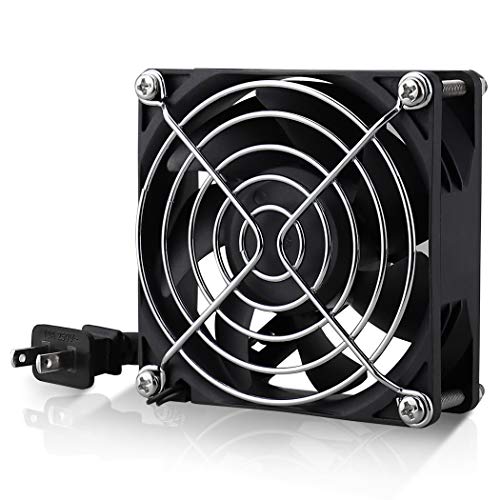
The Wathai EC axial fan is a compact, energy-efficient option for projects needing quiet cooling. Its 80mm size makes it suitable as a replacement fan for various devices or for small ventilation tasks. It supports upright or flat positioning thanks to durable dual-ball bearings and long life. Best for: DIY cooling projects or replacing small fans in electronics or cabinets.
- Best for: Low-power cooling and long-term reliability.
- Why selected: Efficient EC design with long bearing life.
- Caution: Visibility of performance depends on installation orientation and ducting.
Gaiatop USB Desk Fan
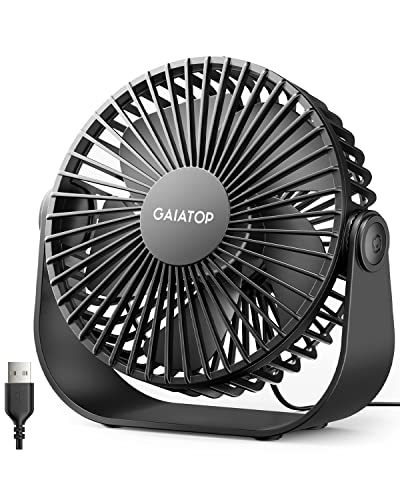
This USB-powered desk fan provides three speeds and a compact footprint for travel or small workspaces. It rotates 90° for flexible directing of airflow and emphasizes quiet operation with a powerful yet low-noise motor. Best for: Portable cooling at desks, laptops, or in transit.
- Best for: Travel, dorm rooms, or compact offices.
- Why selected: USB power makes it convenient for many devices and spaces.
- Caution: USB-powered devices may be limited by available port power and length of cord.
Buying Guide: Key Considerations For Small Electric Cooling Fans
- Purpose and space: Choose a fan with the right size, oscillation, and reach for your room or desk. If you need room-wide cooling, opt for models with wider oscillation; for personal cooling, a compact tower or desk model may be ideal.
- Power source: USB-powered fans are convenient for desks and laptops. AC-powered fans are more common for longer use at home. Battery-powered options are rare in larger sizes.
- Noise level: Look for fans advertised as quiet or with low dB ratings. If you work or study in a quiet setting, prioritize low-noise modes.
- Adjustability: Tilt, height, and directional airflow help tailor cooling to your space. Consider 360° tilting or multiple speed settings for flexibility.
- Durability and maintenance: Removable grilles or easy blade cleaning help keep airflow clean and efficient. Bearings quality (ball bearings vs sleeve) affects lifespan and noise.
- Safety features: Look for stable bases or anti-tip designs, especially for desks and bedside use. Secure power cords to prevent accidents.
Frequently Asked Questions
- What size is best for a desk? A compact 4–6 inch to 5–6 inch desktop fan with 2–3 speeds typically fits most desks and offers quiet operation.
- Are USB fans powerful enough? USB desk fans are suitable for personal cooling. For larger rooms, choose a higher-CFM model or a traditional AC-powered fan.
- Which features improve sleep quality? Quiet operation, stable airflow, and a timer help minimize nighttime disruptions.
- Can these fans replace air conditioning? In most cases, they supplement air conditioning or provide targeted cooling rather than replacing central cooling.
- How to maintain a small cooling fan? Regularly clean the grilles, check for loose parts, and ensure the cord and plug are in good condition.
- What’s the best choice for a dorm room? A compact, quiet desk or USB fan with simple controls and a small footprint is typically ideal.