Best Residential Air Conditioning Systems for Home Comfort in 2026
Choosing a residential air conditioning system depends on space, cooling needs, and energy efficiency goals. This guide highlights five robust options suited for American homes, from central condenser units to ductless mini splits. Each selection targets different buyers: homeowners upgrading a central system, renters seeking flexible cooling, or larger spaces requiring higher capacity. Read on for clear, comparison-friendly details, including who each product is best for and practical considerations.
| Product | Best For | Key Benefit |
|---|---|---|
| ACiQ 2 Ton 14.3 SEER2 Central Air Conditioner | Small to medium homes needing centralized cooling | High efficiency with R32 refrigerant |
| Quiet Wall Mounted Mini Split | Bedrooms or small spaces; renters | Room-by-room cooling with compact design |
| ACiQ 3 Ton 14.3 SEER2 Central System | Medium to larger homes | Higher capacity central cooling |
| Rellytech Mini Split 9,000 BTU | Bigger rooms or multi-area setup on a budget | Efficient ductless comfort with multiple modes |
ACiQ 2 Ton Central AC Condenser — 14.3 SEER2

This central air condenser delivers 24,000 BTU and is designed for small to medium homes with a central cooling system. It uses 14.3 SEER2 efficiency and R32 refrigerant to balance performance with energy savings. Best for homeowners upgrading existing central systems or building new homes that require a reliable, all-in-one cooling solution. Caution: compatibility with existing ductwork and outdoor electrical requirements should be confirmed before purchase.
Quiet Wall Mounted Mini Split AC/Heating System

This ductless mini split provides year-round comfort with cooling and heating in a compact wall-mount unit. Ideal for bedrooms or small living spaces where floor space is at a premium. It offers silent cooling modes and a sleek appearance that fits modern interiors. Caution: performance may be limited in very hot or extremely cold climates if not paired with appropriate indoor/outdoor units.
ACiQ 3 Ton Central System with Evaporator Coil
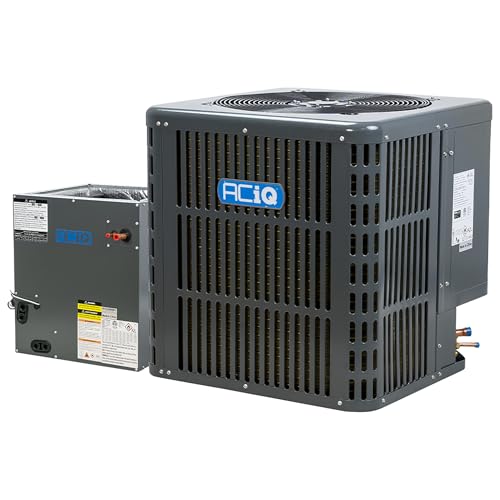
This 3-ton central split system emphasizes robust cooling for medium to larger homes. The 17.5-inch evaporator coil and aluminum construction with TXV support reliable performance, with R32 refrigerant compatibility. Best for homes needing stronger central cooling without sacrificing efficiency. Caution: installation requires professional handling of the evaporator coil and thermostat integration.
Rellytech 9,000 BTU Mini Split System

This 9,000 BTU ductless mini split provides efficient cooling and heating suitable for bedrooms, living rooms, offices, or garages up to 550 sq ft. It includes four modes and an Eco function to optimize energy use. Best for single-room or small-apartment setups where flexible installation is required. Caution: pre-charging and refrigerant handling are essential for proper operation and may impact initial setup time.
Buying Guide: Key Considerations for Residential AC Systems
- Whole-house central vs. room-by-room ductless: Central systems cool the entire home via ducts, while mini splits offer targeted cooling for individual rooms. Choose based on layout, renovation plans, and energy goals.
- Capacity and sizing: Oversized units waste energy; undersized units struggle to reach setpoints. Match BTU ratings to room size and climate. For central systems, AHRI-certified units and coil compatibility matter for efficiency.
- Efficiency and refrigerant: Higher SEER2 values reduce operating costs over time. R32 refrigerant is common in newer units and typically has a lower environmental impact than older blends.
- Installation considerations: Central systems require ductwork and outdoor-condenser placement; mini splits need indoor units mounted on walls or ceilings with outdoor condensers. Professional assessment ensures proper airflow, line-set sizing, and electrical requirements.
- Noise and comfort features: Look for quiet operation modes, smart thermostats compatibility, and auto-swing airflow for even temperature distribution.
- Maintenance and warranties: Access to service providers and ease of filter maintenance influence long-term performance and costs.
Frequently Asked Questions
- What size central AC do I need for my home? Size depends on square footage, insulation, climate, and window load. A licensed HVAC technician can perform a Manual J calculation to determine the correct BTU rating for your home.
- Are mini split systems easier to install than central systems? Yes, mini splits generally require less invasive installation since they do not rely on ductwork, but proper outdoor and indoor unit placement is still critical.
- Is R32 refrigerant better for the environment? R32 has a lower global warming potential than many older refrigerants, contributing to reduced environmental impact when used in properly charged systems.
- How do I know if I should choose a 2-ton vs 3-ton unit? Compare room sizes and cooling load. A 3-ton unit delivers more capacity and is better for larger spaces, while a 2-ton unit suits smaller homes or zones within a larger residence.
- Can I mix central and ductless cooling in the same home? Yes, many homes use a hybrid approach to zone cooling, but ensure the systems are appropriately sized and do not conflict with each other’s controls.
- What maintenance steps are essential for these systems? Regular filter cleaning, outdoor coil checks, and seasonal professional servicing help maintain efficiency and longevity.