Best Propylene Glycol for Heating Systems: Safe, Efficient Heat Transfer Fluids
Propylene glycol is a common heat transfer fluid for residential and small commercial heating systems. This guide highlights five reliable options, explaining who each product suits best, and where to use them for optimal performance. Whether you’re maintaining an hydronic boiler, a solar heating loop, or a radiant floor system, these selections balance heat transfer, corrosion protection, and compatibility. The table below summarizes key points to compare at a glance.
| Product | Best For | Why It Stands Out | Limitations |
|---|---|---|---|
| STAR BRITE Premium -100° Boiler System Antifreeze | Systems needing very low freeze protection | Excellent heat transfer; burst protection to -100ºF; premium corrosion inhibitors | Made for specific Aqua-Hot / Hydro-Hot use; verify compatibility |
| Hercules Cryo-Tek Antifreeze | General purpose, no-dilution needs | Brand-grade antifreeze with reliable performance; ready-to-use | Concentrated options may vary; check system specs |
| Propylene Glycol – 1 Gallon USP Food Grade | Multi-use applications including cosmetics and foods | USP food grade; clear, odorless, non-toxic; versatile humectant | Not specifically formulated as boiler antifreeze |
| Propylene Glycol, 100% Pure, USP Kosher | Soap, cosmetics, and broad non-toxic uses | 100% pure, kosher, multi-use; crystal clear | Not targeted for heavy-duty boiler protection |
| Freeze Safe 5 gal HD Propylene Glycol Antifreeze | Seasonal/backup heating or RV and boat systems | Reduces corrosion; protects down to -80°F; visible color aid | Blue color option; verify compatibility with seals |
STAR BRITE Premium -100° Boiler System Antifreeze

Best for systems requiring robust freeze protection and high heat-transfer efficiency. This STAR BRITE fluid is designed for Aqua-Hot and Hydro-Hot applications, delivering strong heat transfer and burst protection down to -100ºF at full strength. The formula includes premium corrosion inhibitors to protect internal components. Use this when your system runs in freezing environments and you need reliable protection without sacrificing flow. A potential limitation is ensuring compatibility with non-standard seals or materials present in a custom loop.
Hercules Cryo-Tek Antifreeze

Better for general purpose boiler loops that require ready-to-use antifreeze without diluting. The Hercules Cryo-Tek brand offers a straightforward solution for maintaining protected piping and corrosion resistance. It is a practical choice when you want a known brand with consistent performance in closed-loop systems. A caution is to verify whether your system’s materials are fully compatible with this specific formulation and its inhibitors.
Propylene Glycol – 1 Gallon USP Food Grade

Best for multi-use applications where purity and safety are paramount. This USP food-grade glycol is colorless and odorless, suitable as a humectant and solvent. It’s a solid choice for environments where contact with edible-grade processing or humidification systems is possible, or where regulatory considerations emphasize GRAS status. It is not specifically designed as a boiler antifreeze, so avoid assuming it will deliver boiler-grade burst protection in all heating loops.
Propylene Glycol, 100% Pure, USP Kosher

Best for broad non-toxic use across cosmetics, soaps, and personal care products, with USP Kosher certification. This glycol is ideal when you need a pure, versatile humectant or solvent for non-boiler applications related to heating system auxiliary components. Choose this if your primary goal is material compatibility and purity rather than heavy-duty antifreeze protection. A limitation is that it may lack the specialized corrosion inhibitors found in dedicated boiler antifreeze products.
Freeze Safe 5 gal HD Propylene Glycol Antifreeze
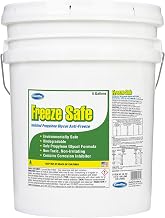
Best for seasonal or backup heating systems, boats, RVs, and trailers where reliable freeze protection is essential. This fluid provides burst protection down to -80°F and includes corrosion inhibitors to protect metal surfaces in heat transfer loops. It’s a solid choice for mixed-use properties, but verify the material compatibility with neoprene seals and any unique components in your system.
Buying Guide: Key Considerations for Propylene Glycol in Heating Systems
- System type and temperature range: Match the glycol’s freeze protection and heat transfer properties to your boiler, radiant floor, or solar loop. Higher protection is beneficial in colder climates.
- Corrosion inhibitors: Look for fluids with formulated inhibitors to guard pumps, pipes, and heat exchangers. Inhibitors should suit your system metals and gaskets.
- Purity and grade: USP or food-grade glycols emphasize purity and safety, but for boiler use, ensure the product is designed for heat transfer and antifreeze purposes rather than just cosmetic or humectant roles.
- Material compatibility: Check seals, gaskets, and hoses in your loop. Some glycols interact with neoprene or certain elastomers; verify compatibility with your components.
- Dilution and concentration: Some products are ready-to-use; others require mixing. Follow manufacturer guidance to achieve the intended protection level.
Frequently Asked Questions
- What is propylene glycol used for in heating systems? It serves as a heat transfer fluid and antifreeze, protecting the system from freezing and reducing corrosion in closed loops.
- Do all propylene glycols require inhibitors? Not all, but many boiler-grade formulations include corrosion inhibitors to protect metals in the loop.
- Which is better for hot water systems: pure or mixed glycol? For heating loops, boiler-grade glycol with corrosion inhibitors is typically preferred over pure humectants, which may lack protective additives.
- Is USP food-grade glycol safe for heating systems? It is safe for contact in many industries but may not provide the same level of boiler-specific protection as antifreeze formulations designed for heating systems.
- Can I use any glycol in a hydronic system? No. Use glycol formulations specifically designed for heating systems, and verify compatibility with system materials.
- What should I watch for during installation? Ensure proper concentration, verify seal and material compatibility, and follow the manufacturer’s mixing and maintenance instructions.