Best Outdoor Air Conditioner Enclosures for a Neat Yard
Answer: When selecting an outdoor air conditioner enclosure, prioritize durable materials, weather resistance, easy installation, and adequate coverage for your unit. This guide highlights five enclosures suited for hiding AC units, trash cans, and pool equipment, helping you choose based on space, climate, and aesthetic needs. Ideal buyers range from DIY homeowners seeking affordable steel or vinyl screens to those needing corrosion-resistant, low-maintenance options for windy or rainy environments. The comparison below focuses on practical coverage, stability, and ease of setup.
| Product | Best For | |
|---|---|---|
| SMARTSTANDARD Metal Air Conditioner Fence (3 Panels) | Budget-friendly, durable metal privacy for air conditioners | 38″W x 40″H (per set) |
| Kozyard Outdoor Privacy Screens (4 Panels) | Solid privacy with modular post options | 50″W x 48″H total |
| KINYING Air Conditioner Fence Privacy Screen (4 Panels) | Weather-resistant resin panel privacy | 45″H x 22″W per panel |
| CASTLECREEK AC Screen | Wood-style aesthetic with ventilation | Variable sizes depending on kit |
| Enclo Privacy Screens (No Dig Vinyl Panels) | No-dig installation for quick coverage | 36.5″W x 45.5″H (per panel, 2 panels) |
SMARTSTANDARD Metal Air Conditioner Fence 3 Panels

Best For: Homeowners seeking a sturdy, affordable metal enclosure to conceal outdoor AC units and yard equipment. Why chosen: The 40″ height provides ample coverage, and the 11.8″ stakes offer stability in varied terrains. This set is ideal for medium-sized spaces and those who prefer a low-maintenance, rust-resistant finish. Limitation: The panel width may require space adjustments for larger AC units or irregular layouts.
Kozyard 50″ W x 48″ H Privacy Screens
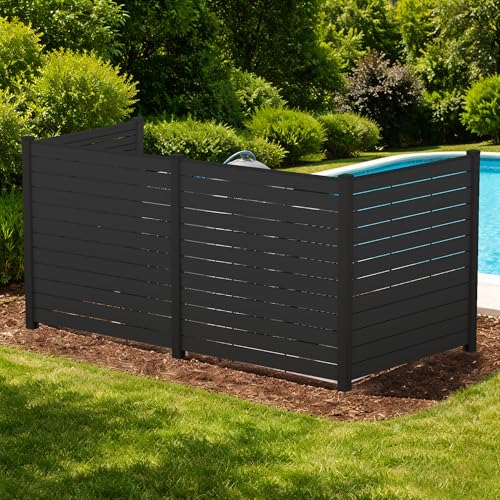
Best For: Those who want a visually appealing, wood-like look with durable metal or resin construction and flexible installation. Why chosen: This kit combines tall panels and modular post shapes to adapt to various layouts, while providing privacy around ACs and trash cans. Limitation: Some users may find the assembly instructions lengthy due to multiple post configurations.
KINYING Air Conditioner Fence Privacy Screen

Best For: Garden and backyard spaces requiring weather-resistant panels with solid wind resistance. Why chosen: The HDPE resin construction offers moisture resistance and durability in wet climates, with 9.4″ deep stakes for stability. Limitation: Panels are per-section specific; expanding coverage requires adding more panels.
CASTLECREEK Air Conditioner Fence Screen

Best For: Buyers who want a wood-look privacy screen that complements a traditional outdoor aesthetic. Why chosen: Solid fir construction allows painting or staining for a customized finish, with a lattice design to maintain airflow. Limitation: Wood variants may require periodic maintenance to preserve finish in harsh weather.
Enclo No-Dig Vinyl Privacy Screen

Best For: Quick-install setups where digging or concrete work is not possible. Why chosen: The no-dig vinyl panels simplify installation and reduce yard disturbance, with a tall height to conceal units and trash bins. Limitation: Vinyl panels may show wear quicker in extreme sun in some regions compared with metal or wood alternatives.
Buying Guide: Key Purchase Considerations
What material best fits my climate?
Choose metal for durability and wind resistance in harsh climates. Vinyl is low-maintenance and resistant to moisture but can become brittle in extreme cold. Wood offers aesthetic appeal but requires ongoing maintenance to prevent rot and warping.
How much coverage do I need?
Measure your AC unit and surrounding equipment. Opt for panels that provide at least 6–12 inches of clearance on all sides for airflow, while ensuring a neat fit with your yard layout. Consider taller panels for larger trash cans or pool gear.
Is installation easy or permanent?
No-dig or lightweight panels are ideal for renters or temporary setups. Panels with ground stakes or post clamps suit DIY homeowners who want a stable, semi-permanent installation. If you plan to relocate, prefer modular or freestanding designs.
How important is airflow and ventilation?
Look for ventilated designs such as lattice or spaced boards to prevent overheating of equipment. Avoid solid, airtight enclosures that trap heat behind the unit.
What about aesthetics and HOA rules?
Consider color, finish, and style that complements your home exterior. Some HOAs require uniform fencing color or material; check local guidelines before purchasing.
Maintenance considerations
Metal screens with rust-resistant coatings require minimal upkeep. Wood screens may need sealing or repainting every few years. Vinyl screens are generally easy to clean but may crack in extreme heat.
FAQ
- Q: Do these enclosures require professional installation?
- A: Most of the listed enclosures are designed for DIY installation with basic tools; refer to the product’s hardware and instructions for specifics.
- Q: Will an enclosure affect AC performance?
- A: A properly sized enclosure with ventilation should not impede airflow; ensure there is clearance and lattice or gaps for ventilation.
- Q: Can I expand an enclosure later?
- A: Some systems are modular (add panels or posts) to expand coverage. Check compatibility with the existing design before purchasing more panels.
- Q: Are these enclosures suitable for pool equipment hides?
- A: Yes, most designs conceal pool pumps and related gear while maintaining access and airflow for safety and maintenance.
- Q: Which protects best against wind?
- A: Panels with deep ground stakes and reinforced frames offer better wind resistance; taller, heavier-duty designs tend to be more stable in gusty conditions.