Best Outdoor AC Pipe Insulation for Weatherproof Piping and Energy Savings
Outdoor air conditioning pipe insulation protects refrigerant lines from heat, cold, and weather, helping conserve energy and prevent condensation. This guide highlights five top options and explains who each is best for. Whether you’re insulating copper lines, PVC pipes, or flexible ducts, these picks balance durability, ease of installation, and value for outdoor environments.
Buyer-friendly at-a-glance table
| Product | Best For | Key Benefit | Limitations |
|---|---|---|---|
| Nkiy Quen 5 Layers HVAC Cover | Outdoor copper lines | Durable 5-layer design with waterproof outer fabric | May be bulkier for tight spaces |
| Afcabakila 3 Layers HVAC Cover | Mini splits & outdoor runs | Three-layer protection with UV resistance | Installation complexity for small gaps |
| XFasten Foam Pipe Insulation Tape | Wraps and bends | Extreme adhesion and high flexibility | Adhesive may be sensitive to dirt/grease |
| Duck Brand Foam Pipe Covers | Pre-slit, quick installs | Self-sealing edges for fast fit | Limited thickness option |
| K-Flex USA 3/4″ Elastomeric Insulation | General pipe insulation | Solid traditional insulation with durable material | Requires cutting to fit |
Nkiy Quen 5 Layers HVAC Copper Pipe Insulation Cover

The Nkiy Quen outdoor insulation sleeve provides long-lasting protection for HVAC copper piping. It features a three-layer outer waterproof 600D Oxford fabric, a thick pearl cotton center for cushioning, and an inner insulating aluminum foil. This construction helps shield pipes from sun exposure and freezing temperatures. Best for: outdoor copper line runs where UV and weather resistance matter. Caution: installation may require ample space to accommodate the 72×10.2 inch size; ensure you have room for wrapping and fastening.
Afcabakila 3 Layers HVAC Copper Pipe Insulation Cover
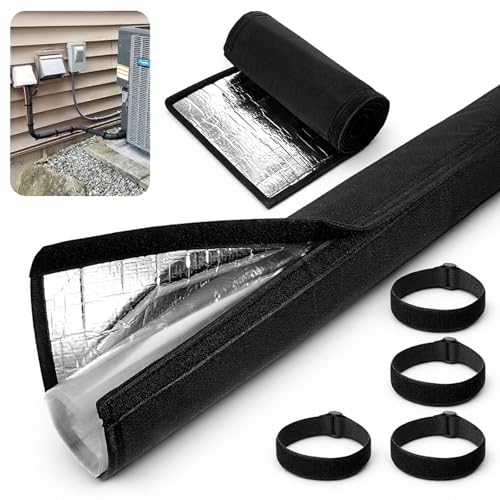
This three-layer cover uses a 600D Oxford outer shell, cushioned pearl cotton middle, and an insulating aluminum foil inner layer. It is designed to protect outdoor HVAC lines from sun, rain, and temperature swings, helping maintain refrigerant temperatures and system efficiency. Best for: outdoor mini splits and central air installations where durable weather resistance is essential. Caution: ensure proper fit for irregular pipe layouts; the wrap is designed for standard runs.
XFasten Foam Pipe Insulation Tape 2 Inch

This heavy-duty insulation tape is designed for outdoor A/C lines and other piping. It offers extreme adhesion, a strong tensile strength, and a low thermal conductivity to reduce energy loss. Best for: wrapping curved lines, joints, or hard-to-reach sections where traditional wraps are impractical. Caution: outdoor surfaces must be clean for best adhesion; dirt or oil can compromise performance.
Duck Brand Foam Pipe Covers

Duck Brand pre-slit foam pipe stick covers simplify installation on curved pipes, with self-sealing edges to secure the wrap. They help prevent winter freezing and summer sweating of indoor water pipes, air conditioning, and HVAC lines. Best for: quick, DIY insulation upgrades where a fast install is valued. Caution: available in limited thickness options, which may limit effectiveness on larger-diameter pipes.
K-Flex USA 3/4″ Elastomeric Pipe Insulation
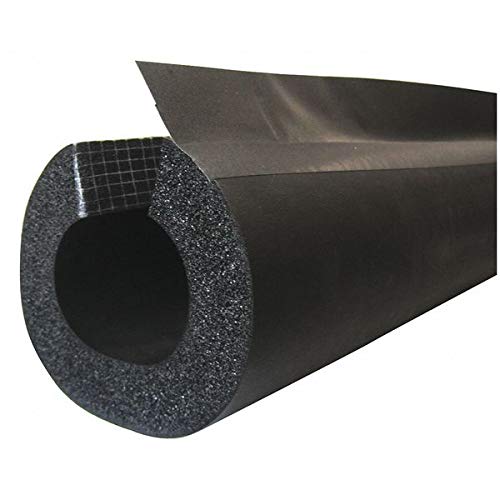
This elastomeric insulation offers durable material and reliable temperature regulation. It’s widely used for a range of residential and commercial piping needs, providing solid thermal resistance. Best for: standard outdoor and indoor piping across various temperatures. Caution: involves cutting to fit; ensure precise measurements for best performance.
Buying Guide: What to Consider When Choosing Outdoor Pipe Insulation
- Climate and weather exposure: Choose UV- and weather-resistant materials for sun-heavy areas and rain-prone regions.
- Pipe type and size: Copper, PVC, and hoses require different covers or thicknesses. Check inner diameter and length to match the pipe.
- Insulation material: Foam, elastomeric, and multi-layer covers each offer different R-values, durability, and flexibility.
- Ease of installation: Pre-slit or self-sealing edges speed up DIY projects; flexible wraps are better for curved runs.
- Expansion and contraction: Outdoor pipes experience temperature-induced movement; select materials with bend resistance and secure fastenings.
- Maintenance and longevity: Look for fade resistance, mold resistance, and non-toxic materials for safety and longevity.
How To Choose By Scenario
- Budget-conscious DIYer: Duck Brand Foam Pipe Covers or XFasten Tape offer quick, inexpensive options with straightforward installation.
- Rugged outdoor exposure: Nkiy Quen and Afcabakila provide heavier protection through multi-layer construction for sun, wind, and rain.
- Flexible routing: XFasten Tape excels where pipes bend or run in tight spaces, thanks to strong adhesion and extensibility.
- General purpose insulation: K-Flex Elastomeric insulation supplies reliable performance across common temperatures and pipe sizes.
FAQ
- What is outdoor pipe insulation used for?
To minimize heat transfer, prevent condensation, and reduce energy use in outdoor and near-outdoor piping such as AC refrigerant lines.
- Is foam or elastomeric insulation better for outdoors?
Elastomeric insulation is typically more durable and resistant to moisture, while foam wraps can be faster to install for simple runs.
- Can insulation protect copper pipes from freezing?
Yes, proper insulation helps maintain pipe temperatures and reduces the risk of freezing in cold weather.
- Do I need to seal insulation around pipes?
Yes, use pre-slit designs or self-sealing edges when available to secure the wrap and prevent gaps that allow moisture ingress.
- How do I measure for insulation length?
Measure the total length of the exposed pipe run and add a small buffer for fittings and bends.
- Are there safety concerns with insulation materials?
Choose non-toxic and flame-retardant options when possible; check product specifications for safety details.