Best Natural Gas Forced Air Heaters for Large Spaces
When warming large spaces like construction sites, barns, or warehouses, natural gas forced air heaters offer robust heat output, stable operation, and fuel efficiency. This guide highlights top options that align with natural gas fuel and practical applications. You’ll find a quick product snapshot, detailed specifications, and a buying guide that compares fuel types, durability, and safety features to help you choose the right heater for your needs.
| Product | Brand | BTU (Gas) | Fuel Type | Link |
|---|---|---|---|---|
| L.B. White Tradesman 170N | L.B. White | 125,000–170,000 | See product below | |
| Mr. Heater F260550 Big Maxx MHU50NG | Mr. Heater | 50,000 | See product below | |
| Tradesman CP170NU | L.B. White | 125,000–170,000 | See product below | |
| InoKraft MaXheat MH125 | InoKraft | 125,000 | See product below | |
| Habitio 125,000 BTU | Habitio | 125,000 | See product below |
L.B. White Tradesman 170N Natural Gas Portable Heater

The L.B. White Tradesman 170N is designed for large spaces that require rapid, high-output heat. With a heat range of 125,000 to 170,000 BTU per hour, this direct-fired unit is well-suited for construction sites, garages, shops, and warehouses. The natural gas configuration emphasizes fuel efficiency, delivering strong heat output while minimizing fuel costs. The unit’s durable construction and Wisconsin manufacturing heritage emphasize reliability in demanding environments.
Key features include dependable electronic spark ignition for quick start-up and a built-in diagnostic light to simplify troubleshooting, reducing downtime on job sites. The heavy-duty construction utilizes a rugged combustion chamber and tri-shield finish to resist abrasion and corrosion. This combination of power, durability, and diagnostic ease makes the Tradesman 170N a practical choice where steady heat and rugged performance are priorities.
Applications: industrial settings, large garages, construction zones, and warehouses. Safety emphasizes proper ventilation and adherence to installation guidelines, given the direct-fired nature of the heater. For maintenance, periodic inspection of gas connections, ignition components, and the protective finishes helps ensure long service life in tough environments.
Mr. Heater F260550 Big Maxx MHU50NG Natural Gas Unit Heater
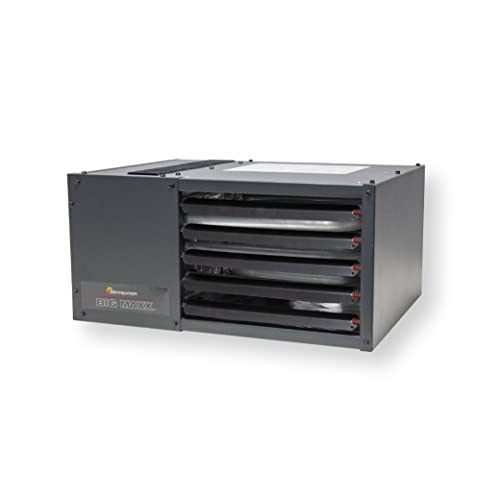
The Mr. Heater F260550 Big Maxx MHU50NG is a natural gas unit heater designed to deliver consistent warmth for indoor spaces that require robust heat with flexible venting options. With a nominal output around 50,000 BTU per hour, it is well-suited for larger garages, barns, or workshop areas that benefit from steady, vertical or horizontal venting capabilities. The unit is designed to be accessible for outdoor or semi-enclosed installations and provides straightforward access to thermostats and gas connections for utility professionals.
Notable attributes include features that support stable operation and ease of installation. The unit’s natural gas fuel source helps achieve predictable heating costs in spaces that are occupied for extended periods. Additionally, the design emphasizes reliable ignition and simple maintenance, making it a practical choice for commercial or industrial settings that require dependable heat with flexible venting arrangements.
Performance considerations: assess the space size, ceiling height, insulation quality, and airflow patterns to ensure the heater’s BTU rating aligns with the heating load. Ensure proper clearance, venting compliance, and gas line sizing to optimize efficiency and safety over the heater’s lifetime.
Tradesman CP170NU Portable Propane LP Heater (Related Model)

The Tradesman CP170NU represents a closely related line in the Tradesman family, offering adjustable heat output from 125,000 to 170,000 BTU per hour. While designed for propane, its construction emphasizes durability and reliable start-up with a thermostatic control approach. The unit retains Wisconsin manufacturing quality and a heavy-gauge combustion chamber, supporting tough conditions on job sites or industrial spaces that use propane as a fuel source. Operators should consider fuel type compatibility with existing infrastructure and any ventilation requirements related to propane combustion.
Considerations include fuel supply stability, potential odor or ventilation needs, and operational costs tied to propane usage. The CP170NU can serve as a practical comparison point for users weighing propane-compatible heat options against natural gas units, particularly when existing gas lines or safety standards influence fuel choice on a given site.
InoKraft MaXheat MH125 125,000 BTU Propane Heater

The InoKraft MaXheat MH125 offers 125,000 BTU per hour with a portable design suitable for garages, job sites, and large workshops. It includes a 10-foot hose and regulator for convenient setup. While this model is propane-powered, it is frequently used in environments where natural gas may not be accessible, making it a useful comparative option for evaluating heat output, portabil ity, and ease of connection in different sites. Features highlight safety considerations including anti-leak protections and overheat safeguards, along with CSA certification for compliant operation.
Performance considerations include heat distribution efficiency and noise levels, especially in noisy work environments. The device’s adjustable heat angle enhances versatility when directing heat to specific zones within a workspace. For sites with existing natural gas infrastructure, this model can be used as a fallback option if propane is preferred or required for specific applications, but it does not run on natural gas.
Dyna-Glo Delux KFA80DGD Keorsene Forced Air Heater

The Dyna-Glo Delux KFA80DGD is a kerosene-fueled forced air heater, offering a high heat output suitable for larger spaces during cold months or in off-grid locations. While not a natural gas heater, it represents an alternative fuel option for environments where natural gas lines are unavailable or where specific operational requirements dictate kerosene usage. The unit emphasizes user-friendly controls and a thermostat-based approach to maintain consistent warmth. It is important to ensure adequate ventilation when operating kerosene heaters to minimize odor and combustion byproducts, particularly in enclosed spaces.
Mr. Heater 60,000 BTU Propane Space Heater
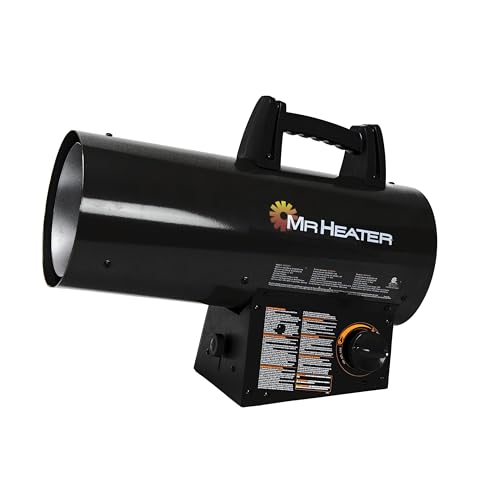
The Mr. Heater 60,000 BTU propane space heater provides a portable heating option for smaller or partially enclosed spaces where natural gas is not present. It includes a 10-foot hose and regulator, making it convenient for temporary or secondary heating needs. While propane, not natural gas, it demonstrates the broad spectrum of fuel options available for forced air heating. The compact design supports easy mobility within workshops or garages, and safety features emphasize regulated operation, along with user-friendly handling and glove-friendly controls.
Buying Guide: Key Purchase Considerations for Natural Gas Forced Air Heaters
- Fuel compatibility and infrastructure: Natural gas units rely on an existing gas line and proper venting. If your space lacks natural gas, propane or kerosene models may be viable alternatives, but you should assess long-term costs and availability.
- Heat output and space size: Match BTU ratings to the target area, taking into account ceiling height, insulation, and airflow. Oversized units waste energy, while undersized units fail to maintain comfortable temperatures.
- Ventilation and safety: Direct-fired units require proper venting and adherence to installation codes. For indoor use, ensure adequate combustion air, venting clearances, and regular maintenance to prevent safety hazards.
- Durability and build quality: Look for heavy-gauge components, corrosion-resistant finishes, and durable casings designed for rough environments like job sites and warehouses.
- Ignition and controls: Electronic ignition, thermostatic control, and diagnostic indicators simplify startup and ongoing troubleshooting, reducing downtime on critical sites.
- Portability vs. fixed installation: Portable units offer flexibility on multi-site projects, while fixed units provide consistent heat with centralized venting. Consider space constraints and installation ease.
- Maintenance and parts availability: Choose brands with accessible service networks, readily available replacement parts, and documented service intervals to maximize uptime.
- Operating costs: Compare fuel prices, efficiency, and maintenance needs. Natural gas generally offers stable, predictable costs, but availability varies by location.
- Environmental and odor considerations: Propane and kerosene options may produce odors or variable combustion byproducts; natural gas typically yields cleaner combustion with less handling of fuel storage.
In summary, natural gas heaters deliver substantial heat for large, open spaces when a reliable gas supply is available. Propane and kerosene units provide versatile options where natural gas lines are absent or impractical. When selecting a heater, prioritize space size, ventilation, and long-term operating costs, and ensure installation by qualified technicians to maintain safety and performance standards.