Best Low Wattage Space Heaters for RVs: Efficient Camping Comfort
When living or traveling in an RV, staying warm without overloading the electrical system matters. The right low wattage space heater provides cozy heat while preserving battery life and safety. This guide highlights compact, energy-conscious options designed for RV use, with practical features like tip-over protection, automatic shutoff, and thermostatic control. Below, you’ll find five carefully chosen products that balance warmth, efficiency, and portability for small spaces on wheels.
| Product | Brand | Key Feature |
|---|---|---|
| Caframo True North Heater | Caframo | Low profile, adjustable thermostat, 5 heat/fan settings |
| Teioe Mini Electric Space Heater | Teioe | 800W/400W modes, compact, safety protections |
| Brightown Wall Space Heater 450W | Brightown | Programmable thermostat, LED display, precise control |
| Performance Tool W5011 250W Personal Heater | Performance Tool | Very low wattage, portable personal heat |
| Pereysi 1000W Small Space Heater | Pereysi | Three modes, compact personal heater with thermostat |
The list below provides detailed product insights, with emphasis on efficiency, safety, and suitability for RV living. Each section includes a quick snapshot and considerations to help you pick the best fit for your coach, bedroom, or cab area.
Caframo True North Heater

The Caframo True North stays compact with a rugged, steel housing and a low profile design that stores easily when not in use. It offers a built-in adjustable thermostat and five heat/fan settings, providing flexible warmth for chilly RV nights. An anti-freeze function activates at 38F (3C) to keep air temperatures above freezing, which is useful for RV storage in colder climates. Its versatility makes it a practical choice for small spaces where quiet operation and reliable heat matter most.
Dreo Space Heater (2025 Upgraded)

Note: This option was included for comparison of compact, efficient heat delivery. The Dreo unit uses a 1500W PTC ceramic system with rapid heat and broad reach, but its higher wattage may limit RV electrical compatibility. It does, however, showcase how modern heaters optimize safety with tilt-detection, flame-retardant materials, and precise thermostat control. For RV contexts, its emphasis on safety and control can inform what to look for in low-wattage alternatives.
Teioe Mini Electric Space Heater
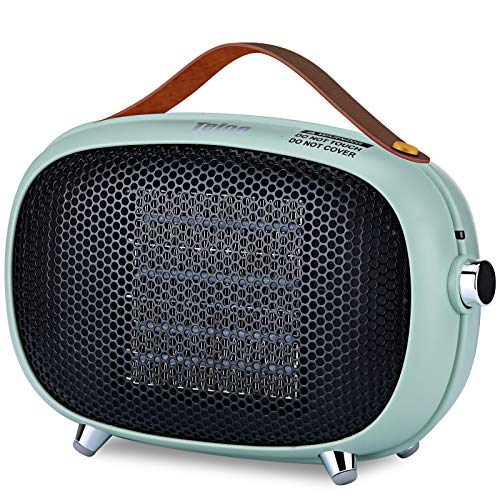
Teioe’s compact heater measures about 8.3 x 5.5 x 3.1 inches and weighs roughly 1.6 pounds, making it highly portable for an RV cab or under-desk use. It provides 800W in high mode and 400W in low mode, with safety features including overheat protection, tip-over protection, an 8-hour auto shutoff, and a 30-second delay shutdown. Noise is under 45 dB, which helps preserve a peaceful RV environment while delivering quick heat near a seating area or a workspace.
Brightown Wall Space Heater 450W

This 450W wall heater delivers quick warmth with a ceramic PTC heating element and a precise LED display. The built-in timer supports 1 to 12 hours of operation, after which the unit automatically powers off. The adjustable thermostat and accurate temperature control allow RV users to maintain a comfortable climate while keeping energy use modest and predictable. The compact footprint helps minimize space conflicts in tight RV interiors.
Performance Tool W5011 250W Personal Heater

With a modest 250W rating, this personal heater is well-suited for extremely restrained RV spaces or workspace zones. Its simplicity supports reliable, quiet heat when you need a quick warmth boost at a desk or foot area. While not designed for whole-room heating, its portability and low wattage make it a practical supplemental option. Users should pair it with a primary heater or use it in well-safeguarded spots to avoid overloading circuits.
Pereysi 1000W Small Space Heater

Pereysi offers a compact ceramic heater with three operating modes: Natural wind, Low at 700W, and High at 1000W. The built-in thermostat helps maintain a stable temperature, which is especially useful in RV living where space and climate control options are limited. While 1000W is higher than typical RV outlets, the low wattage modes provide flexibility for zoned heating and energy management alongside other devices.
Buying Guide: Key Considerations for RV Heating
- Electrical compatibility: RVs often run on limited circuits. Prioritize units with low to moderate wattage and built-in thermostats to avoid tripping breakers or draining batteries excessively.
- Thermostat precision: Small space heaters with accurate temperature control help maintain comfort without overheating. Look for units offering 1°F or tight increments and programmable timers when possible.
- Safety features: Tip-over protection, overheat protection, automatic shutoff, and flame-retardant materials are essential for mobile living environments.
- Noise level: Quiet operation is important in RV bedrooms and living spaces. Check decibel ratings or user reviews noting noise levels.
- Portability and footprint: Compact designs, lightweight builds, and flexible mounting or placement options maximize usable space in a small RV interior.
- Durability and finishes: RV travel subjects heaters to vibration and movement. Housings with steel or robust plastics tend to hold up longer than cheaper alternatives.
- Energy management: Consider heat distribution—units with fans or heat zones help spread warmth without relying on a single source, enhancing efficiency in compact spaces.
- Placement safety: Ensure heaters are used on stable surfaces away from curtains, papers, or bedding. Look for tilt and tip-over protections in devices used near seating or sleeping areas.
For RV ownership, selecting a heater often means balancing wattage, safety, and space. The options above provide a spectrum from ultra-low wattage personal heaters to compact ceramic models suitable for small living areas. Always verify electrical compatibility with your RV’s system before operating any heater, and consider combining a primary efficient heater with a small, low-wattage supplemental unit for zone-specific warmth.