Best Indoor AC Coil Cleaner Solutions for Homeowners and Pros
If you’re looking to improve indoor air quality and restore cooling efficiency, a strong indoor AC coil cleaner is essential. This guide highlights five reliable options designed for evaporator coils inside homes and accessible maintenance tasks. Each product is explained for who it’s best for, with clear pros, limitations, and practical usage notes. Use this to pick a cleaner that fits your system, maintenance style, and DIY comfort level.
| Product | Best For | Key Benefit |
|---|---|---|
| Nu-Calgon 417175 Evap Foam | Homeowners with metal coil components | Self-rinsing foam with corrosion inhibitors |
| Leak Saver Foam Blaster (3 Pack) | Evaporators and condensers, DIY and pros | Deep-penetrating, high-pressure foam |
| Simple Green Foaming Coil Cleaner (Gallon) | Regular maintenance crews, larger cleanup jobs | Foaming cleaner with no-rinse convenience |
| Arm & Hammer Biodegradable HVAC Coil Cleaner Foam | Eco-conscious homeowners and offices | Biodegradable formula with odor control |
| featrity Foaming AC Coil Cleaner (19 oz) | DIY homeowners for seasonal upkeep | No-rinse foam for easy maintenance |
Nu-Calgon Evap Foam — Evaporator Coil Cleaner
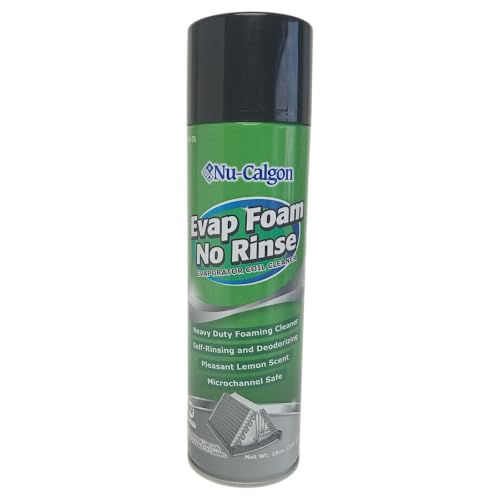
Key features include fast-breaking foam that liquefies dirt, grease, and residues, plus corrosion inhibitors that protect metals and other materials. The foam is self-rinsing, simplifying the cleaning process for evaporator coils. Best for homeowners who want a straightforward, low-maintenance solution that minimizes rinse steps.
Best for: Homeowners who perform occasional seasonal cleanups and want a safe option for metal coil parts. Limitation: Some users may require a follow-up rinse on heavily soiled condensers.
Leak Saver Foam Blaster 3 Pack

This kit uses a high-pressure, focused spray to drive cleaner into coils before foaming, enabling deep penetration. The active expanding foam liquefies grime for evaporators (no rinse) and condensers (light rinse). It aims to restore efficiency and deodorize the drain pans, with a milder scent left behind. Best for: DIYers who need deeper penetration and robust cleaning without excessive manual scrubbing.
Caution: For evaporators, no rinse is required, but condensers may need a light rinse to remove loosened debris. Not ideal for very delicate finishes without testing on a small area first.
Simple Green Foaming Coil Cleaner — Gallon

Simple Green’s foaming formula is designed for broader maintenance cycles, offering a self-rinsing option on condensate-producing coils and straightforward removal of dirt and buildup. The gallon size makes it suitable for larger systems or frequent maintenance crews. Best for: Property managers and homeowners performing regular, scheduled coil cleaning.
Limitation: The product’s generic description may lack indoor air quality claims; verify compatibility with your specific coil materials before use.
Arm & Hammer Biodegradable HVAC Coil Cleaner Foam
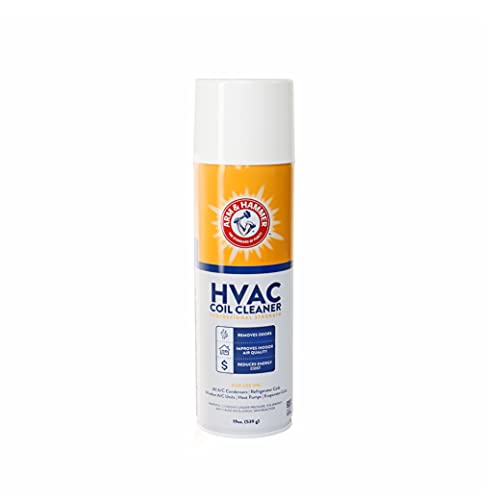
This product emphasizes odor control and a self-expanding, biodegradable formula. It’s designed to remove dirt and buildup while supporting indoor air quality improvements. Best for: Eco-minded users who want a cleaner that aligns with greener maintenance practices. Caution: Ensure adequate ventilation during application to avoid any lingering chemical odors.
featrity Foaming AC Coil Cleaner — 19 oz

Featrity offers a no-rinse foam designed for household evaporator and condenser coils during seasonal maintenance. The spray design makes it easy to apply for quick cleanups and routine care, improving airflow and cooling efficiency. Best for: DIY homeowners seeking a simple, no-fuss cleaning option with predictable results. Limitation: No-rinse formula may leave some residue if not fully dissociated by condensate drainage in humid climates.
BERIOVE Foaming AC Coil Cleaner

BERIOVE features a high-efficiency, delayed-foaming action that penetrates deep into coils to liquefy dirt and grime. It offers no-rinse on evaporators and only light rinsing on condensers, promising faster maintenance with strong cleaning power. Best for: Professionals and serious DIYers who want deep cleaning with reduced water use. Caution: Test on a small, hidden area first to verify compatibility with delicate finishes.
Simple Green Foaming Coil Cleaner (20 oz, Pack of 3)

This pack offers professional-strength cleaning with self-rinsing capabilities for condensate-producing coils, aiding ongoing performance. It removes dirt and grime that can clog heat transfer paths and is NSF registered for use in food processing areas when applicable. Best for: Facilities that require multiple cans for ongoing maintenance or cleaning large systems. Limitation: Some users may prefer smaller, more controlled application bottles for residential use.
Buying Guide: Key Purchase Considerations
- Application target: Evaporators generally require no-rinse or light rinse formulas, while condensers may need a mild rinse. Choose accordingly.
- Foam action: Delayed-foaming formulas help reach deeper buildup; immediate foam tends to be more surface-focused.
- No-rinse vs rinse requirements: No-rinse options save water and time but verify local drainage or condensate handling standards.
- Material compatibility: Corrosion inhibitors and biodegradable formulas help protect metal components; test on a small area if unsure.
- Size and quantity: Gallon or multi-pack options suit larger systems or frequent maintenance; smaller cans suit occasional upkeep.
- Odor and indoor air quality: Odor-control formulas can improve comfort in occupied spaces; consider ventilation.
Frequently Asked Questions
- What is the difference between no-rinse and rinse-required coil cleaners? No-rinse products are designed to be left on the coils and drained away with condensate, while rinse-required formulas need water to remove loosened dirt.
- Are these cleaners safe for metal components? Most products include corrosion inhibitors or biodegradable formulas to protect metals; however, always follow label directions and test a small area first.
- Can I use these cleaners on both evaporators and condensers? Many cleaners are formulated for both, but some specify evaporator-only use or require light rinsing on condensers.
- How often should I clean AC coils? Routine seasonal maintenance is common for residential systems; more frequent cleaning may be required in dusty environments or after system changes.
- Will cleaning improve my cooling efficiency? Clean coils improve heat transfer and can help restore some cooling efficiency, especially if buildup is substantial.
- Is a no-rinse formula better for beginners? Yes, no-rinse options reduce steps, but always confirm compatibility and method with the specific unit.