Best Heat Tape for Wires: Top Wires Harness Tapes for Automotive and Electrical Projects
Heat tape for wires is essential for protecting wiring looms, reducing noise, and preventing heat damage in automotive and electrical installations. This guide highlights five top options, detailing who each product is best for and why it stands out. Whether you’re upgrading an engine bay, wiring a dashboard, or tidying up a complex loom, these tapes offer reliable performance at varying temperatures and applications.
Product Quick Reference
- BEIVOBY – 2 Rolls High Temp Wire Harness Tape, OEM-Grade Automotive Cloth Fabric Tape – best for DIY engine wiring and quick bundling
- RED WOLF – Wiring Harness Tape, High Temp Fabric Tape – best for interior noise reduction and long wraps
- Design Engineering – Cool-Tape – best for radiant heat protection up to 2000°F
- XFasten – Wire Harness Tape, 3/4-Inch x 50-Foot (5-Pack) – best value for multiple loom jobs
- Ndcadhesive – Wiring Harness Tape, 1/2” x 50Ft – best for factory-like insulation and long-term durability
BEIVOBY 2 Rolls High Temp Wire Harness Tape

Best for: DIY automotive wiring projects where OEM-grade appearance, thickness, and strong adhesion matter. This cloth fabric tape withstands -40℉ to 250℉ and provides soundproofing and vibration dampening for engine bays.
Why selected: It matches or exceeds OEM wire harness tapes in look and strength, with extra-sticky adhesive that speeds bundling of hard-to-reach cables. It tears by hand, making it convenient for quick wraps without tools.
Limitations: While flexible, it is designed primarily for wiring harnesses; extremely high-heat components may require a more heat-shield-focused solution.
RED WOLF Wiring Harness Tape – High Temp Fabric Tape

Best for: Interior wiring and dashboard harnesses where quiet operation and flexible wrapping are important. Its soft, corrosion-resistant fabric is suitable for general automotive uses and home appliance wiring alike.
Why selected: It’s easy to tear and apply without scissors, with a strong acrylic adhesive. The tape’s temperature range (-40°F to 221°F) supports typical vehicle environments and provides reliable sealing.
Limitations: The heat tolerance is strong but not designed for extreme radiant heat zones like engine exhaust or high-temperature manifolds.
Design Engineering Cool-Tape

Best for: High-temperature insulation and radiant heat protection. This aluminum-backed tape handles radiant heat up to 2000°F, ideal for heat shielding around exhaust components and fuel lines.
Why selected: Combines aluminized material with a woven glass fiber backing for durability and flexibility. The strong self-adhesive backing allows quick installation without clamps or fasteners.
Limitations: Primarily a heat-shielding solution; not a fabric loom tape for wrapping individual wires. Best used where radiant heat protection is needed.
XFasten Wire Harness Tape, 3/4-Inch x 50-Foot (5-Pack)

Best for: Budget-conscious multi-project users who want bulk wrapping capability without sacrificing performance. This five-pack covers several loom jobs.
Why selected: High-temp performance (-40℉ to 257℉) with strong but clean-tearing adhesive. Designed for fatigue resistance and long service life across many miles of wiring.
Limitations: Some users may prefer a thinner tape for tight bends; check thickness for very tight routing to avoid bulkiness.
Ndcadhesive Wiring Harness Tape – 1/2” x 50Ft
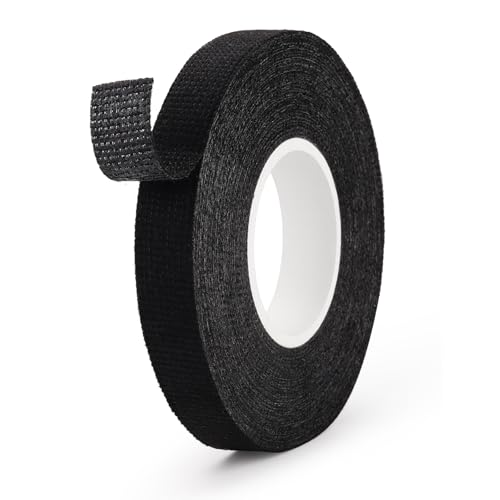
Best for: OEM-style insulation and reliable long-term protection in demanding electrical systems. The PET fleece backing dampens noise and reduces wire rattling inside vehicles.
Why selected: It delivers high heat resistance (-40°F to 257°F) and abrasion resistance, suited for vehicle interiors and exposed wire runs. Provides a neat, factory-like finish.
Limitations: Availability and color options may be limited; for visible loom wraps, color-matching considerations could apply.
Buying Guide: Key Considerations For Heat Tape For Wires
- Temperature range: Choose tapes rated for the operating temperatures your project will encounter. Automotive under-hood areas can reach high radiant heat, while interior components may require lower ranges.
- Material and construction: Cloth fabric tapes offer flexibility and sound dampening; aluminized tapes provide radiant heat reflection and shielding. Consider if you need a combination of both for different loom sections.
- Adhesive type and strength: A strong, long-lasting adhesive reduces the chance of loose wraps. Self-tearing features are convenient but ensure the adhesive won’t leave a sticky residue or deform with heat.
- Ease of installation: Hand-tear capability is valuable for quick wraps. For dense looms, tapes with a balance of thickness and flexibility help maintain tight bends without bulk.
- Application scope: If you need noise reduction, look for fleece-backed or soft fabrics. For radiant heat protection, prioritize aluminized or reflective materials.
- Durability and longevity: Tapes designed for automotive mileage (e.g., up to 150k miles) tend to hold wraps better over time and resist aging and abrasion.
- Size and quantity: For large loom jobs, bulk packs offer better value. Ensure width matches your wrap needs and that the pack includes enough length for the project.
FAQ
- What is heat tape used for in automotive wiring?
It protects wiring harnesses from heat, reduces noise and vibrations, and helps organize and seal wires in engine bays or interiors.
- Can I use any heat tape around high-heat exhaust areas?
Use tapes rated for radiant heat and, if necessary, combine with dedicated heat shields. For direct exhaust exposure, aluminum or reflective tapes designed for high heat are recommended.
- Is it easy to install heat tape without tools?
Many tapes are designed to tear by hand and feature self-adhesive backs, enabling tool-free installation in simple wraps and bundles.
- How do I choose between fabric and aluminized heat tapes?
Fabric tapes are flexible and dampen noise, good for looms and interior wiring. Aluminized tapes reflect heat, ideal for shielding critical components from radiant heat.
- How long will heat tape last on a car loom?
Durability depends on temperature exposure and installation quality. Quality tapes are designed to withstand years of typical automotive use.
- Should I wrap entire looms or only hot spots?
Wrap priority areas near heat sources first, then extend wraps to surrounding sections as needed. Avoid excessive wrapping that adds unnecessary thickness.
| Product | Best For | Temperature Range | Notes |
|---|---|---|---|
| BEIVOBY | DIY engine wiring | -40℉ to 250℉ | Hand-tearable, OEM-like appearance |
| RED WOLF | Interior wiring and dashboards | -40℉ to 221℉ | Easy to apply, corrosion-resistant |
| Design Engineering Cool-Tape | Radial heat shielding | Up to 2000°F radiant heat | Aluminized with glass fiber backing |
| XFasten 3-Pack / 5-Pack | Multiple loom projects | -40℉ to 257℉ | Strong adhesive, easy tear |
| Ndcadhesive | OEM-like insulation | -40℉ to 257℉ | Fleece backing dampens noise |