Best Gas Fireplace Chimney Vent Solutions for Fresh Air Intake
When selecting a vent solution for gas fireplaces and chimneys, the top priority is reliable airflow without letting debris enter the system. This guide highlights five solid options that suit different needs, from exterior vent covers to ventless log sets and dual‑fuel inserts. The right choice depends on your setup, climate, and whether you need vented or ventless operation. The buyer’s table below helps you compare core attributes at a glance.
| Product | Best For | Key Benefit | Vent Type |
|---|---|---|---|
| Fireplace Intake Vent Cover, 3-15/16″, White | Wood stoves and gas fireplaces needing exterior intake protection | Integrated mesh for debris control and stable airflow | Exterior vent cover |
| Real Fyre 24-Inch Live Oak Vented Gas Log Set | Large vented gas fireplaces seeking a natural flame | High heat output with authentic logs and burner kit | Vented gas log set |
| EROMMY 24 Inch Ventless Fireplace Logs Set | Ventless gas fireplaces needing no external venting | High efficiency heating with remote control | Ventless gas logs |
| Duluth Forge Dual Fuel Ventless Gas Fireplace Insert | Dual-fuel option for flexible fuel choices | Remote control with manual flame adjustment | Ventless gas insert |
| Fireplace Intake Vent Cover, 3-15/16″, Black | Exterior intake protection with a durable finish | Rust-resistant galvanized steel build | Exterior vent cover |
Fireplace Intake Vent Cover, White

This vent cover kit is designed for exterior installation on wood stoves and gas fireplaces. It includes an outside air shield hood and mounting screws for quick setup. Best for protecting the intake from debris while maintaining stable airflow for ventilation and fireplace operation. Note that performance depends on proper sizing and weather exposure; ensure your opening matches the 3-15/16″ tube diameter.
Real Fyre 24-Inch Live Oak Vented Gas Log Set

Best for large, vented gas fireplaces needing a vibrant flame and substantial heat. This output reaches up to 90,000 BTU and includes hand-painted logs, a vented burner, and a complete gas line connection kit. It is designed for fully vented natural gas fireplaces. Choose this if you want a dramatic gas fire with realistic logs and strong radiant warmth, while following local codes for safe installation. It is not suitable for propane or vent-free boxes.
EROMMY 24 Inch Ventless Fireplace Logs Set

Best for spaces where external venting isn’t feasible. This ventless set delivers up to 32,000 BTU and uses a wireless remote for temperature control. It heats spaces up to about 1,100 square feet and features high-temperature ceramic logs for durability. Useful for rooms without a vented chimney, but assess room size and local regulations on vent-free heating before installation. The auto-shutoff helps with safety in unattended operation.
Duluth Forge Dual Fuel Ventless Gas Fireplace Insert

Best for users who want flexibility between natural gas and propane. This dual-fuel, ventless insert provides up to 32,000 BTU and does not require outside ducting. It includes a remote with LCD for on/off control and flame adjustment. The unit relies on a standing pilot and manual flame adjustment. Opt for this if you need fuel versatility and a compact, ventless solution, but be mindful of local venting regulations and clearances for propane use.
Fireplace Intake Vent Cover, Black
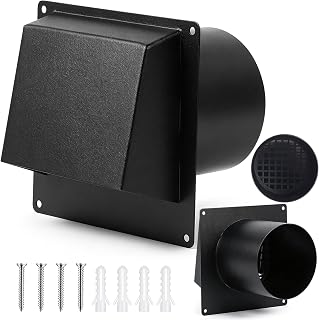
This black exterior vent cover mirrors the white version with a galvanised steel structure and stainless components to withstand wind, rain, and seasonal changes. It supports stable airflow while protecting the intake opening from debris. Best for existing exterior vents or new installations where a durable, rust-resistant finish is preferred. A potential limitation is color matching with your fireplace exterior; verify compatibility before purchase.
Buying Guide: Key Purchase Considerations
Vent type and installation site are the primary decisions. Exterior vent covers protect intake openings, while ventless logs and inserts provide different heating profiles and venting needs. Consider the following questions to guide your choice:
- Do you have a vented or ventless fireplace, and what are local code requirements?
- What space size and heating needs determine BTU output?
- Is a remote control or manual operation preferred for temperature control?
- Are there climate considerations that affect exterior components, such as wind or rain?
- What is the best fit for aesthetics and clearance with your existing chimney or fireplace surround?
Buying Considerations by Scenario
- Vent-covered intake in outdoor or semi-exposed locations: choose galvanised steel vent covers with integrated mesh for debris prevention.
- Large, vented gas fireplaces: a high-BTU vented gas log set delivers a dramatic flame and robust warmth.
- Spaces without external venting: ventless log sets or ventless inserts maximize heat without ducts, but check room size and safety guidelines.
- Fuel flexibility: dual-fuel inserts offer natural gas or propane options, expanding installation choices.
Common Questions
- What is the difference between vented and ventless gas fireplaces? Vented units require an exhaust path, while ventless units operate without external venting but must meet safety and clearance guidelines.
- Are vent covers required for all gas fireplaces? Not always, but they help protect intake openings from debris and weather, improving airflow stability in many installations.
- Can I mix vented and ventless components? Generally not; select components that match your fireplace type and manufacturer recommendations.
- What BTU range is typical for residential gas fireplaces? Ranges commonly from 20,000 to 90,000 BTU, depending on the model and venting design.
- Do I need professional installation? For gas components, installation and venting must comply with local codes and manufacturer directions; professional service is advised.
- What maintenance is required for vent covers and ventless sets? Regular cleaning of mesh and dusting of logs helps maintain airflow; follow product guidelines for service intervals.