Best Fuel Oil Torpedo Heaters for Large Spaces
When you need reliable warmth in garages, barns, workshops, or outdoor jobsites, a fuel oil torpedo heater can deliver powerful, spot-on heat. This guide focuses on torpedo-style heaters that run on kerosene, No. 1 diesel, No. 1 or No. 2 fuel oil, or similar fuels. We compare top models for performance, durability, and fuel flexibility, helping you select a unit that maintains productivity in cold conditions while managing running costs and safety.
Summary of chosen products
| Product | Fuel Options | Approx. Heat | Best For |
|---|---|---|---|
| VEVOR Kerosene Forced Air Heater | Kerosene or Diesel | 215,000 BTU | Large workshops and industrial spaces |
| LB White Tradesman K125 | Kerosene, No. 1 diesel, No. 1 fuel oil | 125,000 BTU | Construction sites and garages |
| LB White Tradesman K75 | Kerosene, No. 1 diesel, No. 1 fuel oil | 75,000 BTU | Smaller shops and mid-size spaces |
| Dayton 3VE51 Oil Fired Heater | Oil-fired | 170,000 BTU | General shop heating |
| Garveehome 125,000 BTU Heater | Kerosene, Diesel, Jet fuel (varied) | 125,000 BTU | Jobsite and outdoor work |
VEVOR Kerosene Forced Air Heater Overview

The VEVOR unit delivers up to 215,000 BTUs, designed to heat expansive spaces quickly. It supports kerosene and diesel fuels, with a 13.2-gallon tank for prolonged operation. A thermostatic control lets you set target temperatures from 40°F to 110°F, while an automatic shutoff protects against overheating. Built-in fuel gauges and dual fuel filters reduce smoke and odor, enhancing comfort in active work areas. The unit is suited for indoor or outdoor setups where heavy duty warmth is required and equipment uptime matters.
Key features include wide-area heating capability, energy-efficient thermostatic control, and dual-fuel compatibility. Operators should maintain proper ventilation and follow fuel-handling safety guidelines due to the high heat output and combustible liquids. Regular maintenance of filters and the fuel gauge helps prevent downtime and maintain efficient operation.
LB White Tradesman K125 Heater
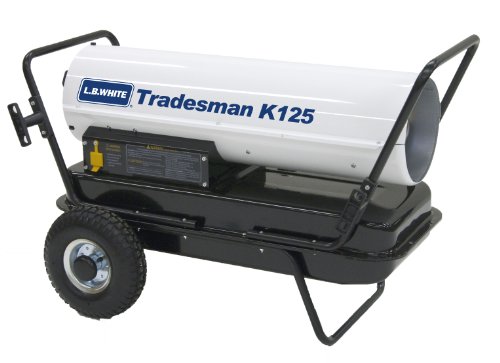
The K125 is designed for construction sites and industrial settings requiring robust, portable heat. It supports multiple fuels—kerosene, No. 1 diesel, and No. 1 fuel oil—offering reliable options when gas is unavailable. Dual-prong electronic ignition provides dependable starts, while a heavy-duty motor and brass fittings emphasize durability in demanding environments. The rugged construction is built to withstand tough conditions, delivering quick heat in large or open spaces with minimal downtime between jobs.
This unit suits projects where fuel flexibility and reliable startup are priorities. Owners should monitor fuel quality and change filters periodically to reduce smoke and odor. Ongoing attention to wiring and ignition components will help sustain long service life in harsh jobsite conditions.
LB White Tradesman K75 Heater
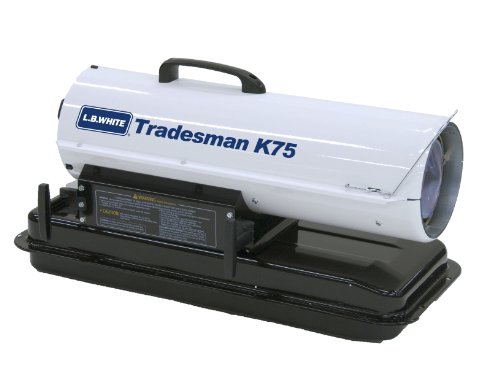
The K75 provides 75,000 BTU of portable heat, with the same multi-fuel capability that makes LB White a trusted name in construction heating. Like other Tradesman models, it uses a dual-prong ignition system and brass fuel fittings for enhanced durability in tough environments. This size is well-suited for mid-sized shops and outdoor job sites where dependable warmth is necessary but space or fuel economy is a consideration.
Owners benefit from the predictable, directional heat that these units provide. It is important to follow safety guidelines for fuel storage and fire risk reduction, especially in enclosed areas. Regular checks on ignition, motor integrity, and fuel lines help preserve performance over time.
Dayton 3VE51 Oil Fired Heater

The Dayton 3VE51 offers 170,000 BTU from an oil-fired torpedo heater, with a 13-gallon tank capacity. This model emphasizes steady, reliable warmth for shop environments where a fueled heater must operate for extended periods. It is designed for both indoor and outdoor use, with safety features suitable for heavy-duty applications. The unit provides strong heat output appropriate for larger work areas while maintaining fuel efficiency through its design.
For optimal performance, ensure proper ventilation and adherence to maintenance schedules such as cleaning burners and inspecting fuel lines. This helps reduce smoke and odors and maintains consistent heat delivery in demanding contexts.
GarveeHome 125,000 BTU Heater
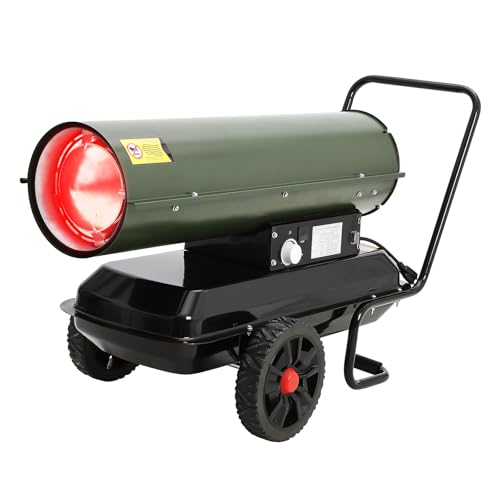
The GarveeHome unit provides 125,000 BTU and supports multiple fuels, including kerosene, diesel, home heating oil, and jet fuel (not gasoline). It is designed for outdoor job sites and garages, with a robust frame and temperature control to maintain consistent warmth. The long-running capability—up to eight hours on a full tank—makes it suitable for extended work sessions without frequent refueling. The fuel capacity is generous, helping keep productivity uninterrupted in cold conditions.
When using a multi-fuel heater, operators must verify fuel compatibility before filling the tank, as cross-contamination can affect performance and emissions. Regular inspections of seals, fittings, and ignition components will help ensure dependable, safe operation in various environments.
Buying Guide: Key Purchase Considerations
- Heat output and space size: Match BTU ratings to the volume of the space you intend to heat. Larger areas require higher BTUs and often larger tanks.
- Fuel compatibility: Many models support kerosene, No. 1 diesel, and No. 1 fuel oil. Confirm single-fuel operation per use and follow safety guidelines for handling fuels.
- Fuel capacity and run time: Tanks ranging 10–26 gallons allow longer operation between refills, reducing downtime on the jobsite.
- Durability and construction: Heavy-duty enclosures, brass fittings, and robust ignition systems extend service life in harsh environments.
- Controls and safety features: Thermostats, temperature displays, overheating protection, and automatic shutoffs protect workers and equipment.
- Portability and footprint: Consider weight, wheels, and dimensions when moving the heater between sites or storing it in limited spaces.
- Ventilation and safety: Adequate ventilation is essential. Follow local codes and manufacturer guidelines to prevent carbon monoxide buildup and fire hazards.
- Maintenance needs: Regularly inspect burners, filters, fuel lines, and ignitors. Clean or replace parts to sustain efficiency and reduce emissions.
- Warranty and support: Check what coverage exists for parts and labor, plus the availability of service in your region.
Overall, selecting a fuel oil torpedo heater involves balancing heat output, fuel flexibility, durability, and operational practicality. For large, semi-permanent spaces, higher BTU units with ample fuel capacity deliver sustained warmth. For mobile work sites or mid-size shops, mid-range BTUs paired with robust fuel options and dependable ignition provide reliable performance. Always prioritize safety, ventilation, and maintenance to maximize efficiency and minimize risk in demanding environments.