Best Fuel-Burning Space Heaters and Alternatives for Cold Spaces
When you need reliable warmth in a space without fixed heating, a fuel-burning space heater can deliver high heat output and fast comfort. This guide highlights propane and dual-fuel options that suit garages, workshops, cabins, and other non-central-heated areas, plus a practical electric option for comparison. The best picks target different needs: high BTU power for larger areas, portability for temporary spots, and safety features for homes with kids or pets. The following selections are ordered to help you compare by heat output, fuel type, and intended environment. A quick buying table at the top summarizes the top picks for quick reference.
| Product | Fuel Type | Best For | |
|---|---|---|---|
| Mr. Heater MH9BX | Propane (Gas) | Small spaces, off-grid use | 4,000–9,000 BTU/hr |
| Mr. Heater Portable Buddy | Propane (Gas) | Portable warmth, outdoors/indoor eligible | 4,000–9,000 BTU/hr |
| Mr. Heater 30,000 BTU Dual Fuel | Dual Fuel (Natural Gas/Lp, vent-free) | Large spaces, garage/workshop | 30,000 BTU/hr |
| Mr. Heater 20,000 BTU Dual Fuel | Dual Fuel | Medium spaces, living areas, cabins | 20,000 BTU/hr |
| WINHL Small Portable Electric Heater | Electric | Office/bedroom as electric backup | 1,500W max |
Mr. Heater MH9BX-Massachusetts/Canada Approved Portable Propane Heater

The MH9BX is a compact propane heater designed for spaces up to roughly 225 square feet. It provides a reliable radiant heat source and is built to meet portability and outdoor-use standards. Its safety features include an auto shut-off if tipped over, a pilot light monitor, and oxygen depletion detection in some configurations. This unit is best for small workshops, cabins, or off-grid rooms where electricity is limited. A key limitation is its reliance on a fuel source and ventilation considerations in enclosed spaces; ensure proper clearance and ventilation to minimize the risk of fumes accumulating.
Best for: Small rooms or workspaces where quick, focused warmth is required and electric heating isn’t practical. Choose this if you need a simple, portable propane heater with automatic shut-off features for added safety.
Mr. Heater Portable Buddy Radiant Propane Heater
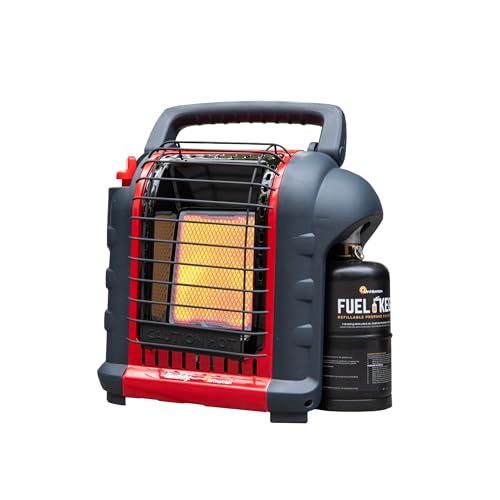
The Portable Buddy offers flexible heat with 4,000–9,000 BTU per hour and a compact footprint. It’s widely used for outdoor activities and can service small indoor areas with proper ventilation. It includes an automatic shut-off mechanism if tipped over or if oxygen levels drop. This model is best for portable warmth in garages, workshops, or tents, especially when you need to relocate heat quickly. A potential limitation is the need for continuous fuel supply and adequate ventilation in enclosed spaces.
Best for: Portable warmth in small to medium spaces or when you need a heater you can move between areas. Choose this if you want a compact, easy-to-transport propane heater with built-in safety shut-off.
Mr. Heater 30,000 BTU Vent Free Blue Flame Dual Fuel Heater

This 30,000 BTU dual-fuel unit heats up to 1,000 square feet and is vent-free, offering strong warmth for larger spaces like garages or open workshops. It runs on fuel flexibility and includes an electronic spark ignition (battery included). It’s best for larger rooms or semi-outdoor setups where venting can be managed. Limitations include the necessity for outdoor or well-ventilated use to avoid indoor fuel buildup and the need for a proper fuel supply and setup to ensure safe operation.
Best for: Large, open areas where consistent heat is needed and you can manage safe venting. Choose this if you want high BTU output without a vented chimney in a suitable space.
Mr. Heater 20,000 BTU Vent Free Blue Flame Dual Fuel Heater

This 20,000 BTU dual-fuel heater provides solid warmth for mid-sized areas and can run on either LP gas or natural gas with vent-free installation. It heats up to about 700 square feet and uses a battery-powered electronic spark ignition. It’s best for cabins, workshops, or living spaces where a proven, higher-output heater is needed without installing a vent system. A caution is that vent-free heaters may require proper room ventilation and adherence to local codes for indoor use.
Best for: Medium-sized spaces needing substantial heat with flexible fuel options. Choose this if you want reliable dual-fuel performance and vent-free operation in compliant spaces.
Aubkn or Similar Electric Space Heaters (Comparison Note)

Electric space heaters provide a different heating approach, converting electricity to heat without combustion. They are typically best for indoor spaces where ventilation concerns or fuel storage constraints exist. The listed electric option offers a thermostat, multiple modes, a 12-hour timer, and a quiet operation profile. This category is best for bedrooms, home offices, or as a backup heat source. A limitation is ongoing electricity cost and the absence of fuel-derived heat in power outages for many setups.
Best for: Indoor spaces where vent-free operation and electricity are preferred. Choose this if you want a safe, convenient electric option or need a quiet heater for a personal workspace.
Buying Guide
What size space do you need to heat?
BTU output is the primary metric. For small rooms under 200 square feet, 4,000–9,000 BTU units are typically adequate. For larger areas, look at 20,000–30,000 BTU dual-fuel options, ensuring your space can be warmed efficiently without overdoing heat output.
What fuel type fits your situation?
Propane heaters provide strong heat and portability but require fuel storage and proper ventilation. Dual-fuel models offer flexibility when gas lines aren’t available. Vent-free designs simplify installation but require correct room ventilation per local codes.
Ventilation and safety considerations
Fuel-burning heaters produce combustion byproducts. Ensure proper ventilation and adhere to clearance guidelines around walls, furniture, and combustibles. Auto shut-off, tilt sensors, and oxygen depletion sensors add safety, especially in rooms with children or pets.
Portability versus permanence
Portable units are ideal for garages, workshops, and temporary use. Stationary dual-fuel or vent-free models suit living areas or cabins where a longer-term heat source is needed. Consider whether you will relocate the heater or keep it in one spot.
Maintenance and setup
Gas-powered heaters require regular fuel supply management and periodic inspection of hoses and connections. Electric options require electricity access and safe cord management. Choose models with simple maintenance schedules and clear user manuals.
Usage scenarios and best practices
Use propane or dual-fuel heaters in well-ventilated spaces and keep a carbon monoxide detector in areas where combustion occurs. For households with kids or pets, prioritize models with tip-over protection, automatic shut-off, and flame-retardant materials to minimize risk.
FAQ
- Are fuel-burning space heaters safe for indoor use? They can be, when used according to the manufacturer’s instructions, with proper ventilation and safety features like auto shut-off and tilt protection.
- Do I need ventilation for vent-free propane heaters? Yes. Vent-free units still require adequate ventilation and must comply with local building codes for indoor use.
- What is the advantage of dual-fuel heaters? Dual-fuel heaters offer flexibility to use either propane or natural gas, expanding fuel options depending on availability.
- Can these heaters heat large spaces? Larger BTU models (like 20,000–30,000 BTU) can heat bigger spaces, but ensure the area is properly ventilated and within the unit’s recommended coverage.
- Is electric heat a good backup option? Yes, electric space heaters are a clean, vent-free alternative for spaces where fuel storage or ventilation is a concern.
- What safety features should I look for? Look for tip-over shut-off, overheat protection, oxygen depletion sensors, and flame-retardant construction for safer operation.