Best Forced Air Space Heaters for Quick, Top-to-Bottom Warmth
Forced air space heaters are often the first choice for fast, directional heating in garages, workshops, and work zones. This guide highlights five reliable options that blend power, safety, and portability. Electric models excel for smaller spaces or indoor use, while propane units push heat over larger areas and open spaces. Read on to compare features, installation needs, and performance, then use the buying guide to pick the right heater for your space and goals.
| Product | Brand | Key Capability | Best For |
|---|---|---|---|
| Dura Heat EUH1465 Electric Forced Air Heater | Dura Heat | 1500W PTC ceramic heat; pivoting base | Small spaces, workshops |
| Dura Heat EWH5510 Electric Forced Air Heater | Dura Heat | 17,060 BTU; 240V installation option; remote | Medium garages; larger rooms |
| InoKraft Maxheat MH125 | InoKraft | 125,000 BTU propane; auto on/off 25–95°F | Large garages; job sites |
| Mr. Heater 60,000 BTU Propane | Mr. Heater | 30,000–60,000 BTU; hose and regulator included | Open spaces; construction zones |
| Dreo 1500W Electric Space Heater | Dreo | PTC ceramic; remote; multiple modes | Home offices; indoor rooms |
Introduction content complete. The following sections explore each option in detail, with objective notes on capabilities, setup requirements, and what kind of space each model is best suited to heat.
Dura Heat EUH1465 Electric Forced Air Heater
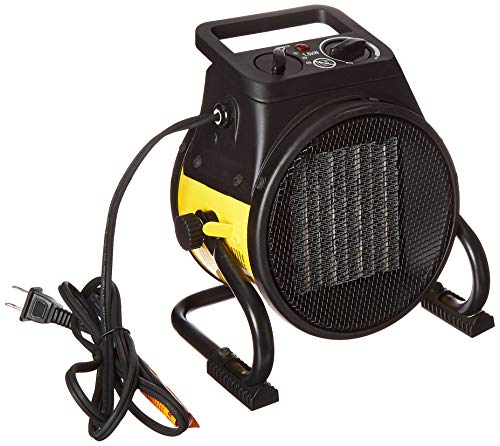
Capacity and build are the core strengths. It delivers 1500W of PTC ceramic heating for rapid warmth in compact spaces, and its rugged steel construction supports frequent use in garages and workshops. The pivoting base enhances directional heat, while heat and fan-only settings provide flexible use as an electric heater or air circulator. This model is best suited to smaller workshops or home spaces where quick warmth is required without venting concerns.
Dura Heat EWH5510 Electric Forced Air Heater

With a higher heating capacity, this unit covers larger spaces up to 750 square feet when installed for 240V operation. It uses electric heating with a 5,000W profile and a control system designed for easy monitoring. A remote control and adjustable thermostat add convenience, while the 30-amp installation requirement ensures the heater is wired for steady power. Best for medium garages or larger rooms where consistent electric heat is preferred and professional wiring is feasible.
InoKraft Maxheat MH125 125,000 BTU Propane Heater

Designed for large spaces, the MH125 delivers substantial warmth by blasting out 125,000 BTU across up to 3200 square feet. It features smart auto on/off control with a 25–95°F range, enabling precise adjustments for extended work periods. Heavy-duty forced-air design heats quickly, while multi-protection safety features help maintain safe operation in well-ventilated areas. This propane heater is well-suited for open garages, job sites, or farm buildings where ample ventilation exists.
Mr. Heater 60,000 BTU Propane Forced Air Heater
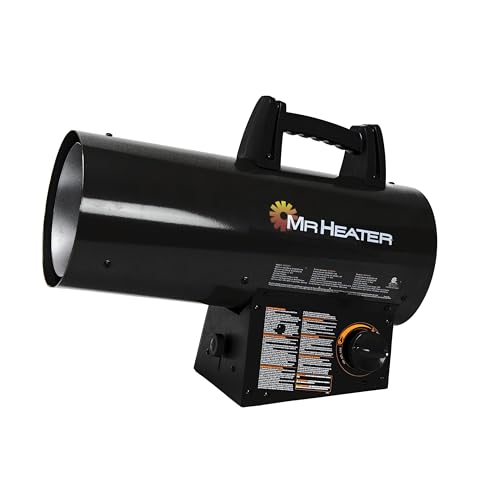
Variable heat output between 30,000 and 60,000 BTU makes this unit flexible for changing needs. The included 10-foot hose and regulator simplify setup, and a large glove-friendly handle aids transport. This propane heater is a solid choice for larger open spaces or construction sites where high heat output is required and ventilation is present. Users should monitor fuel availability and ensure safe operation in accordance with outdoor or well-ventilated indoor guidelines.
Mr. Heater 1500W Portable Ceramic Electric Heater

This electric option provides 1500 watts of heating for spaces up to about 170 square feet. Its compact design and ceramic heating element offer fast warmth and stable operation in home offices, workshops, or bedrooms. An accessible choice when you want portable electric warmth without venting, though it’s best for smaller rooms or zones rather than a whole shop.
Dreo Space Heater with Thermostat

Electric and highly adjustable, the Dreo model combines a robust 1500W PTC ceramic heating system with a smart thermostat and a remote. It offers multiple modes, a 12-hour timer, and a tilt-detection safety feature to reduce risk of tipping. The design emphasizes even heat distribution and energy efficiency, making it suitable for residence rooms, home offices, and other indoor spaces requiring reliable, programmable warmth.
Buying Guide: Key Considerations When Choosing a Forced Air Heater
Selecting the right forced air space heater depends on space size, fuel preferences, and installation constraints. Consider the following perspectives to balance performance, safety, and value.
- Space size and BTU/Watts: Electric units are typically best for smaller rooms (roughly under 400–500 sq ft per unit in practice), while propane models excel in larger, open spaces (often several hundred to thousands of sq ft). Match BTU output or wattage to the space you intend to heat.
- Fuel type and ventilation: Electric heaters require minimal ventilation and are generally easier to install indoors. Propane models deliver high heat but need adequate ventilation and appropriate clearance from combustibles. Check local codes and manufacturer guidance for outdoor vs indoor use.
- Installation and power needs: Electric heaters may require dedicated circuits (some models up to 30A for 5,000W). Propane units may need a liquefied gas supply, hoses, regulators, and, in some cases, proper mounting or stability provisions.
- Heat distribution: Consider models with adjustable heat angles, pivoting bases, or fans that help move warm air across a larger area. For workspaces, even air flow reduces cold spots and improves comfort for longer tasks.
- Safety features: Look for tip-over sensors, overheat protection, flame-retardant housings, and automatic shutoffs. Dreo’s tilt sensor, CSA/ETL ratings, and similar protections enhance safe operation in busy spaces.
- Noise and energy use: Portable electric heaters are often quieter, with energy-saving modes. Propane heaters can emit more noise and require thinking about fuel costs and storage.
- Maintenance and durability: Steel or metal housings support rugged environments like garages. Regular inspection of vents, hoses, and electrical connections prolongs life and safety.
- Portability vs. permanence: If you need a heater for varied sites, light and portable electric units or compact propane models work well. For a workshop fixture, heavier units with mounting options may be more suitable.
This guide presents a spectrum of choices—from compact electric heaters ideal for quick warmth to high-output propane solutions designed for open spaces. Evaluating your space, installation capabilities, and safety requirements will help determine which forced air heater delivers reliable comfort without compromising safety or energy use.