Best Emergency Propane Heater Options for Home and Outdoors
When power outages or cold snaps strike, a reliable propane heater can keep living spaces comfortable without relying on electricity. This guide highlights five high-performing, portable propane heaters suitable for indoor use (where permitted) and outdoor emergencies. We evaluate BTU output, safety features, heat coverage, and practical usability to help you choose a model that fits your space and needs.
| Product | Brand | BTU | Coverage (approx.) |
|---|---|---|---|
| 9,000 BTU Portable Buddy Radiant Heater | Mr. Heater | 4,000 or 9,000 | Up to 225 sq. ft. |
| Mr. Heater F215100 MH4B Little Buddy | Mr. Heater | 3,800 | Up to 95 sq. ft. |
| Propane Patio Heater, 18,000 BTU | Haoteey | 6,000 – 18,000 | Up to 450 sq. ft. |
| MOZODAWN 2 in 1 Propane Heater & Stove | MOZODAWN | 13,000 | 360-degree radiant heating |
| Cuisinart Portable Tabletop Heater | Cuisinart | 11,000 | Up to 30 sq. ft. |
9,000 BTU Portable Buddy Radiant Heater

This Mr. Heater unit delivers radiant heat at 4,000 or 9,000 BTU per hour, enabling flexible warmth for different spaces. It is designed and approved for both indoor and outdoor use and can heat roughly 225 square feet. Its compact form makes it suitable as a backup heat source during power outages or for temporary heating in workshops and garages. Safety features include standard overheat protection and stable operation in various environments, but always ensure adequate ventilation when used indoors per manufacturer guidelines.
Mr. Heater F215100 MH4B Little Buddy
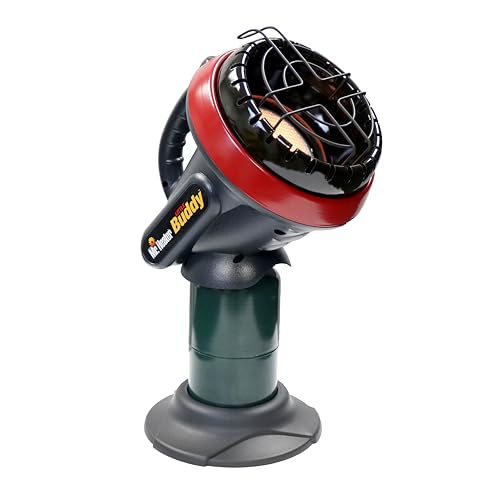
The Little Buddy offers 3,800 BTU per hour with a 45-degree heating angle, ideal for small spaces like tents or tiny rooms up to 95 square feet. It supports efficient operation at elevations up to 7,000 feet, maintaining warmth in enclosed areas. For safety, it includes an automatic low oxygen shut-off (ODS), cross-thread protection, and tip-over protection. It is portable and simple to operate with straightforward on/off control, delivering up to about 5.6 hours of runtime on a 1-pound cylinder (cylinder not included). Use in well-ventilated spaces and follow cautionary guidelines for indoor use.
Propane Patio Heater, 18,000 BTU by Haoteey

This outdoor propane heater provides a broad heating range from 6,000 to 18,000 BTU and can heat spaces up to about 450 square feet. It includes a built-in piezo ignition for easier startup and safety features such as an Oxygen Depletion Sensor (ODS) and a tip-over sensor. Its windscreen protects the ceramic panel and helps maintain warmth in outdoor conditions. The unit is designed for outdoor use and does not require electricity, making it a solid option for emergency outdoor heating and camping scenarios. It also includes a stable bottom structure to accommodate a 20-pound propane tank.
MOZODAWN 2 in 1 Propane Heater & Stove

This 2-in-1 unit combines a portable propane heater and stove, offering up to 13,000 BTU for heating up to 360-degree coverage plus cooking capability. It emphasizes stability with a stainless steel threaded interface and a sturdy handle for portability. The adjustable switch lets you control fire output, enabling quick warmth or cooking during outdoor activities or camp outings. It is designed for both indoor and outdoor use, provided adequate ventilation in enclosed spaces.
Cuisinart Portable Tabletop Patio Heater
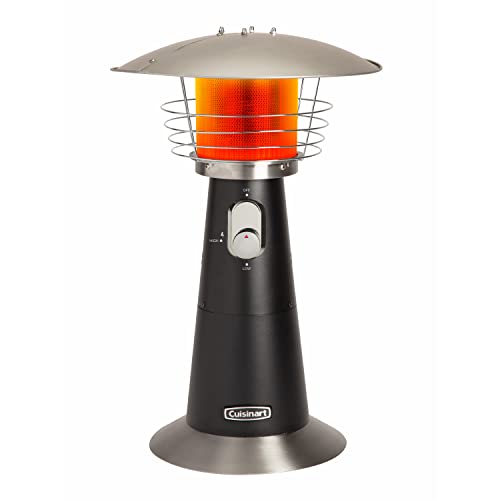
This tabletop heater offers 11,000 BTUs with a design tailored for smaller outdoor areas, providing efficient heating for up to about 30 square feet. It includes safety features like an anti-tilt shut-off and a burner screen guard. Its compact size makes it portable for tailgates, camping trips, and table-side warmth at the patio. The unit is user-friendly and pairs well with compact outdoor spaces where a larger heater would be impractical.
Buying Guide: Key Purchase Considerations
- Heat output and coverage: Select BTU levels aligned with your space. Higher BTU units heat larger areas, but for enclosed rooms ensure sufficient ventilation and follow safety guidelines to prevent buildup of combustion gases.
- Indoor vs outdoor use: Some models are certified for indoor use with safety shut-offs, while others are designed specifically for outdoor settings. Always follow manufacturer recommendations and local codes when using indoors.
- Safety features: Look for Oxygen Depletion Sensors (ODS), tip-over shut-off switches, and automatic shut-offs if ventilation is inadequate. Tabletop and wall-mounted options may offer different safety profiles depending on installation.
- Portability and setup: If emergency use is anticipated, prioritize lightweight, compact designs with simple ignition. Consider models with carrying handles or integrated stands for quick placement.
- Fuel logistics: Ensure you can access 20 lb or larger propane cylinders if needed, and confirm compatibility with your chosen heater. Some units are optimized for smaller cylinders, affecting runtime and convenience.
- Ventilation needs: Even with indoor-capable units, ensure proper air exchange and avoid prolonged use in poorly ventilated spaces to reduce carbon monoxide risk. Use CO detectors as a safety precaution.
- Durability and warranty: Outdoor and camping-oriented heaters should withstand exposure to the elements. Check for rust resistance, materials, and warranty coverage for long-term reliability.
- Maintenance and accessories: Some models require simple maintenance, including regulator checks and gas hose inspections. Keep spare parts and safety devices accessible in emergencies.
In emergency planning, pairing a propane heater with proper ventilation, a CO monitoring setup, and an adequate fuel supply can help maintain comfort and safety. Consider your space, typical climate, and how often the heater would be used to determine the best combination of BTU, safety features, and portability.