Best Electric Pipe Heaters for Winter Protection and Continuous Water Flow
Protecting pipes from winter freezes is essential for homes and small businesses in cold climates. Electric pipe heaters (heat cables or heat tapes) provide automatic, localized warmth to keep water flowing even when temperatures plunge. This guide highlights five reliable options and outlines key factors to consider when choosing the right solution for metal and plastic pipes. All items feature self-regulating designs and safety certifications to improve reliability during cold snaps.
Product Summary
| Product | Brand | Length | Power | Key Feature |
|---|---|---|---|---|
| HC6A Automatic Electric Heat Kit | Frost King | 6 Feet | 7W/ft | Keeps water flowing to -40°F |
| HC3A Automatic Electric Heat Kit | Frost King | 3 Feet | 7W/ft | Keeps water flowing to -40°F |
| HISD 6ft Self-Regulating Cable | HEATIT | 6 Feet | 7W/ft | CSA & ETL certified, built-in thermostat |
| HC12A Automatic Heat Kit | Frost King | 12 Feet | 7W/ft | Keeps water flowing to -40°F |
| MAXKOSKO 6 Ft Heating Cable | MAXKOSKO | 6 Feet | 5W/ft | Self-regulating, energy-saving |
The following sections review five of the most relevant options for preventing pipe freezes. Each product includes its own overview, installation considerations, and how its features support reliable pipe protection in freezing conditions.
Frost King HC6A 6‑Foot Heating Cable
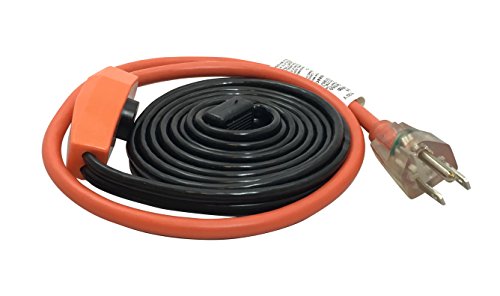
The Frost King HC6A is a 6-foot heat kit designed for quick deployment on metal or plastic pipes. It delivers approximately 7 watts per foot, offering substantial warmth to prevent freezing in moderate-length runs. The system is rated to keep water flowing down to temperatures as low as -40°F, making it suitable for exposed exterior lines or unheated spaces. Its straightforward installation requires direct wrapping along the pipe with a grounded plug for power. This model is a practical balance of length, heat output, and ease of use for standard residential piping scenarios.
Key considerations:
– Suitable for medium-length runs and straightforward installations.
– Self-regulating design reduces overheating risk.
– Ensure proper insulation over the cable when used in unheated spaces to maximize efficiency.
Frost King HC3A 3‑Foot Heating Cable

The Frost King HC3A provides a compact 3-foot heating solution, offering 7 watts per foot for shorter pipe runs. Like other Frost King models, it supports water flow protection down to -40°F and is designed for use with both metal and plastic pipes. Its shorter length makes it ideal for attaching to reached sections of piping or smaller, isolated segments such as under sinks or in tight crawlspaces. The installation remains simple and relies on a plug-in setup with automatic regulation.
Key considerations:
– Best for shorter pipe runs or targeted protection.
– Compatible with metal and plastic pipes.
– Paired with standard electrical outlets; consider securing with protective insulation for efficiency.
HEATIT HISD 6ft Self-Regulating Cable

The HEATIT HISD 6-foot cable emphasizes safety with CSA and ETL certifications, and a fully certified plug. It features a built-in thermostat and a self-regulating heating element that automatically adjusts heat output to prevent overheating. The manufacturer notes protections for water-filled plastic (including PEX) or metal pipes and includes a two-year warranty for long-term reliability. The kit is designed for straightforward installation and reliable operation in cold weather, especially where safety certifications are a priority.
Key considerations:
– Strong emphasis on safety certifications (CSA, ETL, UL plug).
– Built-in thermostat helps control temperatures automatically.
– Suitable for water-filled plastic and metal pipes; follow installation guidelines to avoid overlapping or crossing heating elements.
Frost King HC12A 12‑Foot Heating Cable
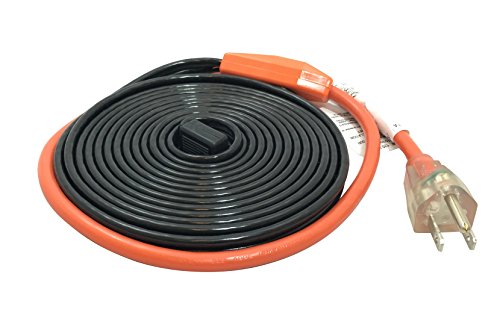
The Frost King HC12A extends coverage to longer pipe runs with a 12-foot heating length. This model delivers 7 watts per foot, maintaining water flow down to -40°F for both metal and plastic pipes. Its longer length makes it suitable for exposed outdoor spigots, outdoor faucets, or longer sections of uninsulated piping. Installation is straightforward: wrap or secure the cable along the pipe, ensuring the power supply reaches an outlet or power strip in a weather-protected location.
Key considerations:
– Ideal for longer pipe runs or outdoor applications.
– Maintain safe clearance from combustibles and ensure proper insulation around the cable.
– Verify the total load in the circuit to prevent tripping or voltage drop in very long runs.
MAXKOSKO 6 Ft Heating Cable

MAXKOSKO offers a 6-foot self-regulating heat tape designed for both metal and plastic pipes, providing energy-saving operation with a rated 5W per foot. A notable feature is the built-in self-regulating technology that automatically adjusts heat to prevent overheating and minimize energy consumption. The package mentions a three-foot power cord for easier connection and a thermostat-controlled operation that kicks in around 38°F, helping maintain continuous water flow in cold conditions.
Key considerations:
– Lower power option compared to some 7W/ft models, suitable for smaller loads or budget-conscious setups.
– Self-regulating and energy-efficient, reducing the risk of overheating.
– Ensure proper mounting and insulation to maximize efficiency and longevity.
Buying Guide
Choosing the right electric pipe heater involves comparing several factors to match your piping layout and climate. Consider these perspectives and questions to guide a sound purchase decision.
- Pipe material compatibility: Most heating cables work with both metal and plastic pipes, but verify if your pipes are PEX or copper, as some models show optimized performance for water-filled pipes.
- Length and coverage: Longer runs require longer cables. If you have multiple short segments, shorter cables or a kit with multiple units may be better than a single long run.
- Heat output and temperature targets: Typical ranges of 5–7W per foot balance energy use and protection. For extremely cold climates or outdoor exposure, prioritize higher wattage per foot and longer coverage.
- Self-regulating vs. fixed output: Self-regulating heat tapes reduce energy consumption and risk of overheating, while fixed-output variants may provide steady heat but need more careful installation.
- Safety certifications: CSA, ETL, and UL-listed components reduce risk in electrical installations. Ensure the plug and cable assembly meet applicable standards for your region.
- Installation environment: Outdoor or unheated spaces require proper insulation around the cable and protection from moisture. Use weatherproof enclosures where outlets are exposed to the elements.
- Cord length and power source: A longer cord increases flexibility but may add voltage drop concerns on longer runs. Verify outlet proximity and the circuit’s capacity to handle additional load.
- Maintenance and warranty: Look for warranties that cover the full system and clear replacement terms. Self-regulating designs often come with extended reliability promises.
- Safety practices: Do not wrap heating cables around joints or create overlapping turns. Follow manufacturer installation diagrams to avoid scorching or accidental damage.
- Environmental considerations: Self-regulating cables reduce energy waste, which benefits utility costs and reduces environmental impact in frequent use scenarios.