Best Electric Baseboard Heaters With Thermostats for Modern Homes
Choosing the right electric baseboard heater with a thermostat can improve comfort, energy efficiency, and control across rooms. This guide highlights five well-rated options, spanning smart thermostats and traditional convection heaters. Each entry covers key features, compatibility, safety, and user-focused benefits to help American homeowners compare quickly. Use the buying guide at the end to weigh installation needs, power compatibility, and smart-home integrations before purchasing.
Summary Of Selected Products
| Product | Brand | Highlights |
|---|---|---|
| Mysa Smart Thermostat LITE | Mysa | Line voltage, Wi-Fi, Apple/HomeKit/Alexa/Google, 120V-240V |
| Cadet F Series 48″ Baseboard Heater | Cadet | High heat output, easy wiring, universal mounting |
| Air Choice 33” Baseboard Heater | Air Choice | Fanless, large area coverage, remote control |
| Comfort Zone CZ600 Electric Baseboard | Comfort Zone | Two heat settings, safety features, stay-cool body |
| GiveBest Quiet Wall Heater | GiveBest | Ultra-quiet operation, child lock, timer |
Product Comparisons At A Glance
Smart control options with Mysa hold versatility for line-voltage setups, while Cadet, Air Choice, Comfort Zone, and GiveBest provide reliable convection or fanless designs suitable for bedrooms, living rooms, and home offices. Consider wiring compatibility, room size, noise level, and safety features when choosing a model that best fits your space.
Product Sections
Mysa Smart Thermostat LITE Front Runner For Baseboard Heaters
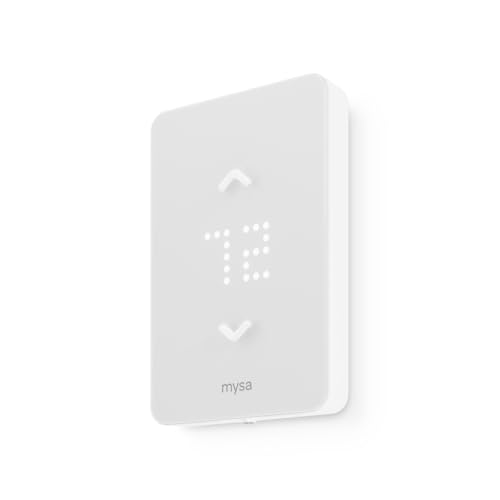
The Mysa Smart Thermostat LITE is designed for line-voltage electric baseboard heaters and other high-voltage heating units. It supports 120V-240V systems and can operate as a single-pole thermostat. The device integrates with HomeKit, Alexa, and Google Assistant, and offers remote control, scheduling, and energy reports without ongoing subscription fees. This model emphasizes ease of DIY installation and broad compatibility with common American home wiring. Suitable for retrofit projects and new installs, it provides a centralized way to manage room temperature from mobile devices.
Key details: 120V-240V support; works with single-pole configurations; free app with comprehensive features; compatible with smart home ecosystems. Pros include no ongoing subscription costs and robust control. Consider wiring readiness and whether you need dual-pole control for split-heat setups in larger spaces.
Cadet F Series 48″ Electric Baseboard Heater
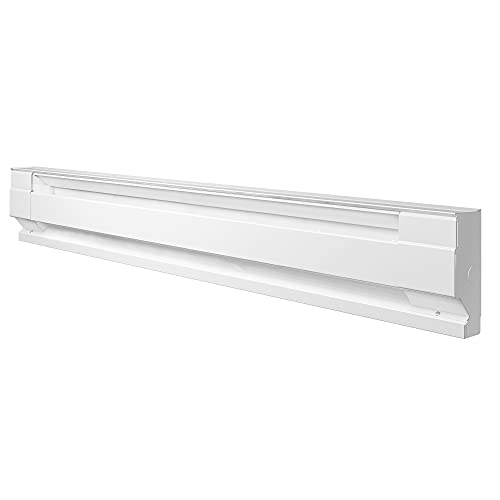
The Cadet F Series 48″ baseboard heater provides robust heat output with options for 240V or 208V operation, suitable for small to medium rooms. It features universal wiring and pre-punched knockouts at 1-inch intervals to simplify floor or wall mounting and reduce installation costs. A high-temperature safety shutoff adds a crucial safety layer for households. This model is well-suited for retrofit renovations or new builds where a straightforward electrical approach is preferred.
Key details: 1000/750W at 240/208V, simple installation, built-in safety shutoff. Pros include easy wiring and reliable heat, while cons might involve fixed wattage and wall/board size considerations for very large spaces.
Air Choice 33” Baseboard Heater With Remote

This 1500W, 33-inch baseboard model emphasizes a fanless design for quieter operation while delivering rapid heat across spaces up to roughly 270 square feet. It includes a remote and adjustable thermostat with a 12-hour timer. Note the top air outlet heats, so avoid direct contact, and it’s best used on hard surfaces due to low bottom clearance. A practical option for bedrooms or home offices where silent operation matters, with straightforward remote control and manual temperature settings.
Key details: fanless, 1500W, wide top outlet, remote control, 2 heat modes (700W/1500W). Pros: quiet, easy remote operation. Consideration: placement and surface type influence performance and safety around kids or pets.
Comfort Zone CZ600 Electric Baseboard Heater

The Comfort Zone CZ600 delivers 1,500 watts of convection heating with a two-heat setting thermostat. It emphasizes adjustable control to achieve the desired room temperature, with safety features including a tip-over switch and a stay-cool body. The unit is designed for medium-sized spaces and focuses on reliable performance along with straightforward installation. The CZ600 is a solid pick for homeowners seeking a traditional, durable baseboard heater with practical safety attributes.
Key details: two heat settings, adjustable thermostat, tip-over switch, stay-cool body. Pros: robust safety features and dependable heating. Considerations: conventional design without smart-home integration.
GiveBest Quiet Wall Heater With Thermostat

The GiveBest wall-mounted heater focuses on ultra-quiet operation with a stacked convection design, producing as low as 20dB, and even quieter in sleep mode. It features a high-precision thermostat (41-95°F) and a range of safety features including a child lock, overheat protection, and tip-over switch. This model is suitable for bedrooms and living spaces where low noise is essential while maintaining reliable ambient warmth. It offers flexible mounting and timer capabilities to fit diverse room layouts.
Key details: ultra-quiet operation, 41-95°F thermostat, child lock, timer. Pros: minimal noise, strong safety suite. Cons: fanless design may heat more slowly in very large rooms compared to forced-air units.
Buying Guide: Key Purchase Considerations
Consider these factors to select the right electric baseboard heater with a thermostat for your space:
- Power requirements and voltage: Verify whether your home wiring supports 120V, 208V, or 240V baseboard systems and confirm if you need single-pole or double-pole control for safety and efficiency.
- Heat output and room size: Match wattage to room dimensions. Larger rooms typically require higher wattage or multiple units to maintain even comfort.
- Thermostat features: Look for programmable schedules, adaptive or smart home integration (HomeKit, Alexa, Google), and energy monitoring capabilities to optimize usage.
- Noise and comfort: Fanless designs are quieter but may heat slower; fan-assisted units can warm spaces more quickly but may introduce sound.
- Safety: Prioritize tip-over switches, overheat protection, stay-cool housings, and child locks when applicable.
- Installation and maintenance: Consider ease of installation (universal mounting, knockouts), available support resources, and replacement parts.
- Smart home compatibility: If you use voice assistants or a smart home hub, choose models with broad compatibility and straightforward app control.
How To Choose Between Models
Smart thermostats like the Mysa LITE provide remote control, schedules, and energy reporting, which can reduce heating waste in intermittently used spaces. Traditional baseboard heaters from Cadet, Comfort Zone, and BEYOND HEAT emphasize reliable, straightforward heat with safety features and simple installation. For quiet environments such as bedrooms or nurseries, fanless options like Air Choice or GiveBest offer minimal noise, though heating may take longer in very large rooms. In spaces where you want precise digital readouts, BEYOND HEAT’s digital thermostat variants provide clear temperature readouts alongside familiar safety protections.
Decision tips by scenario:
– Small to medium rooms and smart-home users: Mysa LITE or Mysa 240V thermostat for integrated control.
– Quick, robust heating with simple wiring: Cadet F Series or Comfort Zone CZ600.
– Quiet spaces (bedrooms, nurseries): GiveBest or Air Choice fanless designs.
– Budget-conscious, reliable performance: Cadet and Comfort Zone options with essential safety features.