Best Duct Board Cutting Tools for Precise HVAC Duct Work
Answering the question: which duct board cutting tools deliver clean V-grooves and reliable end cuts for HVAC duct fabrication? This guide highlights five top options, each suited to different professionals and projects. Choose tools with durable blades, stable sled frames, and replaceable blades for long-term value. The top picks focus on V-groove cuts for foldable joints and straight cuts for end joints, helping you achieve professional-grade duct assemblies.
| Product | Best For | Why It Stands Out |
|---|---|---|
| Malco Cut Duct Board Cutting Tool – Black | V-groove cuts, general duct board fabrication | Precision 1″ V-cut, corrosion-resistant blades |
| Malco DT15V 1.5″ V-Cut Duct Board Cutting Tool | 1.5″ V-groove joints | Large V-cut capability with high-grade blades |
| Malco DT15C 1.5″ Duct Board Cut-Off Tool | End cuts and straight cuts | Heavy-duty sled frame for straight, square finishes |
| Sumglicie DT15V 1.5″ V-Cut Tool | Professional V-groove accuracy | Replaceable blades, reinforced sled |
| ZENNANPOO V-Cut Duct Board Cutting Tool | 1.5″ V-cut for duct panels | Corrosion-resistant blade, precise cuts |
The following sections describe each product, including who it’s best for, why it was selected, and any practical limitations to know before you buy. A concise buying guide and a quick FAQ follow to help with final decisions.
Malco Cut Duct Board Cutting Tool – Black

The Malco Cut Duct Board Cutting Tool is a compact option designed for clean 1″ V-cut grooves on foldable duct board joints. Best for general HVAC fabricators who perform frequent V-groove work in tight spaces. Features include a durable, heat-treated stainless steel blade and a black tool body that resists corrosion. Choose this if you need a reliable V-cut tool with precise edge control for standard 1″ joints. A potential limitation is if you regularly work with thicker 1.5″ boards, in which case a larger V-cut capacity may be preferable.
Malco DT15V 1.5″ V-Cut Duct Board Cutting Tool
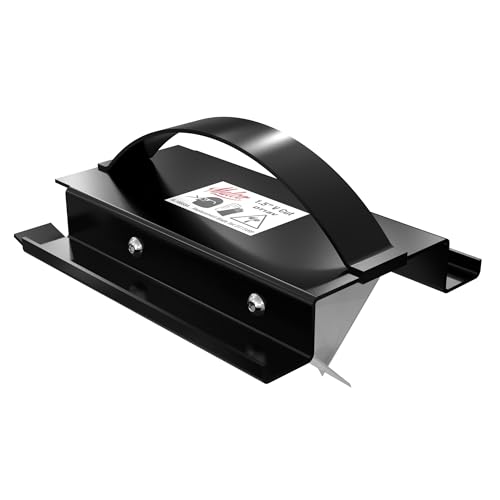
Best for 1.5″ duct boards, this Malco V-cut tool delivers clean, precise grooves for larger joints. It uses high-grade, heat-treated stainless steel blades that resist corrosion and retain their edge through long jobs. The tool’s 1.5″ V-cut capacity makes it ideal for contractors fabricating thicker duct sections. Best for professionals who frequently work with 1.5″ panels. A caution: ensure you have adequate clearance to operate the tool’s blade geometry in tight installations.
Malco DT15C 1.5″ Duct Board Cut-Off Tool
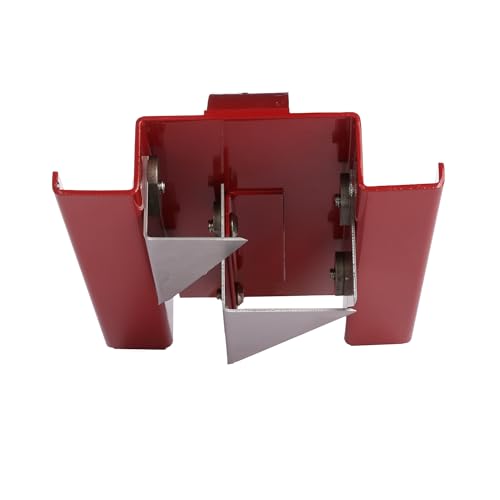
The DT15C is specialized for end cuts on 1.5″ fiberglass duct board. Its heavy-duty steel sled frame provides stability for square, flush ends, which helps create seamless transitions between panels. The tool uses heat-treated stainless steel blades for edge retention and corrosion resistance. It’s best for professionals prioritizing straight, clean end cuts over groove work. A limitation is that it focuses on end cuts; for V-grooves, you’d need a dedicated V-cut tool.
Sumglicie DT15V 1.5″ V-Cut Duct Board Tool

Sumglicie’s DT15V aims at precision V-groove cuts for 1.5″ boards, with a reinforced steel sled frame that helps maintain straight cuts under demanding conditions. Replaceable heat-treated stainless blades provide long-term value and quick changes when sharpness declines. This tool is ideal for pros who want a robust, affordable option with dependable edge retention. Avoid this if you frequently cut thicker boards beyond 1.5″ or require broader V-groove capacity, which may demand a larger tool.
ZENNANPOO V-Cut Duct Board Cutting Tool

The ZENNANPOO V-cut tool is designed for 1.5″ duct panels, offering fast, precise V-groove cuts with a corrosion-resistant, high-grade stainless blade. Best for contractors who prioritize quick setup and repeatable results on standard 1.5″ boards. A limitation to consider is blade wear in heavy-use environments; replacement blades should be readily available to minimize downtime.
Buying Guide: Key Considerations For Duct Board Cutting Tools
- Cutting capacity: Match the tool’s V-groove or end-cut capacity to your duct board thickness (common sizes include 1″ and 1.5″).
- Blade material and replaceability: Heat-treated stainless blades resist corrosion and hold edges longer; ensure replacements are accessible.
- Sled frame construction: A heavy-duty steel sled helps keep straight cuts and stable handling, especially on larger joints.
- Intended use: V-cut tools excel for foldable joints; cut-off tools focus on straight and end cuts. Some models cover both needs; prioritize features accordingly.
- Jobsite conditions: Consider weight, ease of blade changes, and how well the tool holds up under field use (dust, vibration, and temperature exposure).
Practical Comparison At A Glance
- Best for quick V-groove work on 1″ boards: Malco Cut Duct Board Cutting Tool – Black
- Better for larger V-grooves on 1.5″ boards: Malco DT15V 1.5″ V-Cut
- Best for clean end cuts on 1.5″ boards: Malco DT15C
- Professional-grade V-cut versatility with replaceable blades: Sumglicie DT15V
- Balanced all-round V-cut tool with corrosion-resistant blade: ZENNANPOO V-Cut
Frequently Asked Questions
- What is a V-cut duct board tool best used for?
Answer: V-cut tools create grooves that allow duct panels to fold and join tightly, reducing gaps and improving seal integrity. - Should I choose a cut-off tool or a V-cut tool for most jobs?
Answer: For most duct-board installations, a V-cut tool handles groove joints well, while a cut-off tool is ideal for end cuts and straight joints. - Are replaceable blades important?
Answer: Yes. Replaceable blades extend tool life and maintain sharp cuts, reducing rework on job sites. - Is heavier sled framing worth it?
Answer: For frequent or large-diameter cuts, a heavy-duty sled frame improves stability and accuracy on uncooperative panels. - Can these tools cut thicker than 1.5″ boards?
Answer: Most common models target 1″ to 1.5″ boards; check each tool’s specifications to confirm maximum thickness.