Best Double Wall B-Vent Pipe for Safe Home Heating and Venting
Double wall B-vent pipes are designed to vent gas appliances safely, with improved insulation to protect surrounding materials and maintain efficient draft. This guide highlights five top options, focusing on suitability for residential heaters, fireplaces, and stoves. Each choice targets different needs—flexibility, durability, or ease of installation—so buyers can pick confidently. The following sections explain who should consider each product and the trade-offs to expect.
Summary of chosen products:
- Metal-Fab 4″ x 12″ Adjustable Length Type B Double Wall Round Gas Vent Pipe UL Listed with SureLock Technology
- DuraVent 4GV18 4″ Inner Diameter Double Wall Round Gas Vent Pipe
- DuraVent 5BVL90 5″ Dia. 90 Degree Inner Type B Round Double Wall Elbow
- DuraVent 3GV48 3″ Inner Diameter Double Wall Pipe
- DuraVent DVL 6DVL-24 Easy to Install 6 Inch Galvanized Double Wall Wood Stove Pipe
Metal-Fab 4″ x 12″ Adjustable Length Type B Vent Pipe

Best for: Homeowners needing a flexible, lockable double-wall vent with secure joining. The SureLock locking system helps prevent accidental separation, making it suitable for long runs in basements or utility rooms.
Why chosen: This option offers a locking mechanism designed to maintain a tight, twist-lock connection. It’s UL-listed for use with approved appliances, and its 1.5″ overlap when joined is a known assembly characteristic that impacts exact length planning.
Caution: The assembly length is 1.5″ shorter than the combined pieces due to overlap, so plan lengths accordingly to fit ceiling clearances and appliance locations.
DuraVent 4GV18 4″ Inner Diameter B-Vent

Best for: Home renovations requiring a standard 4″ inner diameter vent with straightforward installation for gas appliances or fireplaces.
Why chosen: The 4GV18 is compact yet robust, offering a reliable double-wall design and easy in-and-out fit for typical installations. It’s suited for straightforward vent runs where space is a consideration.
Caution: Ensure compatibility with the specific appliance’s venting requirements and local code approvals before use.
DuraVent 5BVL90 5″ Elbow, Double Wall

Best for: Projects needing a 90-degree elbow to navigate around obstructions or to achieve a precise vent path for multi-room layouts.
Why chosen: The double-wall construction and UL listing provide temperature control and safety in complex runs, with flexibility to offset obstructions as needed.
Caution: Elbow components can add more joints to a run; verify overall exhaust clearance and draft requirements for your appliance.]
DuraVent 3GV48 3″ Inner Diameter Pipe
Best for: Small-diameter venting needs, such as compact gas fireplaces or space-constrained installations.
Why chosen: The 3″ inner diameter is suitable for certain appliances and draft configurations, while the double-wall design helps manage heat transfer and safety.
Caution: This size may not fit larger appliances; confirm the appliance’s venting requirements and available clearances before purchasing.
DuraVent DVL 6DVL-24 Wood Stove Pipe
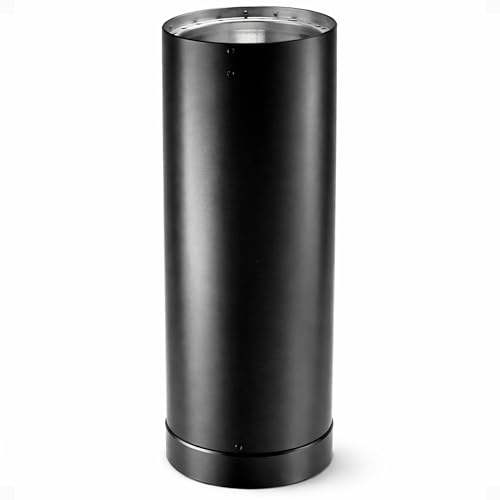
Best for: Wood stove users seeking a double-wall system that maintains high draft temperatures and minimizes creosote buildup.
Why chosen: This option features a double-wall design that supports safe venting of smoke and exhaust from wood, oil, coal, or gas fuels, with straightforward installation for quick setup.
Caution: The product is designed for wood-burning installations; verify compatibility with any alternative fuel appliances if mixing vent types.
Buying Guide
- What size do I need? Consider the appliance’s vent connection diameter and the available attic or crawlspace clearance. Double-wall B-vent pipes commonly come in 3″ to 6″ diameters.
- Is locking or mechanical connection important? Some models, like the SureLock system, offer twist-lock connections that resist separation. If you remodel or retrofit, a secure fit matters for safety and fewer air leaks.
- What about elbows and offsets? Elbows help navigate obstacles, but more joints can increase resistance to exhaust flow. Plan a balance between fit and efficient drafting.
- UL listing and compatibility: Ensure the venting system is UL-listed for your appliance type and that the materials match the requirements of your heater, fireplace, or furnace.
- Material choices: Double-wall B-vent pipes can be galvanized or aluminum, with some wood-stove pipes offering stainless variants. Choose based on fuel type, temperature, and exterior exposure expectations.
FAQs
- What is a double-wall B-vent pipe? It is a venting system with an inner and outer wall designed to provide safe exhaust for gas appliances, reducing heat transfer to surrounding materials.
- Do all B-vent pipes require UL listing? Yes, UL listing verifies safety and compatibility with approved appliances and installations.
- Can I use a B-vent elbow in a straight run? Yes, but plan the layout to minimize joints while meeting clearance requirements and draft needs.
- How do I know what diameter to choose? Check the appliance’s vent connection size and the available space for the vent path; select a diameter that matches both the appliance and the installation constraints.
- Are there maintenance concerns with double-wall vents? Regular inspection for corrosion, leaks, and proper clearance is advised; follow local codes for cleaning intervals based on usage.
- What is the risk of shortening the vent length? Shortening can affect venting performance; ensure the final length meets the appliance’s venting requirements and code guidelines.