Best Boiler Auto Fill Valve Solutions for Efficient Hydronic Heating
If you’re upgrading a boiler or replacing a failing fill valve, this guide helps you pick reliable auto-fill options. These valves automatically maintain boiler pressure, prevent dry firing, and streamline system filling. The best choice depends on your system type, connection size, and preferred build (brass vs. steel, backflow protection, and ease of installation). Below are five dependable models that cover common residential setups and offer clear advantages for different needs.
Summary of selected products:
| Product | Best For | Key Benefit | Inlet Connection |
|---|---|---|---|
| Caleffi 553642A AutoFill Automatic Boiler Filling Valve | New installs and replacements | Integrated gauge for quick pressure checks | 1/2-Inch MNPT |
| Watts Automatic Fill Valve, B911S-M3 | Standard boiler fills | Combination feed water regulator and backflow preventor | Standard boiler line |
| Caleffi 553542A AutoFill Automatic Boiler Fill Valve | Stable pressure maintenance | Maintains set pressure with clear stop feature | 1/2-Inch MNPT inlet |
| Taco 334-T3 Boiler Feed Valve | Systems needing backflow prevention | Built-in backflow preventer with pressure reducing capability | Standard 1/2-Inch NPT |
| Taco 329-T3 Cast Iron Valve | Rugged, durable installations | Adjustable 10-25 PSI with fast fill | 1/2-Inch FPT |
Caleffi 553642A AutoFill Automatic Boiler Filling Valve
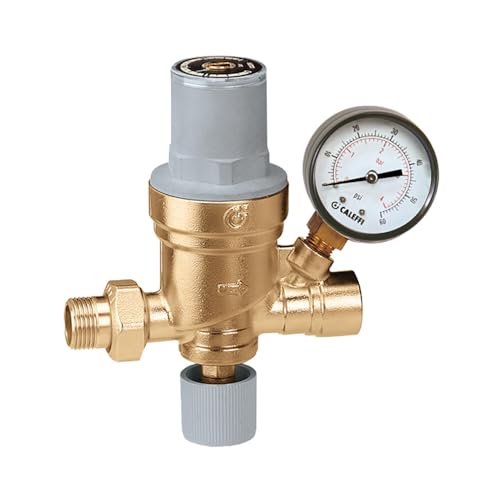
The Caleffi 553642A AutoFill Valve includes a gauge for on-the-spot pressure verification. It is suited for standard residential boilers that require automatic replenishment when pressure falls. The 1/2-Inch MNPT inlet ensures straightforward installation into common piping layouts. This model is ideal for homeowners seeking a compact, gauge-equipped option that keeps pressure within a stable range.
Best for: New installs or replacements in homes needing visible pressure monitoring. Limitations: Gauge readings depend on correct installation orientation and may require routine verification to ensure accurate readings.
FB-38 1/2″ NPT Pressure Reducing Valve, 110192 Make-Up For Residential Hydronic

The FB-38 1/2″ pressure reducing valve provides automatic make-up for boiler systems with a factory preset 12 PSI setting (adjustable 10-25 PSI). It includes a built-in backflow preventer and a 25 PSI relief function, helping protect pipes and components from pressure surges. It’s crafted in brass and rated for higher temperatures, supporting dependable operation in typical hydronic systems.
Best for: Systems needing reliable automatic make-up with integrated backflow protection. Limitations: Resetting beyond the factory range can be necessary if system dynamics change significantly.
Watts Automatic Fill Valve for Hot Water Boiler, B911S-M3

The Watts B911S-M3 combines a feed water regulator and backflow preventer, enabling quick system filling and purging. This model is commonly used in hydronic heating setups where a compact, integrated solution streamlines maintenance and refill operations without sacrificing backflow safety.
Best for: Homes that want an all-in-one fill and backflow protection package. Limitation: The device’s performance relies on correct regulator adjustment and proper purging during setup.
Caleffi 553542A AutoFill Automatic Boiler Fill Valve

This Caleffi model emphasizes maintaining pressure at a stable value. It stops water flow once the set pressure is reached, helping maintain a consistent boiler fill. With a 1/2-Inch MNPT inlet, it pairs well with standard 1/2-inch lines and is suitable for installations where precise pressure control is important.
Best for: Installers prioritizing stubbornly stable pressure with straightforward MNPT connections. Caution: Ensure the set pressure aligns with your boiler’s required operating range.
Bell and Gossett 110192 Fb-38 Pressure Reducing Valve
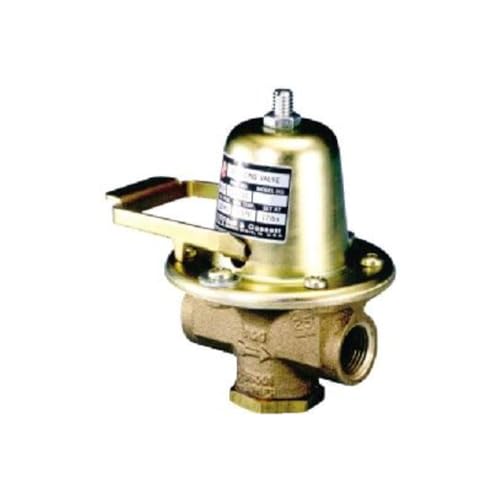
The Bell & Gossett 110192 FB-38 is a robust pressure reducing valve with integrated protection features. Marketed for residential hydronic systems, it focuses on reducing incoming pressure and maintaining steady operation. The unit’s dimensions and general construction support compatibility with common installation footprints.
Best for: Users needing a dependable backflow-aware reducing valve in a busy system. Limitation: The listing references packaging and origin details rather than performance specs; verify fit for your piping before purchase.
Taco 334-T3 Boiler Feed Valve

The Taco 334-T3 is a pressure reducing valve with a backflow preventer. It is designed for standard boiler feeds with reliable fill rates. The product listing notes its default style and weight, indicating a straightforward installation suited to typical residential setups.
Best for: Installations needing integrated backflow with reliable fill control. Caution: Ensure the valve’s PSI range matches your boiler’s operating pressure requirements.
Caleffi 573009A 1/2-Inch AutoFill and Back Flow Preventer

This model combines auto-fill with a backflow preventer, featuring anti-stick materials and a removable filter cartridge. It’s designed for durability under heat exposure and high discharge pressure. If you’re replacing an older unit in a harsher environment, this option provides a robust, easy-to-service path.
Best for: More demanding installations where debris and heat resistance matter. Limitation: Higher maintenance potential due to the removable filter cartridge.
Taco 329-T3 Cast Iron 1/2-Inch FPT x 1/2-Inch FPT Valve

The Taco 329-T3 valve offers a cast-iron construction with 1/2-Inch FPT connections and an adjustable 10-25 PSI range. It includes a built-in check to prevent system emptying when pressure drops. It is well-suited for traditional boiler rooms with cast-iron piping and older installations requiring durable hardware.
Best for: Systems needing rugged construction and a reliable fill with a safety check. Limitation: Heavier than brass models; installation may require a heavier mounting approach.
Buying Guide: Key Considerations For Auto-Fill Valves
- Connection size and type: Confirm MNPT vs FPT, and ensure compatibility with your boiler fittings and piping layout.
- Pressure range: Look for valves with adjustable ranges that align with your boiler’s operating pressure (often around 10-25 PSI).
- Backflow prevention: Decide if you need an integrated backflow preventer for contamination protection.
- Material and durability: Brass and cast iron offer different durability profiles; consider environmental conditions and future maintenance needs.
- Gauge presence: A built-in gauge provides quick pressure checks, which is useful for maintenance and troubleshooting.
- Maintenance and service: Removable filters or easy disassembly can simplify routine cleaning and replacement parts.
- Installation complexity: Some models are plug-and-play, while others may require professional piping adjustments or purging steps.
Frequently Asked Questions
- What is an auto-fill valve for a boiler?
An auto-fill valve automatically replenishes water in the boiler to maintain the desired pressure, preventing dry firing and maintaining heating efficiency.
- Do all boilers need a backflow preventer?
Not all setups require one, but many jurisdictions and system configurations benefit from backflow protection to prevent contaminated water from re-entering the potable supply.
- Which valve is best for a small hydronic system?
For smaller systems, a compact unit with a built-in gauge and straightforward 1/2-Inch connections, such as the Caleffi or Watts options, is typically suitable.
- What maintenance is required for auto-fill valves?
Check for leaks, inspect gaskets, and periodically purge to remove trapped air. Some models feature removable filters that should be cleaned or replaced as needed.
- Can I install these valves myself?
Many residential installations can be done by a competent DIYer with basic plumbing skills, but complex piping or gas-fired boiler configurations may require a licensed professional.
- How do I choose between brass and cast iron?
Brass is lighter and corrosion-resistant for standard residential use, while cast iron offers rugged durability for harsh environments or older systems.