Best Baseboard Heaters for Home Comfort and Efficiency
Baseboard heaters offer straightforward, zone-based heating for personal comfort throughout living spaces. This guide highlights five reputable options, ranging from Cadet’s electric series to versatile models from Comfort Zone, EZ-HEAT, and Air Choice. Each product is evaluated for power, installation, safety, and practical room coverage to help American homeowners choose a reliable baseboard heating solution for small to large rooms.
Product Quick Summary
| Product | Brand | Type | Watts | Voltage |
|---|---|---|---|---|
| Cadet F Series 4F1000W | Cadet | Electric Baseboard | 1000W / 750W | 240/208V |
| Cadet F Series 3F750-1W | Cadet | Electric Baseboard | 750W | 120V |
| Cadet F Series 6F1500W | Cadet | Electric Baseboard | 1500W / 1125W | 240/208V |
| Comfort Zone CZ600 | Comfort Zone | Electric Baseboard | 1500W | 120V |
| Air Choice 33” Baseboard Heater | Air Choice | Electric Baseboard | 1500W | 120V |
Cadet F Series 4F1000W: Powerful Small-Room Heat
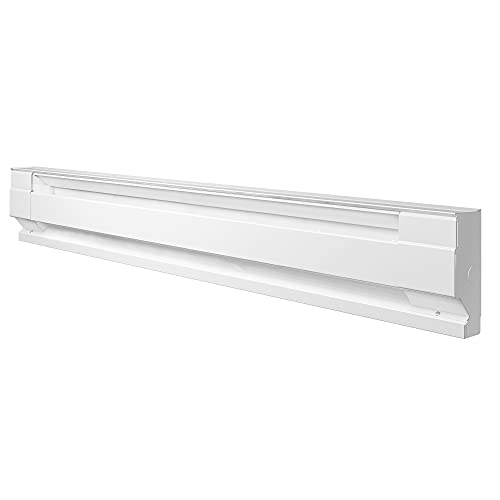
The Cadet F Series 4F1000W provides flexible heating for small to medium-sized rooms with dual power settings of 1000W and 750W at 240/208V. Its universal wiring and 1-inch interval knockouts simplify installation for wall or floor mounting, helping reduce upfront labor costs. A high-temperature safety shutoff adds essential protection for households. With a sleek white finish, this model blends into most décors while delivering steady, distraction-free warmth for spaces like bedrooms or home offices.
Key features include straightforward wiring, durable steel construction, and an emphasis on user safety. The unit’s compact 48-inch size makes it a practical choice for retrofit projects or new builds where discrete heating is preferred. For homeowners pursuing independent climate control, multiple Cadet F Series units can be combined to tailor heat to different zones without boosting overall house temperature.
Cadet F Series 3F750-1W: Compact and Reliable
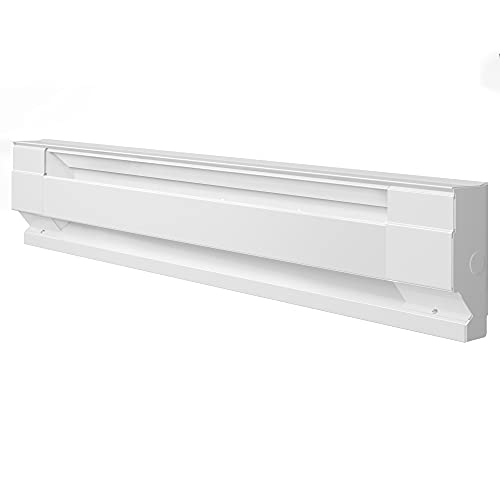
The Cadet 3F750-1W is a 750-watt unit designed for spaces that require efficient, low-profile heat. It features a 120-volt configuration and is built with 25-gauge steel and a powder-coated finish for durability. While it requires a thermostat to modulate heat, its smaller footprint suits smaller rooms or zones where constant temperature control is essential. The unit is easy to install with standard mounting options and is compatible with common electrical wiring practices.
In terms of safety and longevity, Cadet emphasizes solid metal construction and straightforward operation. This model works well in home offices, sunrooms, or bedrooms that benefit from steady, zone-based warmth without complex controls or features. A thermostat (external or integrated) helps maintain comfortable temperatures while minimizing energy use in less-used spaces.
Cadet F Series 6F1500W: High-Capacity Zone Heating

The Cadet 6F1500W model offers robust heating for larger rooms or open floor plans, delivering up to 1500W (1125W in some configurations) at 240/208V. Like other Cadet F Series heaters, it uses universal wiring and pre-punched knockouts to simplify installation while maintaining clean aesthetics with a white finish. A thermostat is required, enabling precise temperature control and better energy management in family rooms or basements where consistent comfort is needed.
Durability and safety are central to this unit. The baseboard heater employs all-metal construction with powder coating, ensuring longevity in high-traffic areas. For homes with variable occupancy, multiple units can be deployed to zone heat specific areas, delivering warmth where it matters most without overheating unoccupied spaces.
Baseboarders Hydronic Cover: Caution for Hydronic Use

Baseboarders offers hydronic baseboard heater covers designed for hot water systems rather than electric coils. This 5-foot galvanized steel cover with endcaps provides durable protection and a safer finish for hydronic installations. It is not intended for electric baseboard heaters, so it is best used when the heating system uses circulating hot water rather than electric coils. The cover’s robust construction helps prevent contact with hot surfaces and reduces dust collection on exposed fins.
When selecting a cover, homeowners should confirm compatibility with their specific heating system type. Hydronic covers address safety concerns and maintenance needs for hot-water heaters, while electric baseboard units typically rely on their own metal enclosures and thermostatic controls. Understanding the system type avoids mismatches and ensures optimal performance and safety.
Cadet F Series 24″ 2F350W: Compact Electric Heat
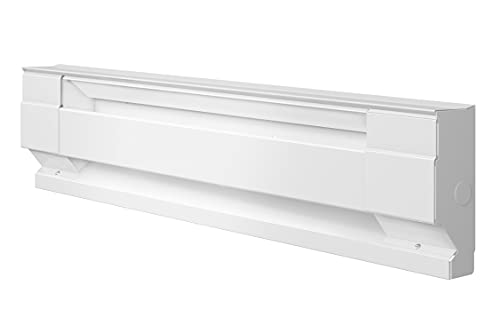
The Cadet 2F350W model is a compact 350/262-watt electric baseboard unit designed for smaller rooms or as a supplemental heat source. It offers a white powder-coated steel construction and relies on a thermostat to regulate temperature. Suitable for spaces like closets, bathrooms, or compact home offices, this model provides a cost-effective entry point into baseboard heating. For upgraded comfort, pair it with an efficient thermostat to minimize heat loss during off-peak hours.
The unit’s simplicity and durability make it a practical addition where discrete heating is desired without compromising space. Care should be taken to ensure electrical capacity and wiring meet local codes, especially when integrating multiple baseboard units in a single zone or room.
EZ-HEAT 1,500W Baseboard: Durable and Safe

The EZ-HEAT 1500W baseboard model is designed for medium-sized rooms with two heat settings and an adjustable thermostat. Its safety features include tip-over protection, overheat protection, and stay-cool surfaces to prevent accidental burns. The device is engineered for quiet operation to maintain a calm living environment while delivering reliable warmth. This unit is suited for home offices, bedrooms, or living areas where consistent heat is desired without intrusive noise.
Installation considerations include verifying wall space and electrical capacity, especially if upgrading from older baseboard systems. Coupled with proper thermostat control, EZ-HEAT units can offer balanced room temperature and energy efficiency, reducing hot and cold spots across living spaces.
Air Choice 33” Baseboard Heater: Modern Convenience

The Air Choice 33” baseboard heater provides 1500W of electric heat with a top air outlet for quick distribution across larger rooms. The included remote and adjustable thermostat offer flexible control, while a 12-hour timer and safety features—overheat and tip-over protection—enhance usability in living spaces, offices, or studios. The sleek profile complements modern interiors, and the edge-to-edge heating design supports rapid warmth without requiring extensive ductwork.
Consider this option for open-plan rooms or spaces that struggle to maintain even temperatures with traditional radiators. The remote control and timer enable hands-off operation, reducing energy use when rooms are unoccupied. However, ensure the unit’s wattage aligns with room size and electrical service to maximize efficiency and safety.
Buying Guide: Key Considerations For Selecting Baseboard Heaters
- Room size and heat load: Match wattage to the space. Larger rooms benefit from higher-wattage models or multiple units to prevent cold spots.
- Electrical service and compatibility: Confirm available voltage (120V vs. 240V) and circuit capacity. Some units require dedicated circuits or thermostats.
- Thermostat control: Look for adjustable thermostats with accurate sensing to maintain steady comfort and energy efficiency.
- Safety features: Prioritize tip-over protection, overheat protection, and stay-cool surfaces, especially in homes with children or pets.
- Installation preferences: Wall-mount versus floor placement, and whether universal wiring knockouts are included, can affect installation cost.
- Durability and material: Steel enclosures with powder coating resist dents and corrosion, enhancing longevity in busy spaces.
- Noise and comfort: Most baseboards operate quietly, but verify any fan-assisted or convection elements if available.
- System compatibility: Hydronic vs. electric baseboards require different accessories and covers; choose components suited to your heating system.