Best Air Conditioning Mini Split Systems for Quick, Efficient Home Cooling
Answering the key buyer question: which mini split air conditioner best fits your space and energy goals? This guide highlights five top options for American homes, each selected for efficiency, installation practicality, and suitability for rooms up to 750 sq ft. Ideal buyers include: budget-conscious households seeking energy savings, tech enthusiasts who want WiFi control, and renters or remodelers needing easy, DIY-friendly setups. Below, you’ll find concise product snapshots, a straightforward buying guide, and essential FAQs to compare features side by side.
| Product | Best For | Coverage | Key Benefit |
|---|---|---|---|
| GarveeHome SEER 18.5 | Energy savers who want DIY control | Up to 750 sq ft | Smart WiFi with 24/7 comfort options |
| YITAHOME 12000 BTU | Alexa users seeking quiet operation | Up to 750 sq ft | High SEER2, health mode |
| ROVSUN 9000 BTU | Compact rooms and budget-friendly setups | Up to 400 sq ft | Strong energy saving with 19 SEER |
| Senville LETO 12000 BTU | All-season convenience with voice control | Up to 1 ton (approx. 400-700 sq ft) | Alexa-enabled, 20.8 SEER2 |
| Tehanld 12000 BTU | Balanced option with inverter efficiency | Up to 750 sq ft | R32 refrigerant, 19 SEER2 |
GarveeHome SEER 18.5 Mini Split A/C System

Best for energy-conscious buyers seeking all-in-one cooling and heating with smart connectivity. This 12,000 BTU unit covers up to 750 sq ft and uses inverter technology to reduce energy costs by up to 30%. The DIY installation kit includes line sets, a drain hose, a remote, and a step-by-step guide. A caution: although pre-charged, the refrigerant requires vacuumization during installation for optimal performance. Best for homes prioritizing WiFi control via a dedicated app and remote management.
YITAHOME 12000 BTU Mini Split With WiFi
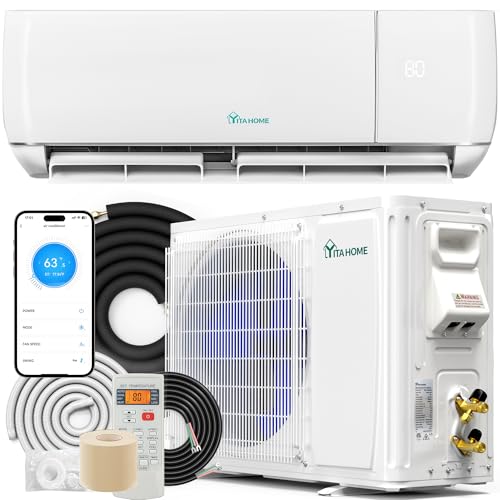
Better for Alexa-enabled homes seeking strong energy efficiency and integrated smart features. This 12,000 BTU system provides 750 sq ft coverage with a 25% energy-savings inverter and a healthy mix of modes including auto, cool, dry, heat, and fan. It is WiFi-enabled and Alexa-compatible for voice-controlled climate commands. Considered a strong all-around pick for living rooms or bedrooms where smart routines are desired, with automatic defrost and health-focused options. Limitations may include setup complexity for first-time DIY installers.
ROVSUN 9000 BTU Wifi Mini Split

Ideal for smaller rooms or budget-minded setups needing reliable cooling and heating. The 9000 BTU unit handles spaces up to 400 sq ft and features an energy-saving inverter with a 19 SEER rating. It operates quietly and offers a practical installation kit. Choose this if your space is compact and you want a cost-effective, WiFi-enabled option with solid performance and a simple install.
Senville LETO 12000 BTU Mini Split
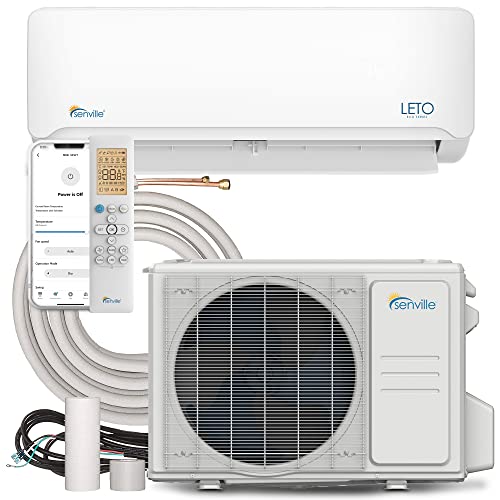
Best for voice-control enthusiasts and those needing a spacious, versatile all-season system. This 12,000 BTU unit supports a 20.8 SEER2 rating, works with Alexa, and includes a 4-in-1 design: cooling, heating, dehumidifying, and a turbo mode. It is suitable for bedrooms, living areas, or small commercial spaces. A potential limitation is that performance can depend on proper installation to maximize efficiency.
Tehanld 12000 BTU Mini Split With Heat Pump

Choose this if you want a balanced, energy-efficient option with eco-friendly refrigerant (R32) and a 19 SEER2 rating. The unit supports up to 750 sq ft and includes a complete installation kit. It uses advanced inverter technology to optimize energy use and maintain steady comfort. A note: ensure proper outdoor placement and refrigerant handling during installation for best results.
Buying Guide: Key Purchase Considerations
- Room Size and Layout: Match BTU rating to the space. Avoid oversized units that cycle on and off too quickly, and under-sized units that struggle in heat.
- Energy Efficiency: Look for SEER2 ratings and inverter technology. Higher SEER2 typically means lower operating costs over time.
- Smart Features: Determine the value of WiFi control and voice assistant compatibility for convenient scheduling and remote control.
- Installation: Identify whether the kit supports DIY installation or if professional setup is recommended. Vacuumizing refrigerant lines is sometimes required for optimal performance.
- Ambient Conditions: Some models offer healthy modes, auto defrost, or low-noise operation. Consider noise tolerance in bedrooms or study areas.
- Refrigerant Type: R32 refrigerant offers lower global warming potential, but verify compatibility with local codes and outdoor unit placement.
- Maintenance: Look for self-cleaning features, easy filter access, and reliability certifications where applicable.
Frequently Asked Questions
- What is a mini split air conditioner?
A mini split is a ductless heating and cooling system with an indoor air-handling unit and an outdoor compressor, offering targeted cooling for specific zones.
- Do all mini splits require professional installation?
Some are marketed as DIY-friendly with installation kits, but proper vacuuming and refrigerant handling are often best done by a professional to ensure efficiency and safety.
- How many BTUs do I need for a room?
BTU needs depend on room size, insulation, sun exposure, and occupancy. A general guide ranges from 6,000 to 12,000 BTU per typical living spaces, but a professional assessment yields the best fit.
- Are inverter mini splits more energy-efficient?
Yes. Inverter technology adjusts compressor speed to match demand, typically delivering higher efficiency than traditional fixed-output units.
- Can mini splits improve air quality?
Many units offer filters and dehumidification that reduce humidity and improve air quality, but consider additional filtration for specific needs.
- What refrigerant should I prefer?
R32 refrigerant is common for newer models and has a lower environmental impact than some older refrigerants, but always follow local regulations and manufacturer guidance.