Best Air Conditioning Ducting Supplies for Efficient HVAC Maintenance
If you’re upgrading or cleaning air ducts, choose versatile ducting supplies that fit your equipment and space. This guide targets DIY homeowners, HVAC professionals, and property managers seeking reliable tools for cleaning, venting, and temporary airflow. The following products balance durable materials, flexible lengths, and secure connections to deliver better suction, airflow, and install ease. Below is a quick table of the five selected products to help you compare at a glance.
| Product | Brand | Why it’s a fit |
|---|---|---|
| Duct Vacuum Attachment for Shop Vac | ApexGrove | Strong seal and tapered inlet for secure connection to most shop vacuums. |
| Air Ventilator Orange Vent Hose | Rubber-Cal | Long, flexible 25 ft hose with spring steel reinforcement for durability. |
| HVAC Ventilation-Flex Duct | Rubber-Cal | Budget-friendly, heat and sound insulated with aluminum inner for stability. |
| Lay Flat Ducting Poly Tubing | Sibosen | 200 ft length for long runs, compatible with 8″ and 12″ blowers. |
| 7 Inch Dryer Vent Hose | DOITOOL | Multi-layer aluminum foil with steel support for high airflow in tight spaces. |
Duct Vacuum Attachment for Shop Vac

The ApexGrove duct cleaner attachment adds a strong seal to furnace supply ducts, boosting suction for cleaner vents. It fits most shop vacuums with a standard 2.5-inch port and features a tapered inlet for stability. The flange can be filed or sanded to tailor fit for various vent openings. Best for DIY homeowners performing targeted duct cleaning where enhanced suction is beneficial, or professionals seeking a quick, secure connect on standard vacuums. Caution: modification may affect seal integrity; adjust gradually.
Rubber-Cal Air Ventilator Orange Duct Hose
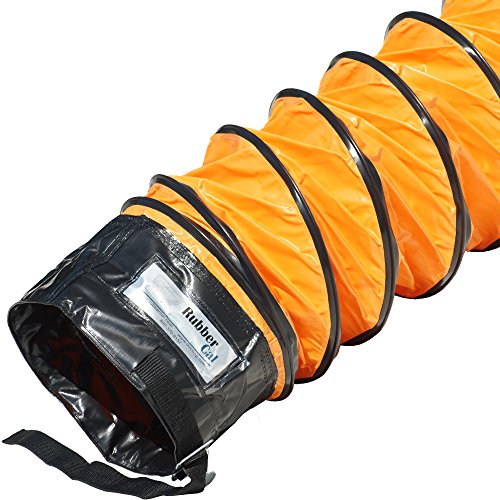
Rubber-Cal’s 18″ ID x 25′ length hose offers great reach and flexibility with a spring steel wire helix for reinforcement. Its light weight makes it easier to maneuver in tight spaces, while strong compression helps maintain airflow. Best for long duct runs where a durable, flexible hose is needed. Choose this if you need substantial length without kinking, but note the heavier hoses may require more storage space when not in use.
Rubber-Cal HVAC Ventilation-Flex Duct

This 10″ ID x 25 ft duct offers an ultra-affordable option with reinforced PVC and an inner aluminum layer. It provides high-level heat and sound insulation and supports a wide operating range (-20 to 160 F). Best for budget projects requiring reliable airflow with temperature resilience. Avoid this if you need extremely high-pressure resistance beyond typical home HVAC tasks, as data on max pressure isn’t specified.
Lay Flat Ducting Poly Tubing 200 ft
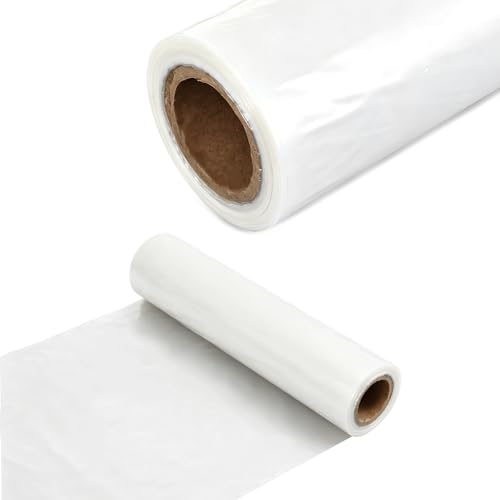
Sibosen’s 200 ft lay-flat poly tubing is designed for 8″ and 12″ blowers, featuring high-density polyethylene with reinforced compatibility. It provides long reach for multi-zone ventilation and reduces leakage risk when connected to blowers. Best for large jobs or temporary setups requiring extended distances. May require careful storage to prevent creases over time.
7 Inch Dryer Vent Hose with Aluminum Foil

DOITOOL’s 7″ dryer vent hose uses multi-layer aluminum foil with PET and a supporting steel wire helix. It’s heat-resistant and fire-retardant (-30°C to 150°C / -22°F to 302°F) and designed for flexible layouts in tight spaces. Best for high-temperature exhaust or scenarios where a rigid elbow is impractical. Limitation: larger diameter hoses can be harder to store in compact spaces.
Buying Guide
What should I consider when choosing ducting supplies?
- Length and flexibility: Longer, lay-flat hoses reduce splicing but require storage space. Short, flexible hoses fit tight areas but may require connectors.
- Material and durability: PVC, aluminum foil, and reinforced plastics offer different heat resistance, stiffness, and leakage resistance. Consider your operating temperature range and pressure needs.
- Compatibility: Check your blower and vacuum ports (universal 2.5″ shop-vac ports are common) and ensure a secure seal with the vent openings.
- Seal integrity: A tight seal improves suction and reduces leakage. Some attachments allow flange modification to fit bespoke vent sizes.
- Cost vs. performance: Budget options exist, but higher-quality hoses reduce wear, kinking, and replacement cost over time.
What are practical tips for installation and use?
- Test fit connectors before full use to avoid air leaks.
- Inspect the lining for tears or compression, especially after bending long runs.
- Store hoses loosely coiled to prevent crease damage; keep away from direct sharp edges.
- For extreme temperatures, choose hoses with heat-resistant materials and inner liners designed for temperature ranges you’ll encounter.
How do I compare products effectively?
- Compare length, diameter, and flexibility to match your vent openings and airflow requirements.
- Assess suction compatibility with your vacuum or blower’s port size and seal features.
- Evaluate durability in the context of your work environment—resistance to punctures, abrasion, and heat.
Common scenarios
- DIY duct cleaning: A mid-length, flexible hose with a strong seal is typically sufficient for residential ducts.
- Long-run installations: Lay-flat, 200 ft or longer hoses minimize splices and reduce leakage risks.
- High-heat exhaust: Aluminum-foil reinforced ducting provides safer operation in hot exhaust paths.
Frequently Asked Questions
Q1: What is the best ducting for DIY HVAC cleaning?
A1: A duct attachment with a strong seal and compatible port, plus a flexible hose long enough for your vents, is ideal for DIY duct cleaning.
Q2: Can I use regular PVC ducting for high-heat exhaust?
A2: Use heat-resistant options designed for the temperature range you expect; standard PVC may not handle prolonged high temperatures.
Q3: How do I prevent leaks at vent connections?
A3: Ensure tight seals, consider filing or sanding flanges for a snug fit, and use clamps or tape where appropriate to seal joints.
Q4: Is longer always better for ducting?
A4: Longer ducting reduces splices but requires more storage and may introduce drag. Choose length based on the layout and required reach.
Q5: Are lay-flat hoses suitable for portable use?
A5: Yes, lay-flat hoses are designed for extended runs and easier transport when coiled, though they may take more storage space when not in use.
Q6: Should I choose aluminum inner layers?
A6: Aluminum inner layers add rigidity and heat resistance, beneficial for high-temperature or heavy-use applications.