Best 50,000 Btu Kerosene Heaters for Reliable Warmth
When selecting a kerosene heater around the 50,000 BTU range, homeowners want reliable warmth for medium-sized spaces, strong safety features, and straightforward operation. Below is a curated guide to top models that balance output, efficiency, and practical use in American homes. The list prioritizes heaters designed for spaces up to roughly 1,250–1,900 square feet, with options offering portability, dual fuel compatibility, and built-in safety controls.
| Product | BTU | Space Heats | Brand |
|---|---|---|---|
| Dyna-Glo KFA50DGD | 50,000 | Up to 1,200 sq ft | Dyna-Glo |
| Mr. Heater 50,000 BTU | 50,000 | Up to 1,250 sq ft | Mr. Heater |
| Dura Heat DFA50 | 50,000 | Multi-fuel; up to 1,000–1,200 sq ft (typical) | Dura Heat |
| Dyna-Glo Delux KFA80DGD | 80,000 | Up to 1,900 sq ft | Dyna-Glo |
| Mr. Heater 80,000 BTU | 80,000 | Up to 2,000 sq ft | Mr. Heater |
Dyna-Glo KFA50DGD 50,000 BTU Kerosene Heater

The Dyna-Glo KFA50DGD delivers 50,000 BTU of forced-air kerosene warmth, capable of heating spaces up to about 1,200 square feet. It features an easy lift carrying handle for portability and practical operation in garages, workshops, or drafty rooms. The unit is designed for reliable performance with simple controls and a compact form for homeowners seeking a robust mid-range option.
Dyna Glo Delux KFA80DGD 80,000 BTU Heater

The Dyna-Glo Delux KFA80DGD expands capacity to 80,000 BTU, heating up to about 1,900 square feet. It includes Comfort Control Thermostat features for more precise fuel use and temperature management, making it suitable for larger spaces or seasonal rooms that need steady warmth with better fuel efficiency.
Mr. Heater 50,000 BTU Forced Air Kerosene Heater
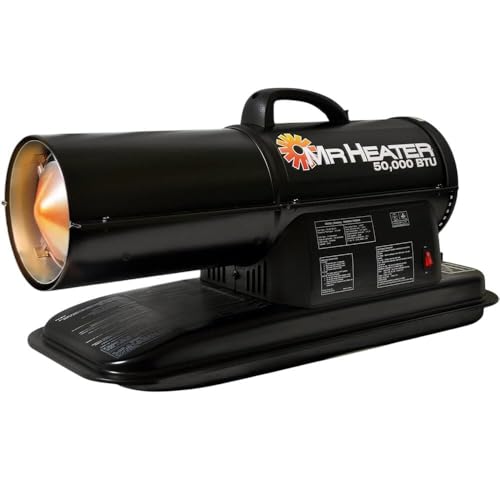
The Mr. Heater 50,000 BTU model provides a compact yet capable heat output suitable for spaces around 1,250 square feet. A 4-gallon fuel tank supports hours of operation, and the heater includes safety features such as high-output fan, illuminated on/off switch, no-flame and overheat sensors with auto shut-off to help prevent unsafe conditions.
Dura Heat DFA50 50K BTU Kero Heater

The Dura Heat DFA50 is a 50,000 BTU forced-air heater with carrying handle for mobility. It is described as multi-fuel capable, tested with kerosene, various fuel oils, diesel, and even jet fuels in some configurations. A one-touch electronic start and runtime fuel gauges support convenient operation and monitoring, making it a versatile option for workshops or backup heating needs.
Dyna Glo Delux KFA135DGD 95,000 or 135,000 BTU Heater
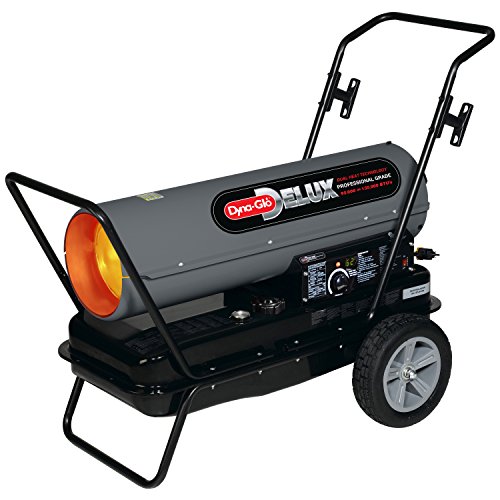
The Dyna-Glo Delux KFA135DGD provides higher BTU options (95,000 or 135,000 BTU) and can heat up to roughly 3,200 square feet, with Dual Heat Technology. This model suits larger homes, open-plan spaces, or areas requiring rapid warmth recovery in extreme cold, while offering advanced control and zoning potential.
Note: The Dyna-Glo lineup includes more powerful options, but the five highlighted here focus on 50,000 BTU capacity and adjacent mid-range models to align with typical room-to-home heating needs in the United States. Each model offers different fuel flexibility, safety features, and heat distribution profiles to fit varied installation scenarios.
Buying Guide: Key Purchase Considerations And Comparisons
Fuel type and availability
Kerosene heaters rely on clean-burning kerosene, with some models offering multi-fuel capabilities. When selecting, verify local fuel accessibility, maintenance needs, and the availability of clean-burning kerosene variants. Multi-fuel units offer flexibility during fuel supply fluctuations but may require more frequent checks for performance consistency.
Heating capacity and space coverage
BTU ratings indicate theoretical warmth output, but real-world performance depends on insulation, ceiling height, and climate. For spaces around 1,200–1,900 square feet, 50,000–80,000 BTU models provide robust warmth, with larger options suitable for open floor plans or poorly insulated rooms. Consider a model with a thermostat or automatic control for stable comfort.
Safety features
Key safety features include tip-over switches, overheat protection, and automatic shut-off. Quietly operating fans and clearly visible indicators help in monitoring operation. For indoor use, ensure the unit has appropriate safety certifications and follows local venting and clearance guidelines.
Portability vs. permanence
Carrying handles and compact frames enhance portability for temporary heating in uninsulated spaces, workshops, or garages. Heavier models with wheel kits are better for semi-permanent setups in basements or larger rooms. Assess how often you’ll move the heater and where it will be used most frequently.
Efficiency and fuel consumption
Higher BTU does not always equal better efficiency. Look for models with thermostatic control, fuel gauges, and diagnostic indicators to optimize runtime. Efficient operation reduces running costs and improves safety by preventing fuel from being wasted in overheating scenarios.
Maintenance and serviceability
Regular maintenance includes inspecting wicks or ignition systems, fuel lines, and air filters where applicable. Availability of replacement parts and service centers matters, especially for older models. Favor units with accessible components and clear maintenance instructions.
Ventilation and indoor air quality
Even with kerosene heaters designed for indoor use, proper ventilation is essential to manage combustion byproducts. Use heaters in well-ventilated spaces and follow manufacturer guidelines regarding intake air, exhaust, and room size. Consider carbon monoxide detectors in occupied areas as a safety safeguard.
Warranty and support
A solid warranty and responsive customer support help address any early issues with ignition, fans, or safety sensors. Check the terms for parts coverage and service eligibility, particularly for mid-range models that see frequent use in colder months.