Best 2 Ton Gas Pack Units for Reliable Home Heating and Cooling
Answer: A 2 ton gas pack is a compact, all-in-one heating and cooling unit designed for small to mid-size homes or light commercial spaces. It combines an air conditioner and a natural gas furnace in a single package, typically installed outdoors with a matching indoor air handler. This guide highlights five solid options, explaining who each is best for and why. If you want energy efficiency, look for models with SEER2 ratings around 13.4 and AFUE around 81%. For quiet operation, check noise specs and installation layout. The table below compares the top picks at a glance for quick decision-making.
| Model | Brand | Capacity | Type | Key Strength |
|---|---|---|---|---|
| ACiQ 2 Ton 13.4 SEER2 40,000 BTU Gas Package Unit | ACiQ | 2 Ton | Gas Pack | Efficient, compact, R32 refrigerant |
| Goodman 2 Ton 14 SEER 40,000 BTU Gas Package | Goodman | 2 Ton | Gas Pack | High efficiency 14 SEER, 81% AFUE |
| ACiQ 2.5 Ton 13.4 SEER2 40,000 BTU Gas Package | ACiQ | 2.5 Ton | Gas Pack | Balanced capacity, quiet operation |
| ACiQ 2.5 Ton 13.4 SEER2 60,000 BTU Gas Package | ACiQ | 2.5 Ton | Gas Pack | Higher heating capacity, solid efficiency |
| Goodman 2 Ton 14.5 SEER2 Upflow Gas System | Goodman | 2 Ton | Gas System (upflow with furnace) | Integrated furnace and condensing unit with R-32 |
ACiQ 2 Ton 13.4 SEER2 Gas Package Unit
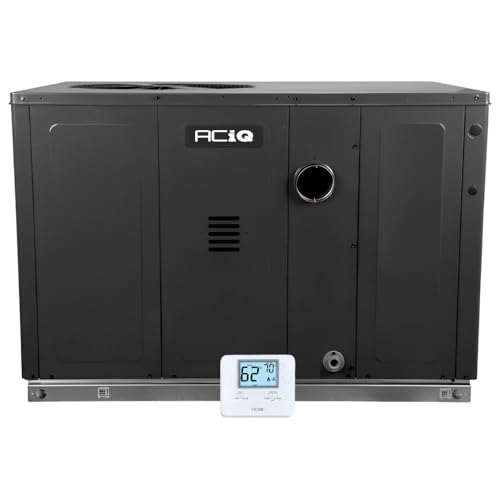
Best for compact spaces and new installations, this 2-ton gas pack merges heating and cooling in a single outdoor unit. It uses R32 refrigerant for lower global warming potential and delivers 13.4 SEER2 efficiency. The unit is suited for residential or small commercial settings where a single outdoor package simplifies installation. Best for buyers needing a ready-to-install, efficient gas-heated system.
Who it’s best for: small homes, first-time system installations, or spaces prioritizing compact footprint and year-round comfort. Why selected: reliable AC and gas heat in one unit with modern refrigerant and balanced performance. Caution: ensure proper clearances around the outdoor unit to maintain airflow and reduce noise.
Goodman 2 Ton 14 Seer 40,000 BTU Gas Package

This model pairs Goodman’s 2-ton capacity with 14 SEER and 81% AFUE, delivering steady cooling with dependable heating. It’s a solid choice for homes that want a well-known brand with straightforward installation and a focus on energy efficiency. Best for: mid-sized homes seeking reliable performance without complexity. Caution: installation and refrigerant line setup should be handled by a qualified tech to preserve warranty eligibility.
ACiQ 2.5 Ton 13.4 SEER2 40,000 BTU Gas Package Unit

Designed for households needing a bit more cooling capacity, this 2.5-ton gas pack maintains 13.4 SEER2 efficiency with 40,000 BTU heating. It’s suitable for small to medium spaces where a single outdoor unit handles both cooling and heating. Best for: homes that require consistent climate control with a slightly larger unit than 2 tons. Caution: verify ductwork and air handler compatibility with the installed gas pack to avoid under- or over-pressurization.
ACiQ 2.5 Ton 13.4 SEER2 60,000 BTU Gas Package
This model provides a higher heating capacity while maintaining 13.4 SEER2 efficiency. It’s a good fit for slightly larger spaces or tighter climates where extra heating power matters. Best for: homes needing robust gas heating without sacrificing overall efficiency. Caution: higher heating load may demand proper duct sizing and venting to avoid performance issues.
Goodman 2 Ton 14 SEER2 Upflow Gas System
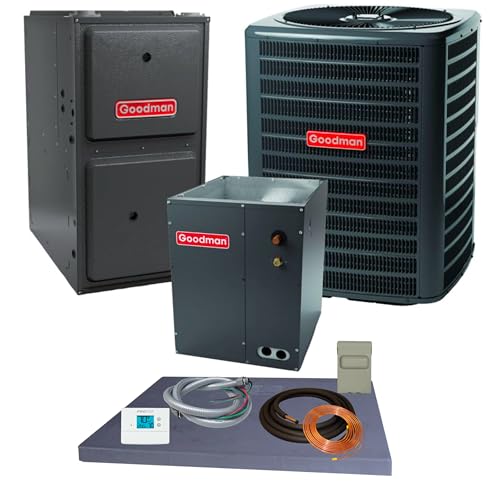
This Goodman configuration combines a 2-ton cooling module with an upflow gas furnace in one packaged solution. Best for: homes with an existing upflow duct arrangement seeking a compact, integrated gas-assisted climate control. Caution: ensure the installation matches local venting codes and space for service access.
Buying Guide: Key Considerations for 2 Ton Gas Pack Units
- Efficiency and energy use: Look for SEER2 around 13.4 and AFUE around 80–81% for a balanced blend of cooling and heating efficiency. Lower operating costs come from higher SEER2/AFUE figures.
- Capacity alignment: Confirm the home’s heating and cooling load to choose 2.0–2.5 ton options. Undersized units struggle in peak months; oversized units may waste energy and reduce humidity control.
- Fuel and refrigerant: R32 refrigerant lowers environmental impact; verify local codes and availability. Gas packs combine natural gas with electric cooling—check gas line routing and venting requirements.
- Installation considerations: Outdoor unit footprint, clearance for airflow, and indoor air handler compatibility affect performance and noise. Ensure professional installation to maintain warranties.
- Warranty and service: Confirm parts and labor coverage and whether online registration is required. Some models offer extended parts warranties when installed by qualified technicians.
- Sound levels: Noise from outdoor units varies; compare decibel (dB) ratings and choose a location that minimizes disruption to living spaces and neighbors.
- Compatibility with existing ductwork: Some units require matched coils, furnaces, or upflow/downflow configurations. Verify compatibility to avoid retrofitting costs.
FAQ
- What is a gas pack unit? A gas pack combines an air conditioner and a gas furnace in one outdoor cabinet, simplifying installation for cooling and heating needs.
- Is a 2-ton gas pack suitable for a small home? For most small to mid-size homes, a 2-ton unit provides adequate cooling and heating when properly load-calculated.
- Which refrigerant do these units use? Many models use R32 refrigerant, which has a lower environmental impact than older refrigerants, while maintaining efficiency.
- What maintenance is required? Regular professional inspection, filter replacement, and coil cleaning help maintain efficiency and prolong life. Indoor air handler checks may also be needed.
- Are gas packs more expensive to install? Initial installation may be more involved due to gas line routing and venting, but combined equipment can reduce space and upfront complexity compared to separate components.
- Should I choose higher SEER or AFUE? Higher SEER2 and AFUE values typically reduce operating costs over time, but upfront costs may be higher. Balance with climate, energy prices, and budget.