Best 150,000 BTU Garage Heaters for Large Spaces
Choosing the right 150,000 BTU garage heater can turn a drafty workshop or cold garage into a warm, productive space. The following selections concentrate on high-output models designed for sizable areas, with attention to reliability, safety, and ease of use. This guide covers five prominent options, detailing their features and practical considerations to help American shoppers pick the best fit for their needs.
Summary of chosen products:
| Product | Brand | BTU Range | Heating Type | Notes |
|---|---|---|---|---|
| Dura Heat GFA150A | Dura Heat | 120,000–150,000 | Propane Forced Air | High output; runs on LP gas; 14–18 hours on a 100 lb cylinder |
| Habitio 125,000 BTU | Habitio | 75,000–125,000 | Propane Forced Air | Large coverage; CSA certified; includes regulator and hose |
| Mr. Heater MH170QFAVT | Mr. Heater | 125,000–170,000 | Propane Forced Air | Quiet burner technology; rugged design |
| American Royal 150,000 BTU Hydronic | American Royal | 150,000 | Hot Water Hydronic | 2-speed fan; ideal for hydronic systems |
| Mr. Heater F260590 MHU125NG | Mr. Heater | 125,000 | Natural Gas Forced Air | Electronic ignition;powered exhaust; direct venting options |
Dura Heat GFA150A Propane Forced Air Heater
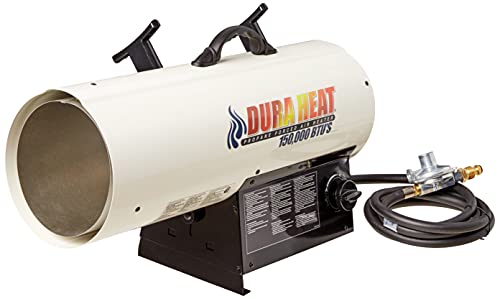
The Dura Heat GFA150A is a propane-fueled forced-air unit with a selectable output range of 120,000–150,000 BTU. Its design emphasizes robust heating for spaces like garages, workshops, and larger basements. The unit is propellant-gas based, relying on LP gas, and can operate for extended periods when paired with a standard 100-pound propane cylinder, typically delivering 14 to 18 hours of continuous heat. A circulating fan helps distribute warm air quickly, reducing cold spots in open-plan garages. Safety features include basic flame containment and overheat protection, though users should ensure adequate ventilation given propane combustion. This model suits users seeking strong, immediate warmth in medium to large spaces without hydronic plumbing.
Key considerations:
– Pros: High BTU range, rapid heat distribution, portable for tough-to-heat spaces, simple LP gas operation.
– Cons: Propane fuel dependence requires storage and ventilation; higher heat output may produce noticeable noise on higher settings; maintenance includes regular vent and fuel line checks.
Habitio 125,000 BTU Propane Heater
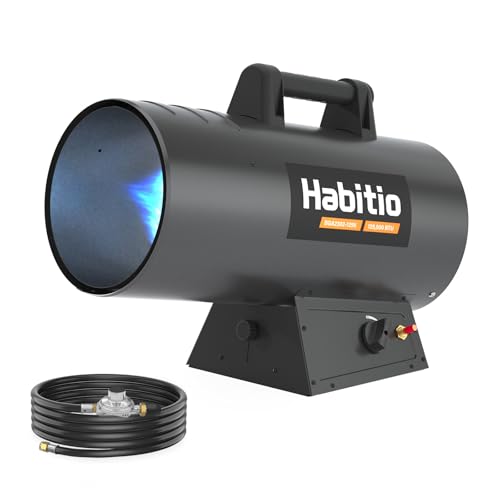
The Habitio unit offers a 75,000 to 125,000 BTU heating range, placing it near the mid-to-high end for propane portable heaters. It is designed for large garages, job sites, and construction environments where rapid space heating is essential. The package includes a 10-foot hose with regulator, enabling flexible placement away from the fuel source for safety. The heater uses pulse ignition technology to facilitate reliable starts, and it integrates overheat protection and automatic shutdown in case of a power loss. CSA certification signals compliance with safety and performance standards. While it performs well in larger spaces, the unit’s noise and the need for a continuous fuel supply may be considerations for quieter environments or enclosed spaces without adequate ventilation.
Key considerations:
– Pros: Large-space performance, regulator hose included, CSA certified, reliable ignition.
– Cons: Higher demand on fuel supply; noise levels can be noticeable during operation; regular ventilation is advised.
Mr. Heater MH170QFAVT 170,000 BTU Portable Heater
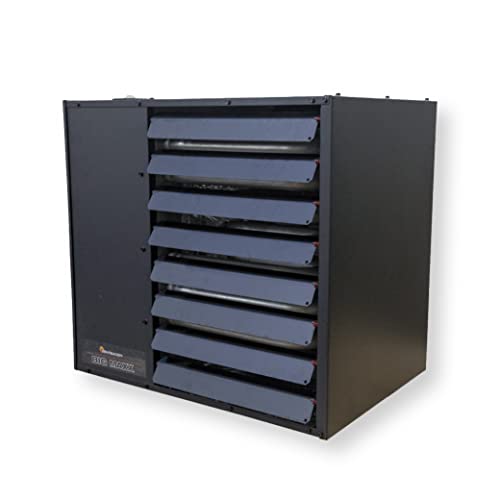
The MH170QFAVT model combines high-output performance with portability. It delivers 125,000–170,000 BTU per hour, making it suitable for large garages, outdoor workspaces, and industrial settings that require expansive heat coverage (up to about 4,250 square feet). Built-in safety measures include a high-temperature limit switch and thermoelectric safety valves to prevent unsafe conditions. The unit emphasizes quiet operation, reportedly running about 50% quieter than standard propane heaters, while its rugged construction and ergonomic handle support job-site endurance. This heater is a strong option when you need substantial warmth without sacrificing portability for temporary or semi-permanent setups.
Key considerations:
– Pros: Very high BTU output, wide coverage, quiet operation, durable build.
– Cons: Heavier and less portable than smaller units; requires proper fuel supply and ventilation for safe use.
American Royal 150,000 BTU Hydronic Heater
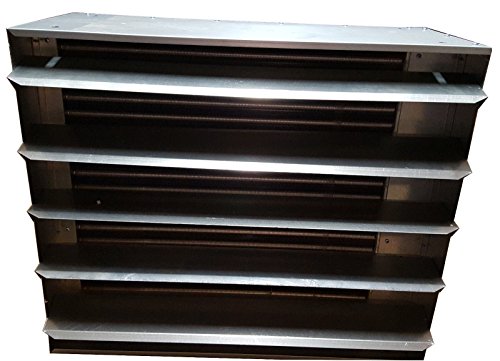
This model represents a hydronic approach to achieving 150,000 BTU of heat, using hot water circulated through a unit heater. It is designed for hydronic systems and can operate efficiently within garages that already leverage boiler networks or wood boiler integrations. The two-speed fan option provides some adjustment over airflow, which can help balance comfort with energy use. This type of heater is ideal when the space already has a water-based heating backbone, or when centralized heating is preferred for multiple zones. The 150,000 BTU rating targets large spaces while potentially integrating with existing mechanical systems.
Key considerations:
– Pros: High BTU rating; compatible with hydronic systems; two-speed fan for airflow control.
– Cons: Requires hydronic plumbing; installation complexity varies; less suited to standalone propane setups.
Mr. Heater F260590 MHU125NG NG 125K Unit Heater
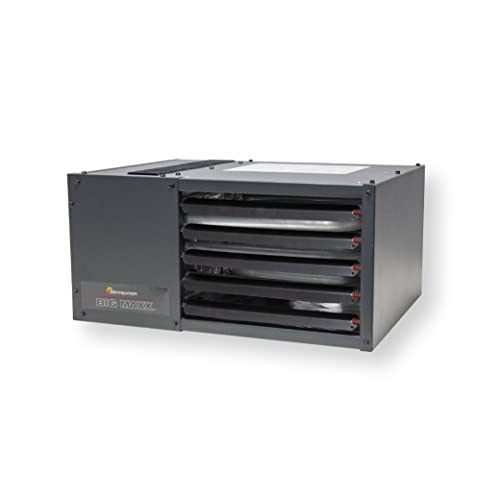
The F260590 MHU125NG is a NG (natural gas) unit heater from Mr. Heater, delivering around 125,000 BTU. It includes electronic ignition and powered exhaust capabilities, with conversion options to LP gas if needed. The unit is designed for spaces where natural gas is readily available and requires venting when exhaust is directed outside. The combination of direct venting options and accessible thermostat or gas connections can simplify installation in large garages that align with existing gas lines. This model emphasizes dependable ignition and exhaust management for continuous operation in demanding environments.
Key considerations:
– Pros: Reliable ignition; natural gas compatibility; built-in exhaust features for venting flexibility.
– Cons: Requires gas supply and venting infrastructure; not ideal for LP-only setups unless converted.
Buying Guide: Key Purchase Considerations for 150,000 BTU Garage Heaters
When selecting a high-capacity heater for a garage, several factors influence long-term satisfaction and safety. Consider the following perspectives and trade-offs:
- Fuel type and availability: Propane and natural gas are common for high-BTU units. Propane is typically more portable and easier to install where gas lines aren’t readily available, but requires storage and ventilation. Natural gas is convenient where pipelines exist but demands venting and professional installation.
- Heating method and space integration: Forced-air heaters provide quick warm-up and broad air distribution, ideal for space-wide comfort. Hydronic (hot water) units integrate with boiler systems and can be efficient in multi-zone homes but need plumbing and circulation loops.
- Ventilation and safety: Proper ventilation is essential for gas-fired heaters to avoid buildup of combustion byproducts. Look for units with overheat protection, flame-out safeguards, and automatic shutoffs in power outages. CSA or ETL certifications indicate adherence to safety standards.
- Electrical and gas utilities: Ensure adequate electrical supply for ignition systems and fans. Gas-fired units may require specific venting configurations and clearance from combustible materials. Check local codes for installation requirements.
- Noise and comfort: Large heating units can produce noticeable fan noise. If the workspace includes nearby living areas or quiet requirements, prefer models marketed as quieter or with noise-control features.
- Maintenance and serviceability: Access to replacement parts, easy cleaning, and routine maintenance schedules can extend the unit’s life. Units with accessible gas connections and straightforward ignition components are often easier to service.
- Compatibility with existing systems: Hydronic heaters are best when linked to a boiler network. For standalone workshops, propane or natural gas forced-air units may offer simpler installation and operation.
- Cost of ownership: While initial cost is important, factor fuel consumption, maintenance, and potential venting needs into the total cost of ownership. High-output units are powerful, but efficient operation and proper sizing prevent energy waste.
To optimize performance, pair any high-BTU heater with proper insulation, draft-proofing, and zone-specific heating strategies. For garage users who value portability, prioritize models with lighter weight or handle-friendly designs; for workshop environments, focus on ducting and airflow distribution to minimize cold spots. Safety is paramount—properly vented installations, fuel storage, and routine inspection are essential for long-term reliability and user peace of mind.