Best Non-Vented Propane Heaters for Safe Home Heating
Indoor propane heating offers convenient warmth without ductwork. Non-vented (vent-free) units rely on oxygen in the room, so selecting a model with safety features and appropriate BTU output is essential. This guide highlights five top non-vented propane heaters, comparing heat output, coverage, and features to help American homeowners choose a reliable option for living rooms, bedrooms, offices, or small studios.
| Product | BTU (Heat Output) | Coverage | Key Feature |
|---|---|---|---|
| Dyna-Glo IR30PMDG-1 | 6,000–30,000 BTU/hr | Up to 1,000 sq. ft. | Infrared radiant heat; vent-free |
| ProCom ML100TBAHR | 10,000 BTU | Up to 300 sq. ft. | Blue flame with thermostat control |
| ProCom ML300TBA-B | 28,000 BTU | Up to 1,400 sq. ft. | Manual control; oxygen depletion sensor |
| Rinnai FC824P | Not stated here | Small to mid-size spaces | Programmable thermostat; safety features |
| Mr. Heater F260550 Big Maxx MHU50NG | 50,000 BTU | Up to 1,250 sq. ft. | Exhaust venting options; accessible thermostat/gas connections |
Dyna-Glo IR30PMDG-1 30,000 BTU Vent Free Infrared Heater

This vent-free wall heater uses infrared technology to radiate warmth, similar to sunlight. It delivers a variable 6,000 to 30,000 BTU per hour and can heat spaces up to about 1,000 square feet. The unit is liquid propane ready, though fuel conversion is not permitted. Its wall-mount design helps save floor space while providing consistent radiant heat across the room.
ProCom ML100TBAHR Ventless Blue Flame Heater with Thermostat

This model provides 10,000 BTU of blue flame heat designed to warm up to 300 square feet. It includes thermostat control to automatically cycle the burner on and off to maintain the desired room temperature. Note that California and Canada have restrictions on this item. The unit is designed for spaces where an electric supply is limited, and it emphasizes steady heat without requiring electricity.
ProCom ML300TBA-B Ventless Blue Flame Heater

With up to 28,000 BTU, this blue flame heater heats up to about 1,400 square feet. It operates on propane only and requires no electricity. A push-button Piezo ignition starts the unit, while three heat settings (Low/Medium/High) combined with an Oxygen Depletion Sensor provide safety and adjustable warmth for larger rooms or open living areas.
ProCom ML300TBA-B Ventless Blue Flame Space Heater
This compact heater provides 28,000 BTU and heats up to 1,400 square feet. It uses liquid propane, features thermostat control with High/Medium/Low settings, and includes mounting options for walls or a base feet stand. An Oxygen Depletion Sensor enhances safety by automatically shutting off the unit in low-oxygen conditions, ensuring safer operation in enclosed spaces.
Rinnai FC824P Ventless Propane Heater
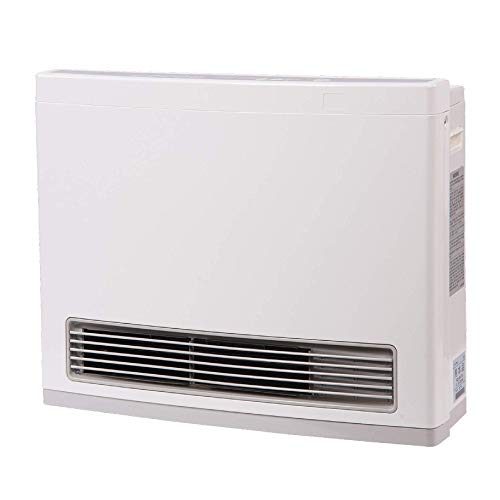
Rinnai’s FC824P offers efficient heating for compact spaces with a programmable thermostat and a digital adaptive control that responds to changing heating needs. Safety features include a flame failure device, overheat protection, an oxygen depletion sensor, and a tilt switch to disable gas or power if the unit tips or overheats. This model emphasizes precise temperature management and reliable operation in smaller rooms or zones within a home or office.
Mr. Heater F260550 Big Maxx MHU50NG
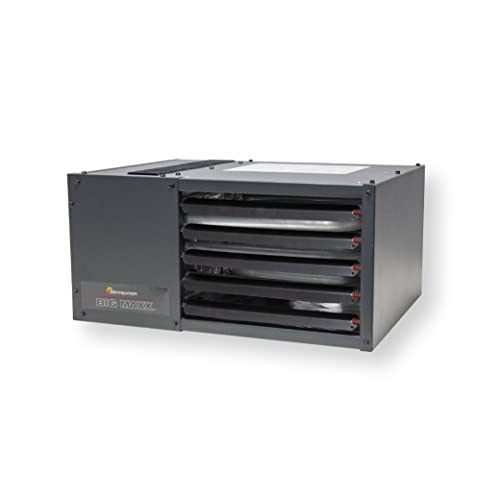
This unit delivers up to 50,000 BTU per hour and heats up to about 1,250 square feet. It features powered exhaust with flexible venting options for vertical or horizontal installation. Accessing the thermostat and gas connections from outside the unit simplifies service and adjustments, making it a practical choice for larger spaces or spaces that require higher heat output.
Buying Guide: Key Considerations for Non-Vented Propane Heaters
- Room size and BTU alignment: Match the heater’s BTU rating to the space you need to heat. Oversized units can cause overheating, while undersized models may struggle to reach comfort levels.
- Ventilation and safety features: Look for oxygen depletion sensors, flame failure devices, tilt switches, and automatic shut-off capabilities. Vent-free units require proper room air exchange and adherence to safety guidelines.
- Thermostat control: Thermostats help maintain a steady temperature and improve energy efficiency. Decide between simple manual controls, programmable thermostats, or digital adaptive controls.
- Electrical requirements: Some models rely on electricity for fans or ignitions, while others are purely propane-driven. Consider your home’s electrical accessibility and backup options during power outages.
- Installation flexibility: Wall-mounted units save space; freestanding bases or floor models provide versatile placement. Check mounting hardware and clearance requirements for safe operation.
- Coverage vs. heat type: Infrared radiant heaters warm objects and people directly, while blue flame units heat the surrounding air more like traditional heaters. Choose based on whether you prioritize immediate warmth or broader room heating.
- Regulatory considerations: Some models have regional restrictions (for example, California or Canada) due to safety or emission rules. Verify local regulations before purchase.
- Maintenance and service: Look for models with easy access to ignition components, simple cleaning, and reliable customer support or warranty coverage.
- Energy cost and efficiency: Vent-free propane heaters are generally efficient but require careful usage to avoid excessive oxygen loss in smaller rooms. Consider models with high efficiency and safety controls to optimize operating costs.