Best Military Tent Heater for Field Use
Staying warm in outdoor environments demands reliable, field-ready heaters that balance safety, efficiency, and portability. The following five products are selected for their performance in tents and other temporary shelters, offering various BTU ranges, fuel options, and safety features suitable for American outdoor conditions.
| Product | Brand | Fuel Type | Approx. Heating Area | Key Benefit |
|---|---|---|---|---|
| 9,000 BTU Portable Buddy Radiant Heater | Mr. Heater | Propane | Up to 225 sq ft | High output, indoor/outdoor approval |
| Mr. Heater F215100 MH4B Little Buddy | Mr. Heater | Propane | Up to 95 sq ft | Indoor safety with ODS and tip-over protection |
| Naturehike Portable 3-in-1 Camping Heater | Naturehike | Butane | 54–108 sq ft | 3-in-1: heater, stove, shelf |
| HEATHIVE Portable Propane Heater (Outdoor) | HEATHIVE | Propane | 200 sq ft (approx.) | Foldable, one-push ignition, compact |
| GASPOWOR Upgrade Dual Fuel Portable Heater | GASPOWOR | Butane/Propane | Variable | Dual fuel compatibility, lightweight |
Note: Each product’s features are based on listed specifications. Always follow manufacturer safety guidelines when using heaters inside tents or enclosed spaces.
9,000 BTU Portable Buddy Radiant Heater

Brand: Mr. Heater
Features: Emits 4,000 or 9,000 BTU/hr radiant heat, Designed and approved for indoor and outdoor use, Heats up to approximately 225 square feet
This high-output propane radiant heater provides versatile warmth for mid-sized tents and outdoor shelters. Its dual BTU settings allow efficient heating in cooler conditions while offering flexibility for indoor-style use in enclosed tents. Proper ventilation and CO management remain essential when used in confined spaces.
Mr. Heater F215100 MH4B Little Buddy
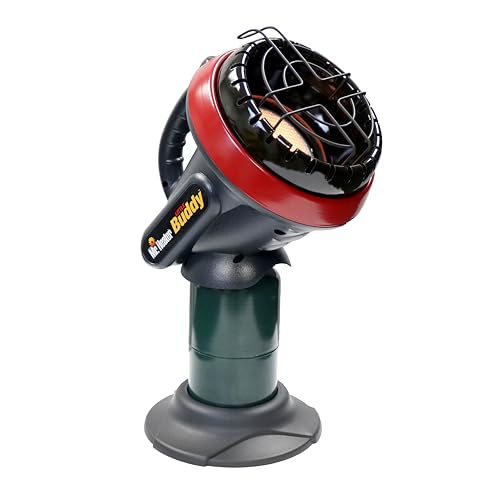
Brand: Mr. Heater
Features: 3800 BTU per hour with 45° heating angle, coverage up to 95 sq ft; built-in safety with ODS, cross-thread protection, and tip-over shut-off; runtime up to 5.6 hours on a 1-pound cylinder
Designed for compact tents or small shelters, this device prioritizes safety and portability. Its ODS system reduces oxygen depletion risk, making it suitable for enclosed spaces when used with proper ventilation.
Naturehike Portable 3-in-1 Camping Heater

Brand: Naturehike
Features: 3750 BTU firepower; 3-in-1 design with cooking surface and warming shelf; heats 54–108 sq ft; uses 8 oz butane canister; up to 240 minutes runtime
Ideal for small tents or camp interiors where space is at a premium. The combination heater/cooking surface can reduce equipment needs while providing dependable warmth and supplemental cooking support during colder camping trips.
GASPOWOR Upgrade Dual Fuel Portable Heater

Brand: GASPOWOR
Features: Dual fuel operation (butane/propane); 9000 BTU; includes propane adapter hose; compact and portable
Dual-fuel capability increases compatibility with common propane canisters and butane cartridges. This flexibility can be beneficial in varying field conditions where fuel availability changes.
HEYDUOTON Portable Propane Heater

Brand: HEYDUOTON
Features: 3800 BTU, heats up to 200 sq ft; portable with foldable base; one-push ignition; lightweight and secure design
Suitable for tents and compact outdoor spaces, this heater emphasizes ease of setup and stability with a foldable base, making it convenient for quick shelter warming during field operations or camping trips.
Buying Guide: Key Considerations For Tent Heaters
- Fuel type and availability: Propane, butane, or dual-fuel options affect shipping, storage, and refueling in remote areas. Consider your fuel accessibility and weight trade-offs.
- BTU output and coverage: Match heater capacity to tent size. Higher BTU units cover larger areas but may use fuel faster. For small tents, a 3,000–5,000 BTU unit is often sufficient; larger shelters may require 6,000–9,000 BTU models.
- Safety features: Look for oxygen depletion sensors (ODS), tip-over protection, and automatic shut-offs. Indoor use requires proper ventilation and adherence to manufacturer guidelines.
- Portability and setup: Lightweight, compact designs with quick ignition and stable bases are advantageous in field conditions. Foldable bases or carrying cases aid transport.
- Durability and materials: Weather-resistant casings and flame-retardant components improve longevity in rugged environments.
- Runtime and fuel efficiency: Evaluate continuous burn time on standard fuel canisters to plan refueling during expeditions or field operations.
- Ventilation requirements: Enclosed tents require adequate ventilation and CO monitoring. Never operate heaters in fully sealed spaces without proper airflow.
- Compatibility with gear: Some models offer integrated cooking surfaces or shelves, which can reduce equipment load but may impact space and heat distribution.