Best Vented Space Heaters for Quick, Safe Indoor Warmth
Across residential and small commercial spaces, vented or ventless space heaters can deliver rapid supplemental warmth. The following five units are among the most relevant options for American homes, combining strong heat output with safety features and easy installation. Use this guide to compare models, understand key features, and choose a heater that fits your space and safety needs.
| Product | Brand | Type | BTU/Power | Key Feature |
|---|---|---|---|---|
| Mr. Heater Vent Free Radiant 30,000 BTU | Mr. Heater | Vent-Free Gas Heater | 30,000 BTU | High heat output for larger spaces; infrared radiant warmth |
| ProCom ML100TBAHR Ventless Propane Gas Heater | ProCom | Ventless Propane Gas Heater | 10,000 BTU | Thermostat control; wall mount option |
| Rinnai EX22DTP Direct Vent Wall Furnace | Rinnai | Direct Vent Wall Furnace | 20,700 BTU | Modulating heat; safe with cool-to-touch cabinet |
| Dyna-Glo IR30PMDG-1 30,000 BTU Infrared | Dyna-Glo | Vent Free Infrared Wall Heater | Up to 30,000 BTU | Infrared heating; suitable for up to 1,000 sq. ft. |
| Rinnai FC824P Ventless Propane Heater | Rinnai | Ventless Propane Heater | Programmable Thermostat | Digital control and safety features |
Note: This article focuses on vented or vent-free heaters suitable for indoor use. Always follow local codes and manufacturer instructions for safe installation and operation.
Mr. Heater Vent Free Radiant 30,000 BTU

Overview: This gas wall heater delivers significant warmth with 30,000 BTU, designed for spaces up to 1,000 sq. ft. It uses infrared technology to warm people and objects directly, providing comfortable heat quickly. Safety features include an automatic low-oxygen shut-off system and sensors that detect oxygen levels, helping prevent unsafe operation. The unit’s radiant heat is well-suited for open-plan rooms, cabins, garages, and sunrooms where rapid, even warmth is desired.
ProCom ML100TBAHR Ventless Propane Heater

Overview: The ProCom ventless heater uses propane to provide reliable heat for smaller to mid-size rooms. It includes a thermostat to regulate temperature and can be wall-mounted to conserve floor space. The design emphasizes consistent warmth and simple control, making it a practical option for workshops, apartments, or auxiliary heating in living areas.
Rinnai EX22DTP Direct Vent Wall Furnace

Overview: The Rinnai EX22DTP provides direct-vent heating with 20,700 BTU capacity. It uses modulating technology to maintain comfortable temperatures and reduce energy waste. The unit features a cool-to-the-touch cabinet and self-diagnostic electronics for safer indoor operation, making it suitable for family rooms, dens, and spaces where continuous warmth is needed.
Dyna-Glo IR30PMDG-1 Infrared Vent Free Heater

Overview: The Dyna-Glo IR30PMDG-1 uses infrared radiation to warm objects and people directly, which is effective in large rooms up to about 1,000 sq. ft. It offers a broad heat range (6,000–30,000 BTU) and is designed for vent-free operation, delivering comfortable heat without ductwork. Its compact wall-mount design helps save space in living rooms, dens, and garages.
Rinnai FC824P Ventless Propane Heater
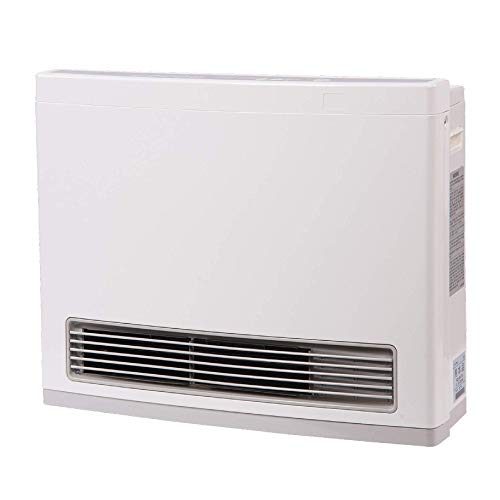
Overview: The Rinnai FC824P is a compact ventless propane heater featuring a programmable thermostat and safety systems designed to maintain comfort while prioritizing safety. It provides efficient warmth in smaller rooms and is suitable for spaces where precise temperature control and reliable operation are important, such as bedrooms or home offices with limited space.
Buying Guide
- Vent type and installation: Vent-free heaters are common for indoor use, but ensure you follow local codes and clearances. Some models are direct-vent or vented, which can be preferable in regions with strict ventilation requirements.
- Heat output and room size: BTU ratings indicate suitability for different spaces. Choose a unit with sufficient capacity for your room while avoiding overheating.
- Safety features: Look for oxygen depletion sensors, tilt switches, flame failure devices, and cool-to-the-touch cabinets. Automatic shut-off features are important for homes with children or pets.
- Thermostat and controls: Digital or programmable thermostats enable precise temperature control, potentially saving fuel or energy costs over time.
- Energy efficiency: Direct-vent or properly insulated units typically use less fuel and deliver consistent warmth, reducing running costs.
- Fuel type and availability: Propane and natural gas are common, but fuel availability and cost vary by region. Consider compatibility with existing utilities in your space.
- Install and maintenance: Some units require professional installation, especially gas models. Regular safety checks and vent inspections help maintain safe operation.
- Noise and aesthetics: Infrared and fan-assisted heaters can produce varying noise levels. Consider design and placement to minimize disruption in living areas.