Best Tube Heaters for Garage: Efficient Gas and Electric Options
Finding the right tube heater for a garage depends on space, fuel type, and heat output. This guide highlights five practical options, spanning natural gas tube units and electric ceiling-mounted heaters, to help you choose a dependable solution for cold months. The selections balance installation ease, efficiency, and comfort across typical American garages.
| Product | Brand | Fuel Type | Approx. Output |
|---|---|---|---|
| Heatstar By Enerco F125444 Radiant Overhead Garage Heater H25Ng | Heatstar By Enerco | Natural Gas | High BTU output for large spaces |
| SunStar Garage Tube Heater – LP, 45,000 BTU | Sunstar | Propane/Natural Gas | 45,000 BTU |
| SunStar Garage Tube Heater – Natural Gas 45,000 BTU | Sunstar | Natural Gas | 45,000 BTU |
| Mr. Heater F260550 Big Maxx MHU50NG | Mr. Heater | Natural Gas | 50,000 BTU |
| TEMPWARE Electric Garage Heater | TEMPWARE | Electric | Up to 25,590 BTU |
Heatstar By Enerco F125444 Gas Overhead Heater
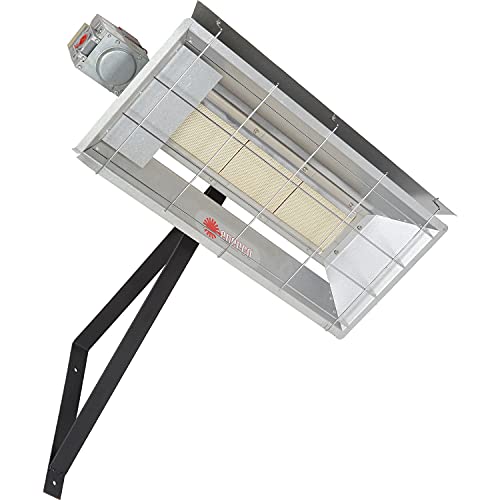
The Heatstar F125444 is a radiant overhead garage heater designed for natural gas supply. It heats large spaces efficiently with a compact installation profile. Features include CSA certification for safety and thermostatic control that does not require external power. This unit suits heated garages that prioritize steady warmth without relying on electrical power for the thermostat.
Shinic 2 Packs Electric Ceiling Mounted Garage Heaters

The Shinic electric heater package offers 1500W/750W options with ceiling mounting and a remote. It includes a 90° rotation and a 5-mode setting range, along with a halogen work light. It’s designed for garages, shops, and similar spaces where ceiling-mounted heat and visibility matter. The 90° adjustability helps direct warmth precisely where needed.
SunStar Garage Tube Heater – LP, 45,000 BTU

SunStar’s LP version offers a robust 45,000 BTU output in a compact 110-inch length for straightforward installation. With efficiency levels around 84.5%, it’s designed for garages that require strong, consistent heat with straightforward venting options. Installation guidance suggests mounting height and location to optimize ductless warmth distribution.
SunStar Natural Gas Garage Tube Heater 45,000 BTU

This natural gas model mirrors the LP version with a 45,000 BTU output and the same 110-inch form factor. It emphasizes energy efficiency and practical installation in standard American garages. The unit’s compact footprint helps preserve space while delivering reliable warmth across the workspace.
Mr. Heater F260550 Big Maxx MHU50NG
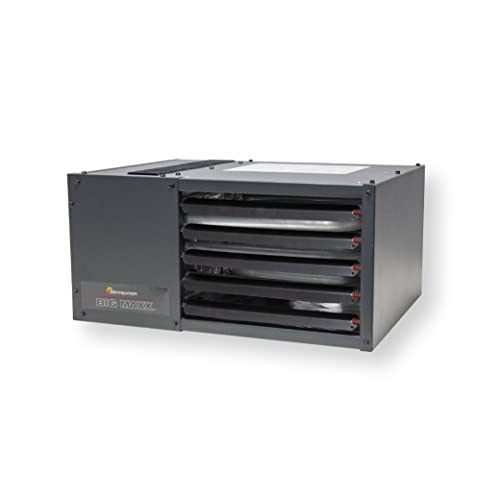
The Mr. Heater Big Maxx MHU50NG is a high-output natural gas unit heater delivering around 50,000 BTU. It supports vertical or horizontal venting and provides convenient access to thermostat and gas connections from outside. Suitable for larger garages needing robust, durable heating with flexible venting options.
TEMPWARE Electric Garage Heater
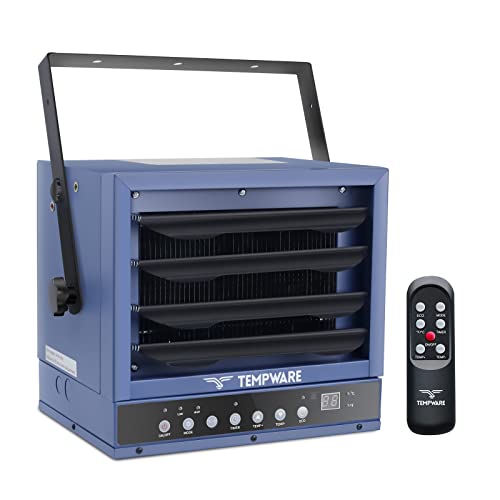
The TEMPWARE model is a ceiling-mounted electric heater with ECO mode and a timer. It provides up to 7,500 watts for substantial space heating, along with a digital thermostat and overheat protection. This option is suitable where gas installation isn’t feasible or desired, offering smart energy-saving features for larger workshops.
Buying Guide: Tube Heaters For Garages
- Fuel type and availability: Natural gas versus propane LP and electric. Gas options require a venting plan and a gas line; electric units simplify installation but may consume more electrical capacity.
- Heat output and space: Match BTU ratings to your garage size. Large garages (car bays) benefit from 40,000–50,000+ BTU gas units; smaller setups can rely on 20,000–30,000 BTU or electric equivalents.
- Installation considerations: Ceiling-mounted tubes save floor space but need appropriate mounting height and clearance. Gas units require proper venting and clearance to combustibles; electric units need a dedicated circuit or subpanel capacity.
- Efficiency and operating costs: Look for high efficiency ratings and options with adjustable thermostats or ECO modes to minimize wasteful running time.
- Ventilation and safety: Gas heaters require venting, CO monitoring, and proper combustion air. Electric heaters eliminate combustion concerns but may need more robust electrical protection and GFCI considerations in damp environments.
- Durability and approvals: CSA or UL listings indicate safety and reliability. Consider corrosion resistance if your garage experiences humidity or chemical exposure.
- Maintenance: Gas heaters often need periodic vent cleaning and gas line checks, while electric models favor dust management and thermostat calibration.
When evaluating options, compare installation requirements, heat distribution patterns, and the ability to modulate heat to prevent cold spots. A combination approach—gas for rapid, high-output warmth and electric for targeted, controllable heat—can fit garages with varied heating needs.