Best Glycol for Chiller Systems: Key Options and Buying Guide
Choosing the right glycol for chiller systems is essential for reliable heat transfer, freeze protection, and system longevity. This guide highlights five high-purity glycol options suitable for industrial and commercial cooling, including propylene and ethylene glycol variants with or without inhibitors. Each product is evaluated for compatibility with chillers, corrosion protection, and purity. Use the quick reference table below to compare core details and pick the best fit for your cooling loop, while the product sections offer deeper insights and official product links.
| Product | Brand | Type | Key Benefit |
|---|---|---|---|
| Propylene Glycol – 1 Gallon | Sanco Industries | Propylene Glycol, USP | High purity for general humidity control and antifreeze needs |
| SimpleNature Propylene Glycol – 1 Gallon | SimpleNature | Propylene Glycol, Food Grade | Very high purity, food-grade safety, odorless |
| ComStar Profrost 40 | ComStar | Propylene Glycol, 40% | Industrial anti-freeze for chillers and cooling loops |
| Propylene Glycol – Half Gallon | Sanco Industries | Propylene Glycol, USP | Compact packaging for small-scale systems |
| Ethylene Glycol (Technical Grade) | CQ Concept Inc. | Ethylene Glycol, Technical Grade | Versatile heat transfer and freeze protection |
Propylene Glycol – 1 Gallon — Sanco Industries
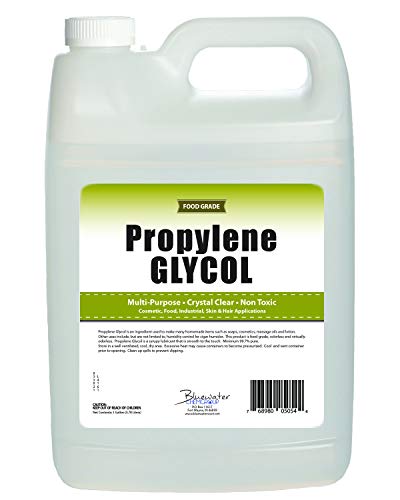
Propylene glycol USP from Sanco Industries is a synthetic, colorless, odorless liquid commonly used as a solvent and humectant. Classified as Generally Recognized as Safe (GRAS), it serves as a humectant to retain moisture, a thickener to adjust viscosity, and a stabilizer to maintain consistency in various cooling and ancillary applications. In chiller systems, it contributes to reliable freeze protection and steady heat transfer when mixed with water per system specifications. The product is suitable for general antifreeze and humidity control needs in controlled environments.
SimpleNature Propylene Glycol — 1 Gallon

SimpleNature offers a 99.9% purity, food-grade propylene glycol in a 1-gallon bottle. It is free of additives, fillers, and contaminants, and certified to meet USP and Kosher standards. This PG is odorless and colorless, making it suitable for chillers and moisture-control loops where high purity helps minimize impurities that could affect heat transfer. It is also marketed for do-it-yourself humidification and personal care applications, but its core suitability for cooling systems centers on purity, stability, and safe handling.
ComStar Profrost 40 Propylene Glycol — 5 Gal

Profrost 40 from ComStar is a premium propylene glycol coolant designed specifically for chillers, industrial processing equipment, and refrigeration systems. It is prediluted to 40% and ready to use, with optional corrosion inhibitors to reduce system wear and clogging. This formulation is suitable for a variety of cooling loops, thermal storage, solar and radiant heating systems, and computer rooms needing stable heat transfer and robust freeze protection. Availability with corrosion inhibitor packages can further safeguard metals and internal components in aggressive environments.
Propylene Glycol Half Gallon — Sanco Industries

This half-gallon propylene glycol option from Sanco Industries provides the same USP-grade, high-purity qualities in a compact package. It is suitable for smaller chillers or pilot systems, humidification projects, and other moisture-control uses where a precise glycol/water mix is required. The USP designation emphasizes pharmaceutical-grade purity, contributing to predictable performance and low impurity load in cooling loops.
Ethylene Glycol (Technical Grade) — 16 Ounce

CQ Concept Inc. provides a technical grade ethylene glycol with 99% purity, suitable for high-performance heat transfer and freeze protection. Ethylene glycol offers strong antifreeze properties and is widely used in HVAC systems, chillers, and de-icing applications. In contrast to propylene glycol, ethylene glycol can deliver superior heat transfer in some setups, but it requires careful handling and toxicity considerations. Use only where permitted by regulations and system design guidelines.
SMPLY. Propylene Glycol 16oz — Froggy’s Fog

This SMPLY. propylene glycol option is a 16-ounce bottle, marketed as USP and food-grade with 99.7% purity. It is designed for multiple uses, including moisture retention in foods and cosmetics, as well as humidification in humidor systems. For chiller applications, its high purity and safety profile can help limit contamination and odor, while allowing flexible dilution for specific cooling loops when combined with water per manufacturer guidelines.
Inhibited Propylene Glycol 95% Solution — 5 Gallons

Inhibited Propylene Glycol 95% with 5% corrosion inhibitor is designed to protect cooling systems from corrosion, scale, and biological growth. It is intended for dilution to operating concentrations (commonly 30%–50% in water) to provide reliable freeze protection and heat transfer. This option is suitable for larger chillers, loop systems, and facilities where corrosion control is critical for long-term efficiency and maintenance intervals.
Buying Guide: Key Considerations and System Comparisons
When selecting glycol for chiller systems, consider the following factors to balance efficiency, safety, and cost. First, determine the primary application: direct chillers, cooling loops, or humidity control in enclosed environments. Propylene glycol is generally chosen for applications requiring non-toxic and lower environmental risk, while ethylene glycol offers higher heat transfer performance but carries stronger toxicity and disposal considerations.
Second, review purity and certification. USP or food-grade standards indicate low impurity levels, which supports stable heat transfer and protects seals and metals. In systems with high-sensitivity electronics or sealed loops, higher purity formulas help minimize fouling and occlusion.
Third, corrosion inhibitors and additives matter. Some products come with built-in corrosion inhibitors; others require separate packages. Inhibitors help prevent rust and scale in metal components, especially in copper and aluminum loops or older systems. Ensure compatibility with the materials used in your chillers and hardware.
Fourth, dilution and concentration are critical. Many glycol products arrive pre-diluted (for example, 40% glycol in Profrost) or as concentrated solutions that must be mixed with water. Follow manufacturer guidelines to achieve the recommended freezing point and heat-transfer characteristics for your climate and system load.
Fifth, assess handling, storage, and safety. Some glycol formulations are more viscous or have odor considerations. Ensure proper storage, spill response, ventilation, and personal protective equipment in line with the product’s safety data sheets.
Sixth, consider system maintenance and compatibility. Regular testing of glycol concentration, pH, and impurity levels helps extend system life. Validate compatibility with seals, gaskets, and heat-exchanger materials used in your chillers to reduce leaks or failures.
Finally, compare total cost of ownership. While a higher-purity, inhibitor-rich formulation may have a higher upfront price, longer service intervals and lower risk of leaks or corrosion can reduce maintenance costs over the system’s life. Select a product that aligns with your operational requirements, regulatory constraints, and safety standards.