Best Remote Thermostat for Baseboard Heaters: Smart, Energy-Saving Models in 2025
Whether you’re upgrading an older baseboard heating system or adding precise remote control to a new install, a high-voltage, Wi-Fi-enabled thermostat can trim energy costs and boost comfort. This guide highlights five top remote thermostats for line-voltage baseboard heaters, wall heaters, and convectors. Each product supports smart home integration, scheduling, and remote access so you can manage heat from anywhere. Read on for clear options, setup notes, and a practical buying guide to help you choose the right model for your wiring and power needs.
| Product | Brand | Key Benefit | Smart Home Compatibility |
|---|---|---|---|
| Mysa Smart Thermostat LITE | Mysa | Wi-Fi control for 120V-240V; energy savings | HomeKit, Alexa, Google |
| meross Smart Thermostat | meross | High-voltage compatible; straightforward install | Apple Home, Alexa, Google, SmartThings |
| Mysa 240V Baseboard Thermostat | Mysa | Remote control with free app; alerts | HomeKit, Alexa, Google |
| MOES Programmable Smart Thermostat | MOES | Remote on/off, scheduling, energy saving | Alexa, Google |
| Stelpro Z-Wave KI | Stelpro | First North American Z-Wave for line voltage | Requires Z-Wave gateway |
Mysa Smart Thermostat LITE — Line Voltage Baseboard Thermostat
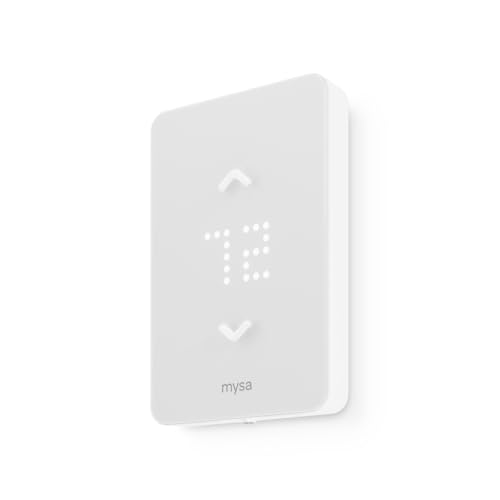
The Mysa Smart Thermostat LITE is designed specifically for high-voltage baseboard heating and other line-voltage appliances. It supports 120V to 240V installations, making it suitable for most American homes. The product emphasizes energy savings by enabling custom daily schedules, which helps reduce heating when no one is home or during low-occupancy periods. All features are included through a free app, with no subscription fees, offering remote control, scheduling, and energy reports. Installation is aimed at DIY enthusiasts with straightforward wiring, though a solid understanding of line-voltage wiring is required. Smart integrations with HomeKit, Alexa, and Google provide convenient voice control and automation options. This model is ideal for retrofit projects where existing wiring can support a line-voltage thermostat while maintaining a clean, modern control interface.
Key considerations
- Requires line voltage wiring (120V-240V).
- Ensure compatibility with your baseboard or convector’s wattage rating.
- Free app access; no ongoing subscription fees.
Meross Smart Thermostat for Electric Baseboard and In-Wall Heaters

The Meross thermostat is designed for high-voltage systems and supports 120V-240V circuits with a maximum load of 16A (1920W at 120V, 3840W at 240V). It requires at least four wires in the electrical box, including a neutral or second live wire, which is typical for high-voltage smart thermostats. Its installation is described as straightforward for experienced DIYers, with compatibility for baseboard, convector, and fan-forced heaters. Voice control is available via Apple HomeKit, Alexa, and Google Assistant, with additional integration through SmartThings. This model suits homes where you want robust smart features on a fairly standard high-voltage setup, particularly if you already use Apple or Google ecosystems.
Key considerations
- Four-wire requirement with neutral or second live wire.
- Suitable for high-voltage baseboard and related heaters.
- Broad smart home compatibility with voice assistants.
Mysa Smart Thermostat 240V Baseboard Heaters

This Mysa model targets 240V installations for baseboards and related high-voltage equipment. It emphasizes remote control via a 100% free app, with scheduling, alerts, and voice compatibility through HomeKit, Alexa, and Google. The device requires four wires, including a neutral or alternative live conductor, which is essential for proper operation on higher voltage systems. The product notes also highlight new adaptive display technology for improved readability and a compact footprint. It suits users who want advanced scheduling and monitoring without compromising electrical compatibility with 240V systems.
Key considerations
- Four-wire setup with neutral or second live wire required.
- High-voltage compatibility with baseboard heaters.
- Free app with extensive remote features and voice control.
Stelpro Z-Wave Plus KI STZW402WB+ Thermostat

The Stelpro KI thermostat is notable for being the first Z-Wave-enabled thermostat purely designed for line-voltage systems in North America. It uses a 2-wire connection to the heater, making it compatible with existing line-voltage wiring when integrated with a Z-Wave gateway controller. Remote control is possible via a compatible hub, enabling scheduling and ECO mode to optimize energy use. This option appeals to smart home adopters who already rely on Z-Wave ecosystems and want a thermostat tailored to baseboard and convector applications, especially when a gateway-based automation setup is feasible.
Key considerations
- Requires Z-Wave gateway for remote control and automation.
- 2-wire connection to the heater, suitable for many legacy installations.
- Eco mode helps reduce energy consumption.
Air Choice 33” Baseboard Heater With Remote

This portable 33” baseboard heater functions as a space heater for larger rooms up to roughly 270 square feet. It offers an adjustable thermostat with two heat settings (700W and 1500W) and a remote with a digital LED interface for easy control. The unit supports a three-mode operation: flame only, heat only, or flame plus heat, delivering both functional warmth and ambiance. While convenient for temporary or supplemental heating, it’s a portable option rather than a permanent, in-wall thermostat integration. It’s best suited for spaces that need quick, flexible heating and where installation simplicity is prioritized over fixed, in-wall control.
Key considerations
- Portable unit, not a fixed in-wall solution.
- Three operation modes, including flame aesthetics.
- Remote and thermostat controls for flexible usage.
Honeywell Home RLV4305A1000 5-2 Day Programmable Thermostat

The Honeywell RLV4305A1000 targets electric baseboards and convectors with a 5-2 day programmable schedule. It is designed for precise control and silent operation via TRIAC switching, which helps maintain steady temperatures and minimize fluctuations. The thermostat emphasizes accuracy, with a claimed precision around ±0.27 degrees Fahrenheit in typical baseboard setups. This model is a solid choice for users seeking a traditional, budget-friendly programmable thermostat without smart home connectivity, yet delivering reliable, scheduled control for baseboard heaters.
Key considerations
- Programmable scheduling for 5-2 days.
- High-precision temperature control and silent operation.
- Best for users who don’t require Wi‑Fi or voice integration.
Buying Guide: Key Purchase Considerations
Wiring and voltage compatibility
Baseboard and line-voltage thermostats must match your electrical system. Check whether your setup is 120V or 240V and confirm that the thermostat supports the required voltage and load. Many models require at least four wires (including neutral or second live) for proper operation, so verify the wiring before installation.
Smart features vs. traditional controls
Decide whether you need Wi-Fi connectivity, app control, and voice assistants. Smart thermostats enable remote scheduling, energy reports, and integration with HomeKit, Alexa, Google, or SmartThings. If you prefer a straightforward, no-network solution, consider a programmable thermostat with built-in schedules and manual controls.
Wattage, load, and safety considerations
Ensure the thermostat’s output rating aligns with your heater’s wattage. Oversizing can cause wear or unsafe operations, while undersizing may limit control. For high-voltage systems, confirm that four-wire configurations and neutral wiring are available and properly connected to the control device.
Installation practicality
Some models are designed for DIY installation, while others work best with professional assistance, especially when dealing with line-voltage wiring. In-wall installations require careful mounting, wiring, and, in some cases, a compatible hub for smart features. Portable heaters offer quick setups but lack integrated thermostat control for a room-wide strategy.
Energy efficiency and long-term savings
Many thermostats offer scheduling, setback, and occupancy-based adjustments that can reduce heating usage by substantial margins. Look for adaptive display brightness, energy reports, and eco modes to maximize savings over time. For multi-room or entire-home setups, consider ecosystems that support centralized automations and energy management.
Compatibility with existing systems
Check brand ecosystems and whether the thermostat integrates with your preferred voice assistants and smart home platforms. Compatibility can influence the ease of automation, routines, and remote access across devices and rooms.
In summary, the right remote thermostat for baseboard heaters depends on your wiring, desired level of smart features, and whether you prioritize energy savings or simple scheduling. The options above offer a range from fully connected platforms to reliable, traditional programmable thermostats designed for line-voltage heating.