Best Air Ionizers for HVAC Systems: Top Picks for Clean Indoor Air
Air ionizers integrated into HVAC systems can help improve indoor air quality by reducing odors, allergens, and particulates. This guide highlights five popular options, outlining how they work, their benefits, and what to consider when upgrading your system. Whether you’re tackling seasonal allergies, pet dander, or smoke odors, these ionizers provide low-maintenance, filter-light solutions that complement existing filtration.
Summary of chosen products
| Product | Brand | Key Benefit | Type |
|---|---|---|---|
| i-Wave-R / iWave-R | iWave | Residential IAQ ion generator for ducted systems | In-duct ionizer |
| Clarifion (3 Pack) | Clarifion | Plug-in, filterless ionizers for multiple rooms | Plug-in ionizer |
| AZEUS True HEPA Air Purifier | AZEUS | Large-room coverage with UV and ionic purification | Standalone purifier + ionizer |
| RGF Reme Halo | RGF | In-duct IAQ ionizer with enhanced catalyst | In-duct ionizer |
| POMORON 4-in-1 Purifier | POMORON | Ionizer, HEPA, UV, and odor control | Standalone purifier + ionizer |
iWave iWave-R In-Duct Ion Generator
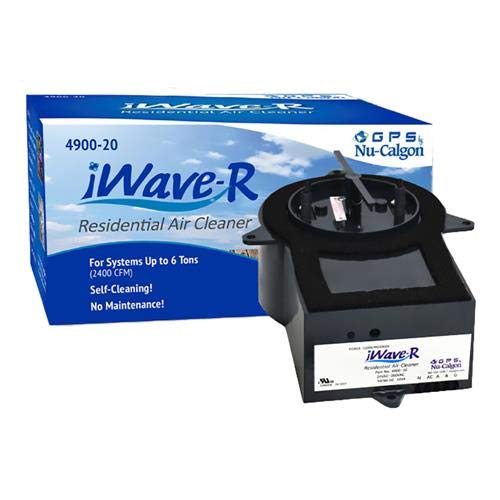
The iWave-R is designed for residential HVAC systems as an in-duct ion generator. It operates as a portable, power-sourced IAQ device intended to improve air quality within ductwork. Its app-dependent maintenance and continuous ion production can help reduce particles and odors as air passes through the system. This option suits homes with centralized cooling and heating where a compact, non-visual IAQ upgrade is desired. Consider compatibility with existing duct layouts and electrical access when planning installation.
Clarifion Air Ionizers (3 Pack)

Clarifion offers a plug-in, filterless negative ion technology that can serve multiple rooms. The 3-pack provides broad coverage for bedrooms, living rooms, kitchens, and offices. Because it relies on ionization rather than physical filters, operating costs are typically low, and there’s no ongoing filter replacement. They’re best used to supplement central HVAC filtration in spaces where a quick, portable air quality boost is helpful. Ensure proper placement to maximize effectiveness and avoid high-humidity environments where ionizers may have reduced performance.
AZEUS True HEPA Air Purifier with UV and Ion Generator

This unit blends HEPA filtration with UV light and an ionic generator to target a broad spectrum of pollutants. It’s suited for large rooms (up to 2160 sq ft rapidly) and is positioned as a multi-stage purifier that can improve air quality for households with pets, allergies, or smoke odors. Operators should note the emphasis on UV-assisted disinfection and the role of the ionic stage in reducing airborne particulates. Consider room size, maintenance needs, and whether a standalone purifier better fits your space than a duct-installed ionizer.
RGF Reme Halo 24V In-Duct IAQ Ionizer
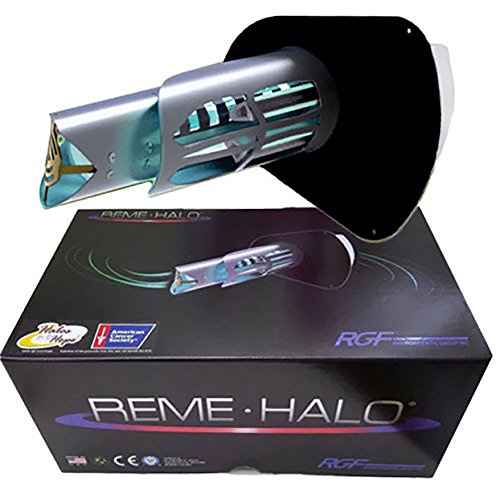
The RGF Reme Halo is designed as an OEM-grade component for in-duct air purification. It highlights an enhanced catalyst with zinc for faster kill rates of certain contaminants and claims easier, faster maintenance with no-tool cell replacement. This option is aimed at better-than-average in-duct IAQ performance within a residential or light commercial HVAC setup. Compatibility with existing duct configurations and service requirements should be verified before purchase.
REKO Lighting R2000 In-Duct UV/UVC System
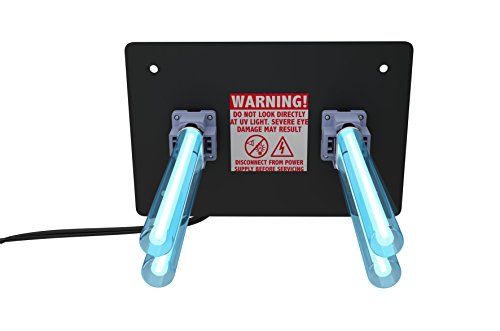
REKO Lighting’s R2000 provides UV-C illumination in the HVAC duct with UVC bulbs designed for European manufacturing standards. Installed directly in the duct, it aims to inactivate microbes and reduce odors as air travels through the system. When integrating a UV-based solution, consider the duct layout, bulb replacement intervals, and electrical wiring, along with any safety guidelines related to UV exposure and materials compatibility in your HVAC pathway.
POMORON 4-in-1 Air Purifier with Ionizer
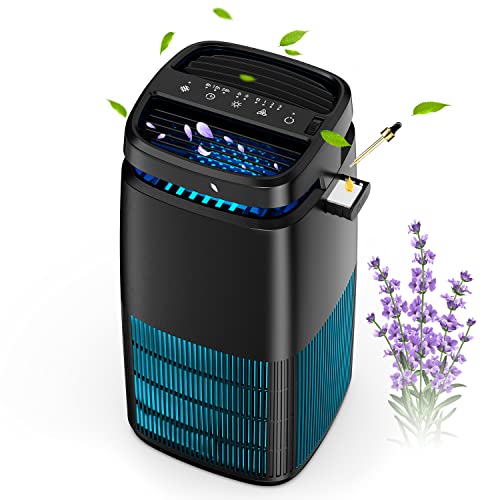
POMORON combines an air ionizer with an H13 HEPA filter, UV light, and optional essential oil diffusion in a single unit. This multi-function approach targets a wide range of indoor air concerns, including pollen, smoke, pet dander, and odors. The device is positioned for room-scale use, up to a sizeable footprint, and can be an effective stand-alone solution or a strong partner to duct-based IC systems. Evaluate filter costs, UV maintenance, and the desirability of fragrance diffusion when selecting this option.
Qualirey 26W HVAC UV Light Duct System

Qualirey’s 26W UV light system is designed for duct installation, with 253.7 nm UVC output to limit microbial growth in the air stream. It supports compatibility with various UV lamp models used in HVAC systems, aiming to reduce odors and potential contaminants. Easy installation and proper duct adaptation are key considerations, as is ongoing maintenance and bulb replacement planning to sustain efficacy over time.
Clarifion 6-Pack Air Ionizers

This larger Clarifion bundle extends plug-in, filterless ionization coverage across more rooms. It’s suitable for bigger homes or spaces requiring multiple units for consistent air quality gains. As with other plug-in ionizers, consider the placement strategy to maximize air circulation patterns and ensure devices remain away from direct moisture or heat sources to avoid performance degradation.
Buying Guide: Key Considerations for Air Ionizers in HVAC
When choosing an ionizer for an HVAC system, assess integration method, room coverage, and maintenance requirements. In-duct ionizers can deliver continuous treatment as air moves through the system, but installation often requires professional assessment of duct compatibility and electrical connections. Standalone ionizers offer flexibility for multi-room coverage but may not influence air passing directly through the central system.
- Installation compatibility: Confirm duct size, airflow, and existing filtration to ensure the unit can be integrated without affecting system efficiency.
- Ionization vs filtration balance: Some solutions emphasize ion generation, while others combine HEPA or UV with ionization. Consider your priority—smell control, particle reduction, or microbial suppression.
- Maintenance and replacements: Filter-based purifiers require ongoing replacements; ionizers and UV bulbs have their own replacement schedules and costs. Factor long-term maintenance into total cost of ownership.
- Room and system coverage: For in-duct options, ensure the unit’s output matches the HVAC’s airflow and the square footage of the space. Standalone purifiers should be placed to complement airflow patterns in occupied rooms.
- Safety and warranties: Verify safety certifications, electrical requirements, and warranty terms. UV-based solutions require proper shielding and adherence to safety guidelines to prevent exposure.
- Energy impact: Most ionizers run continuously but are designed to be energy-efficient. Compare standby consumption and potential improvements in air quality against any added energy use.