Best Remote Control for Thermostat: Top Smart Thermostats to Optimize Comfort and Energy
The right remote control for your thermostat can simplify climate control, boost energy savings, and integrate with your smart home. This guide reviews five leading thermostats, highlighting privacy, setup, compatibility, and standout features. Each section includes quick access to the product page, a visual, and practical buying points to help you compare options at a glance.
| Product | Brand | Key Benefits |
|---|---|---|
| Sensi Smart Thermostat | Emerson | Privacy protection, easy DIY install, energy savings |
| Amazon Smart Thermostat | Amazon | Alexa integration, energy rebates potential, simple upgrade |
| Google Nest Thermostat | Energy efficiency, compatibility, auto-schedule | |
| meross Smart Thermostat | meross | Matter compatibility, voice control, C-wire required |
| ecobee Smart Thermostat Essential | ecobee | Energy saving, cross-assistant control, software upgrades |
Overview: The following picks cover a spectrum of smart features—from privacy-first designs to AI-driven energy optimization—while keeping installation practical for most homes. Each product section below includes a concise summary of features and real-world usage considerations to help you decide which thermostat best fits your lifestyle and existing smart home setup.
Sensi Smart Thermostat (ST55) By Emerson
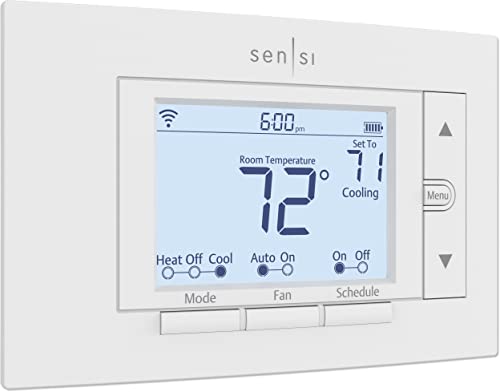
Privacy protection is a core feature of Sensi, with a policy against selling personal information to third parties. The device emphasizes DIY installation with an in-built level and guided app instructions, designed to work with common HVAC equipment. In many cases, a C-wire is not required. As an ENERGY STAR certified model, it supports flexible scheduling, remote access, and usage reports to help reduce energy consumption by an estimated portion of typical household usage.
Considerations: Assess your HVAC wiring before purchase; while many homes don’t require a C-wire, some systems might. The emphasis on privacy and straightforward install makes Sensi a strong pick for hands-on homeowners seeking transparency and control.
Amazon Smart Thermostat

Designed for easy upgrading from traditional thermostats, the Amazon Smart Thermostat integrates with Alexa and supports Ring for broader smart home experiences. It offers automatic adjustments based on temperature readings or presence, using select Echo devices and other compatible equipment. Post-purchase rebates from energy providers can help offset the upgrade cost, and the device is positioned as a budget-friendly entry point into smarter climate control.
Considerations: Verify compatibility with your current HVAC setup and any required C-wire. If you rely on rebate programs, keep an eye on local offerings. The Alexa-centric approach makes it especially suitable for households already using Amazon devices.
Google Nest Thermostat

The Nest Thermostat is ENERGY STAR certified and focuses on energy savings via smart scheduling and occupancy-based adjustments. It supports Wi-Fi connectivity and works without a C-wire in many homes, though some systems may need a C-wire or compatible power accessory. The device emphasizes autonomous energy management—turning down when the house is empty—and integrates with the Google Home app for programable schedules across Android and iPhone devices.
Considerations: While Nest aims to minimize energy waste automatically, some configurations may require a C-wire. The absence of a dedicated “lock” feature means you should assess whether you need more restrictive access in households with children or shared spaces.
meross Smart Thermostat
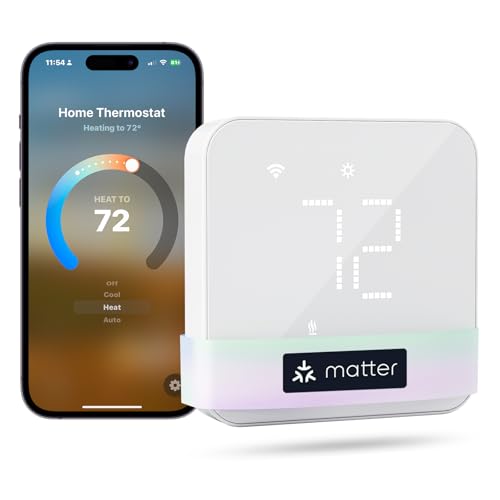
The meross thermostat supports Matter compatibility and works with major voice assistants, including Alexa, Apple Home, and Google Assistant. It requires a C-wire for full functionality and supports 2.4GHz Wi-Fi networks. The setup emphasizes compatibility with 95% of HVAC systems and provides detailed compatibility guidance. A dedicated after-sales team is available for support, and the product notes offer practical compatibility, installation, and network considerations.
Considerations: Confirm C-wire availability if your system lacks it; if not, plan for a compatible adapter. While 2.4GHz Wi-Fi is standard, ensure your router settings and home network support reliable connectivity for best performance.
ecobee Smart Thermostat Essential

ecobee emphasizes energy savings with up to 23% annual heating and cooling reductions, using a color touchscreen and robust app controls. It claims compatibility with a broad range of systems (up to 85%), and includes free software upgrades to keep the thermostat current. The device supports Siri, Alexa, and Google Assistant, enabling broad cross-assistant control for households using multiple ecosystems.
Considerations: Check your system compatibility with ecobee’s checker to ensure smooth operation. The cross-assistant support is advantageous in mixed-smart-home environments, but initial setup may involve more steps to integrate with all preferred services.
Buying Guide: Key Purchase Considerations And Comparisons
- Energy savings and certification: ENERGY STAR certification signals efficiency. Compare expected annual savings based on your climate and heating/cooling habits.
- Wiring requirements: C-wire presence affects compatibility. Some models claim no C-wire is needed, but verify against your HVAC system to avoid power issues.
- Voice assistant ecosystem: Choose a thermostat that aligns with your existing devices (Alexa, Google Assistant, Siri, Ring, etc.). Cross-compatibility can simplify routines and routines across rooms.
- Privacy and data handling: If protecting personal data is a priority, review each model’s policy on data collection and sharing. Some brands emphasize privacy protections and minimal data sales.
- Installation and compatibility checks: Look for DIY-friendly installations with clear app guidance. Use compatibility checkers for your HVAC system to avoid post-purchase surprises.
- Smart features: Occupancy sensing, remote scheduling, energy reports, and automatic temperature adjustments can vary. Determine which features matter most for your energy goals and daily routine.
- Price versus potential rebates: Rebates from energy providers can offset the upfront cost. Check local programs and eligibility before buying.
- Platform updates: Some brands push ongoing software upgrades to improve performance. Regular updates can extend device longevity and feature sets.
In summary, the best remote control for your thermostat depends on your priorities—privacy and DIY ease (Sensi), Alexa-centric control and rebates (Amazon), hands-off energy management (Nest), Matter and broad ecosystem support (meross), or cross-platform assistant integration with ongoing software improvements (ecobee). Each option offers strong energy-management capabilities, but your home’s wiring, preferred voice assistant, and energy programs will guide the optimal pick.