Best Wireless Thermostats for Electric Baseboard Heaters
Choosing a wireless thermostat for electric baseboard heaters can help you optimize comfort, energy usage, and control. This guide reviews five top options that support high-voltage systems, offer reliable Wi‑Fi or smart integrations, and provide easy installation for 120V–240V baseboard setups. Each entry highlights compatibility, installation considerations, and key features to help you compare at a glance.
A quick summary of the selected products is shown in the table below to aid your decision-making process. This table focuses on high-voltage, line-voltage thermostats with smart or programmable features, suitable for typical American baseboard heaters.
| Product | Voltage Range | Smart Features | Installation Notes |
|---|---|---|---|
| Meross Smart Thermostat | 120V–240V | HomeKit, Alexa, Google Home, voice control | Requires 4 or more wires; easy install |
| Mysa Smart Thermostat Lite | 120V–240V | Wi‑Fi, HomeKit, Alexa, Google, scheduling | DIY install; no subscription |
| Mysa Smart Thermostat (240V) | 240V | HomeKit, Alexa, Google, app control | Requires neutral or second live wire |
| MOES Programmable Thermostat | 120V–240V | Remote control via app, voice compatibility | Four wires recommended |
| Honeywell RLV4305A1000 | 120V–240V | 5-2 day programmable, accurate control | Traditional programmable model |
Meross Smart Thermostat For Electric Baseboard Heaters

The Meross Smart Thermostat is designed for high-voltage systems and supports 120V–240V with a maximum load of up to 16A (1920W at 120V, 3840W at 240V). Installation takes under 30 minutes for users with four or more wires in the electrical box. It works with Apple HomeKit, Alexa, Google Home, and SmartThings, enabling voice control and routine automation. It targets electric baseboard, convector, and fan-forced heaters, though the baseboard unit itself is not included in the package. This model emphasizes energy savings and smart integration for modern smart homes.
Key considerations: ensure you have four or more wires and compatible high-voltage wiring. The device covers common baseboard heater configurations, and its energy-savings features align with typical American winter usage patterns. For households already using HomeKit or Alexa ecosystems, installation supports consistent, hands-free temperature management.
Mysa Smart Thermostat Lite
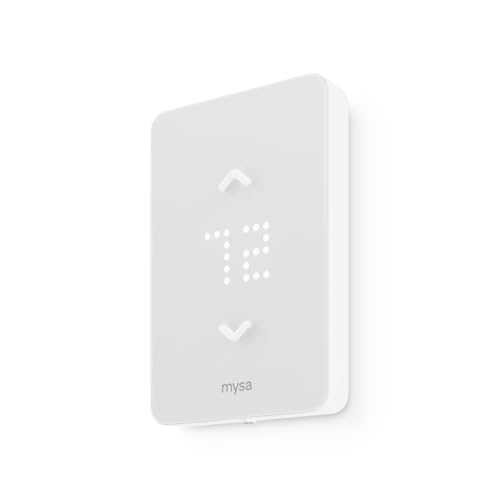
The Mysa Lite is a line-voltage thermostat compatible with 120V–240V electric baseboard heaters, including fan-forced and convector units. It offers a DIY installation path with a robust app and no subscription. Features include scheduling and energy-savings tools, designed to reduce heating costs by tailoring usage to daily routines. The Lite version emphasizes a straightforward setup while maintaining full internet-enabled control via Wi‑Fi and popular voice assistants.
Important notes: Mysa requires four wires, including a neutral or a second live wire, for proper operation. The product targets higher-voltage installations and includes adaptive display options for energy efficiency. Before purchasing, verify that your current wiring matches the four-wire requirement to ensure reliable performance.
Mysa Smart Thermostat For Electric Baseboard Heaters 240V

This Mysa model supports 240V baseboard heaters and offers remote control via a dedicated app with no subscription. It is compatible with HomeKit, Alexa, and Google Home, and includes temperature and humidity alerts. A notable requirement is that it needs at least four wires, including a neutral or a second live wire. The Mysa 240V version emphasizes high-voltage compatibility and precise control for modern smart homes, with an emphasis on user-friendly scheduling and energy analytics.
MOES Programmable Smart Thermostat For Electric Baseboard Heaters

MOES offers a programmable thermostat for 120V–240V electric baseboard heaters with remote control via the Smart Life/TUYA app. It supports Alexa and Google Home compatibility, enabling voice control and routine automation. The device notes that four wires are recommended for proper functionality, particularly in high-voltage systems. The knob-style control variant provides tactile feedback for manual adjustments, while the smart features enable convenient scheduling and remote management from a smartphone.
Honeywell Home RLV4305A1000 5-2 Day Programmable Thermostat

The Honeywell RLV4305A1000 is a traditional 5-2 day programmable thermostat designed for electric baseboards and convectors. It emphasizes precise temperature control with an accuracy of about 0.27°F and TRIAC switching for silent operation, minimizing temperature swings. The device is well-suited for users who prefer a straightforward, non‑smart programmable experience and do not require a Wi‑Fi or app-based integration. It supports typical line-voltage installation and is a reliable option for consistent comfort.
Honeywell CT410A Manual 2-Wire Thermostat

The CT410A is a manual, two-wire option for basic baseboard heater control. It does not require a neutral and is suitable for simpler installations where smart features are not needed. This model focuses on reliability and simplicity for line-voltage heating systems, offering predictable performance without network connectivity or app control.
Honeywell CT410B Manual 4 Wire Thermostat
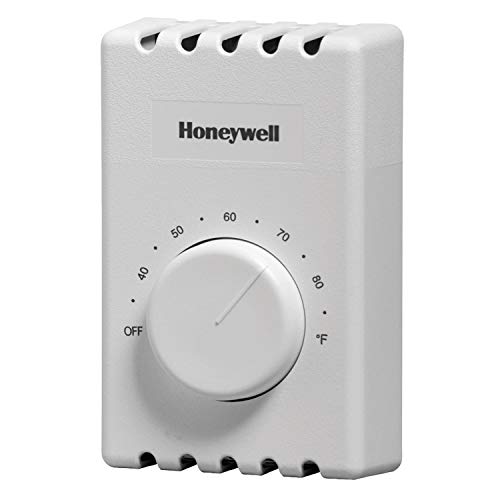
The CT410B1017 is a manual, line-voltage thermostat with four wires, tailored for electric baseboard and non-inductive fan-forced heaters. It provides basic control without programmable features, making it a durable option for straightforward heat management in larger spaces or older home wiring setups where simplicity is valued.
Honeywell TL8230A1003 Line Volt Thermostat
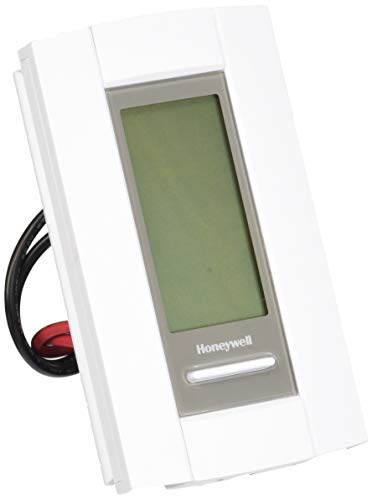
The TL8230A1003 is a 7‑day programmable line-voltage thermostat for 208–240V systems, offering extended scheduling to improve energy efficiency. It features electronic temperature control with a high degree of precision, and a 15 A rating with four wires. This model suits users who want a more advanced schedule without smart home connectivity, balancing gradual temperature changes with energy savings and quiet operation.
Buying Guide: Key Purchase Considerations
- Voltage and wiring: Confirm your baseboard heater system uses 120V–240V and has at least four wires (including a neutral or a second live wire) for proper thermostat operation.
- Smart features vs. manual control: Decide whether you want Wi‑Fi, app-based control, voice integration, and energy reporting, or a straightforward programmable/manual unit.
- Compatibility: If you rely on a smart ecosystem (HomeKit, Alexa, Google Home), choose devices explicitly supporting those platforms to enable seamless automation and voice control.
- Installation: Some units offer DIY installation with minimal tools, while others may require more complex wiring. Consider whether you will install yourself or hire an electrician.
- Energy savings: Look for scheduling, adaptive display, and energy reports to maximize savings without sacrificing comfort. Some models also emphasize reduced standby usage and remote control.
- Display and usability: For manual adjustments, a clear display and intuitive knobs can improve day-to-day use, especially in busy living spaces.
- Reliability and support: Check for manufacturer support, warranty terms, and firmware updates that ensure long-term performance.
- Privacy and security: For Wi‑Fi thermostats, review data handling policies and ensure you keep devices updated to protect your home network.
- Future-proofing: If you may upgrade other smart devices, selecting a thermostat with broad ecosystem compatibility can simplify future integration.
When evaluating options, map your current wiring, preferred control method, and the level of automation you want. A high-voltage baseboard setup benefits from devices explicitly rated for 120V–240V and four-wire configurations, ensuring reliable temperature regulation and energy efficiency. By comparing features such as voice compatibility, scheduling capabilities, and app transparency, you can choose a device that fits your home, budget, and comfort goals.