Best RV Vent Fan Solutions for Every Camper
Choosing the right vent fan for an RV involves balancing airflow, noise levels, power needs, and installation flexibility. This guide highlights five top options designed to keep campers cool, reduce moisture, and improve air quality, whether you’re on the road or parked at a campsite. Each product is evaluated for compatibility with common roof openings and 12V power systems, with attention to features like reverse airflow, rain covers, and installation ease.
| Product | Brand | Key Benefit | Opening Size |
|---|---|---|---|
| Maxxfan Deluxe Vent | MAXXAIR | 4-speed, thermostat, rain cover | 14″ x 14″ |
| Kohree 14″ RV Vent Fan (Remote) | Kohree | Remote control, temperature sensor, 10 speeds | 14″ x 14″ |
| Kohree 14″ RV Vent Fan (Manual) | Kohree | 10 speeds, quiet operation, easy install | 14″ x 14″ |
| GDDGHS RV Vent Fan 14″ | GDDGHS | Universal fit, 12V power, efficient ventilation | 14″ x 14″ |
| hurrventer 14″ 10-Speed Vent | hurrventer | Rain shield, water resistant, quiet operation | 14″ x 14″ |
Note: The table features non-clickable references for quick comparison. Each product section below provides detailed information, including installation considerations and how its features meet common RV living scenarios.
MAXXAIR Maxxfan Deluxe Vent Overview

The MAXXAIR Maxxfan Deluxe is a popular all-in-one roof vent solution that combines a four-speed exhaust and intake fan with a built-in rain cover and manual opening. It is designed for 14″ x 14″ roof openings and supports a range of ventilation configurations, including air intake and exhaust, depending on the user’s needs. The built-in thermostat allows for automated control to maintain interior comfort without constant manual adjustment. Its rugged construction and ease of cleaning are notable for long-term RV use.
Key features include: manual open/close, rain cover, 4-speed operation, and a system designed for exhaust-driven cooling as well as fresh-air intake. The fan’s control interface is straightforward, with options for rapid cooling on hot days or gentle air exchange when humidity is low. The unit is compatible with standard roof vent openings and is well-suited for full-time RVers who want reliable performance with predictable maintenance.
Installation considerations: ensure your roof opening is 14″ x 14″ and check compatibility with existing mounting hardware. The unit blends with most RV roof aesthetics and requires standard wiring. Although the kit is designed for straightforward installation, some DIY familiarity with roof penetrations is beneficial to ensure a watertight seal and proper wiring routing.
Kohree 14″ RV Vent Fan With Remote

This Kohree model combines a 14″ x 14″ roof opening with a remote-controlled vent fan, temperature sensors, and a reversible 10-speed design. The remote control adds convenience for campers who want to adjust airflow from inside the vehicle, while the temperature sensor can trigger automatic exhaust when interior heat rises, helping to maintain comfortable cabin conditions. This unit is compatible with a range of 12V power vents and includes mounting hardware and sealing tape for installation.
Performance and usage: with 10 speeds, users can tailor airflow to quiet nighttime cooling or high-velocity exhaust during cooking. The remote control provides flexibility in arranging cross-ventilation routes as you move around the RV. The temperature sensor adds a layer of automation, which is helpful for preserving energy and reducing interior humidity when you’re not actively supervising ventilation.
Installation considerations: make sure the 14″ x 14″ opening is compatible with your current roof vent cutout. The included brackets and drilling templates simplify alignment, but secure mounting and proper sealing remain essential to prevent leaks. The 12V system is common in most RVs, which reduces additional wiring complexity for most users.
Kohree 14″ RV Vent Fan (Manual Lift)

This Kohree option offers a 14″ x 14″ roof opening with a manual lift mechanism and a 10-speed reversible fan, designed for quiet operation in RV bathrooms and campers. The set includes a mounting kit and a removable screen for easier maintenance. As a direct-drive fan, it emphasizes reliability and straightforward installation while delivering robust airflow to manage interior moisture and odors.
Key notes: the manual lift version emphasizes durability and fewer electronic components, which some users prefer for vintage or less tech-heavy RV setups. The 10-speed control allows a fine balance between aggressive exhaust and low-noise ventilation, which is useful for overnight camping or cooking scenarios. Installation remains straightforward for standard 14″ x 14″ openings.
GDDGHS 14″ RV Roof Vent With 6″ Blades

The GDDGHS 14″ vent is a universal roof vent designed to fit typical 14″ x 14″ openings found on many trailers and campers. Powered by a 12V motor, it aims to deliver efficient ventilation for bathrooms and living spaces, helping circulate air and reduce odors. The model is marketed for broad compatibility, simplifying selection for RV owners who want to upgrade an older vent or replace a worn-out unit.
Considerations include compatibility with existing roof penetrations and sealing requirements to prevent leaks. While the description emphasizes universal fit, users should confirm mounting hole patterns and supported fan blades to ensure a snug fit with their current roof structure.
hurrventer Built-in Rain Shield 14″ Vent
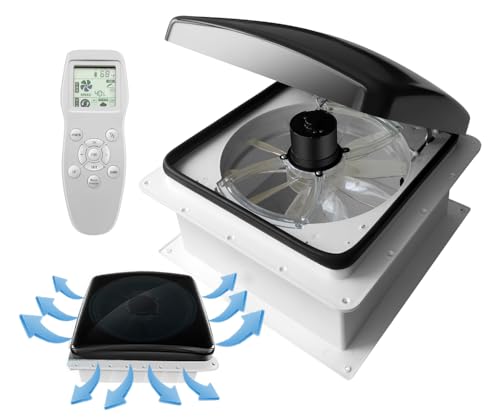
The hurrventer model emphasizes weather-resilient operation with a built-in rain shield and 10-speed, 12V operation. Its design supports exhaust and intake capabilities while maintaining performance in wet conditions, making it suitable for campers who encounter varied climates. The rain shield helps minimize the risk of water intrusion during rainstorms without sacrificing airflow.
Performance highlights include a focus on quiet operation and a robust motor suitable for continuous use. The design also notes compatibility with standard 14″ x 14″ openings, a common feature in many RVs, which reduces the need for extensive modifications during installation. For users who prioritize reliability in variable weather, this model offers a strong balance of air exchange and protection from the elements.
Buying Guide: Key Purchase Considerations
- Vent opening size and compatibility: Most RV vents use a 14″ x 14″ opening. Verify your roof cutout and mounting hardware before selecting a model.
- Airflow versus noise: Higher CFM and more blades can improve cooling but may increase noise. Look for models with multiple speed settings and, if possible, a low-noise motor.
- Power and control options: 12V DC is standard for RVs. Remote controls and temperature sensors can automate ventilation and conserve battery power on trips.
- Rain protection: If you camp in unpredictable weather, a built-in rain shield or rain cover helps prevent leaks while maintaining airflow.
- Installation and sealing: Proper sealing around the roof is essential. Consider models with comprehensive installation kits and included sealing tape or gaskets.
- Maintenance: Removable screens and accessible motors ease cleaning and troubleshooting, extending the life of the vent system.
- Downtime considerations: If upgrading an older setup, check mounting compatibility with your existing cutouts to avoid extra roof work.
- Reliability and warranty: Look for products with customer support and solid warranty terms, especially for frequent travel or full-time RVing.
When comparing options, weigh whether you prefer a remote-controlled unit or a manual lift system, and decide if automation (temperature-triggered exhaust) is a priority. For campers in hot climates, models with high airflow and a sealed rain shield may offer the most consistent comfort. For budget-minded setups, a simpler manual model can still deliver effective ventilation with easy maintenance.