Best Thermostats for Electric Heaters: Reliable Control for Warm Comfort
Choosing the right thermostat for electric heaters can improve comfort and energy efficiency in homes, offices, and garages. This guide highlights five popular options that work with electric baseboard, panel, and space heaters, helping you compare compatibility, features, and ease of installation. Each entry includes key specs, use cases, and practical setup notes to support informed decisions for American households.
| Product | Brand | Voltage Compatibility | Control Type | Approx. Use |
|---|---|---|---|---|
| EconoHome Adjustable Thermostat | EconoHome | 120V | Non-digital dial | Single-room comfort |
| Honeywell CT410B Manual Thermostat | Honeywell Home | 120-240V | Line voltage, manual | Baseboard/Convector |
| HEATIT ET-21 | HEATIT | 120V-240V | Manual outlet thermostat | Outlet control |
| Mysa Smart Thermostat LITE | Mysa | 120V-240V | Smart, Wi-Fi | Baseboard, wall heaters |
| meross Smart Thermostat | meross | 120V-240V | Smart, Wi-Fi | Baseboard, convectors |
EconoHome Adjustable Thermostat

The EconoHome adjustable thermostat is a plug-in, non-digital device designed to control heating and cooling lines through a simple temperature dial. It displays the current room temperature on its center, making it easy to reference while adjusting the preset target. With a controllable range from 41 to 86°F, it suits spaces that require a straightforward, no-fuss approach to maintaining consistent ambient temperatures. This model emphasizes ease of setup and energy restraint by turning devices on or off at the chosen setting, potentially reducing energy waste in smaller living areas or home offices.
Use cases include space heaters in bedrooms, living rooms, or dorm rooms where a simplified, user-friendly design is preferred. The device’s plug-in design means minimal installation effort—ideal for renters or temporary setups. It’s best paired with heaters that respond well to on/off cycling, rather than precise continuous control. The focus remains on reliable, trouble-free operation to support comfortable environments without constant manual adjustments.
Honeywell CT410B Manual 4 Wire Thermostat
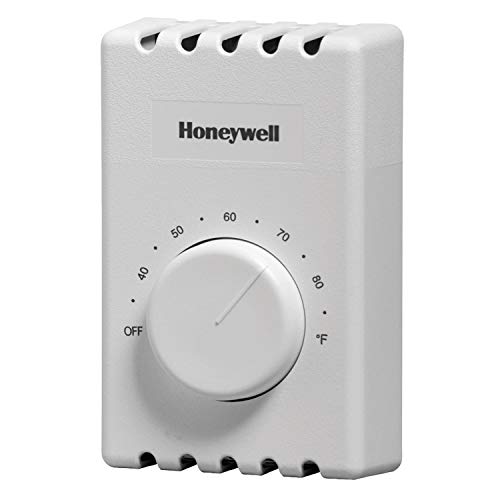
The Honeywell Home CT410B is a manual, non-programmable line voltage thermostat designed for 120-240 volts. It is compatible with electric baseboards, convectors, and non-inductive, rated fan-forced heaters, making it a flexible choice for a range of electric heating setups. The bimetal temperature sensor offers straightforward, dependable operation without the complexity of digital controls. This thermostat supports reliable, steady temperature management in spaces where manual adjustments are acceptable and simplicity is valued over programmable schedules.
Installation tends to be straightforward for basic electric heating circuits, though electricians should verify wiring compatibility and safety standards. Because this is a traditional manual model, it’s well-suited for users who prefer direct, tactile control over heat output. It also provides a robust option for retrofits in older homes where digital controls aren’t necessary or desired.
HEATIT ET-21 Freeze Thermostatic Outlet

The HEATIT ET-21 is a thermostatic outlet device that switches power based on ambient temperature. It energizes the outlet below 38°F (3°C) and automatically turns off around 50°F (10°C), offering automatic energy savings for devices connected to the outlet. This product is ideal for fans, space heaters, or other appliances that require seasonal control without a full thermostat install. It’s CSA approved and designed for dry locations, with a maximum load of 15 amps, making it a practical energy-management accessory in homes, cabins, or workshops where plug-in control is preferred.
Installation is as simple as plugging the device into a standard outlet. Because it operates as an outlet control rather than a wall-mounted control, it’s best used for plug-in heaters or heaters that are integrated within a specific outlet circuit. It provides a cost-effective way to reduce energy usage during unoccupied periods or during winter mornings when heat isn’t needed continuously.
Mysa Smart Thermostat LITE
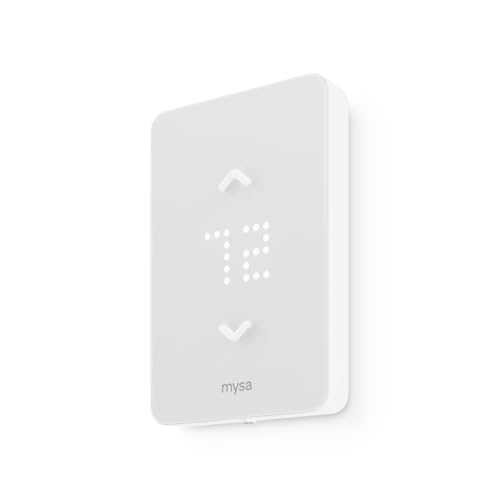
The Mysa Smart Thermostat LITE provides line voltage control for 120V-240V electric baseboard heaters, fan-forced heaters, wall heaters, and convectors. It supports DIY installation and a cloud-based app with HomeKit, Alexa, and Google compatibility, enabling remote control, scheduling, and energy reporting without ongoing subscription fees. The setup emphasizes user flexibility: create daily or weekly schedules, monitor energy use, and integrate with existing smart home ecosystems for voice and automation control. It’s a strong option for homeowners seeking modern conveniences alongside energy savings.
Important considerations include ensuring your system uses a 4-wire setup and confirming compatibility with your heater type. The device’s high-voltage requirements mean careful wiring during installation. Users should plan for a compact installation footprint behind a wall plate and verify stable Wi-Fi during initial setup to maximize automation features and remote access.
meross Smart Thermostat

The meross Smart Thermostat is designed for 120V-240V high-voltage systems, including electric baseboards, convectors, and fan-forced heaters. It supports Apple HomeKit, Alexa, Google, and SmartThings for voice and app-based control, with 4-wire installation required. The device emphasizes energy savings through programmable schedules, occupancy-based automation, and energy reports. It’s a comprehensive smart option for users seeking seamless integration with existing ecosystems while maintaining precise temperature control across zones.
Key installation notes include confirming the 4-wire requirement and ensuring your electrical box can accommodate the unit. While it provides rich smart features, it’s best suited for those comfortable with configuring home automations and managing devices via a mobile app. The warranty and firmware updates may also shape long-term reliability and feature access as the ecosystem evolves.
Buying Guide: Key Purchase Considerations For Electric Heaters
- Voltage and load compatibility: Verify whether your heater uses 120V or 240V circuits, and confirm the thermostat’s amperage rating matches or exceeds your heater’s draw.
- Control type: Decide between manual dial controls for simplicity, digital displays for precise setpoints, and smart thermostats for remote access and scheduling.
- Wiring requirements: High-voltage thermostats may require 2-4 wires. Ensure your wiring configuration aligns with the device’s installation instructions or consult a licensed electrician.
- Installation location: Wall-mounted thermostats fit most baseboard or wall heater installations, while plug-in outlets or outlet-controlled devices suit portable heaters or temporary setups.
- Energy savings features: Smart thermostats and programmable models offer schedules and energy reports that can reduce heating costs, especially in areas with fluctuating occupancy.
- Safety and certifications: Look for CSA or UL listings, especially for devices installed in damp or dry locations or used with heaters in living spaces prone to temperature swings.
- Maintenance and updates: Smart devices may receive firmware updates. Check the manufacturer’s policy on updates and support to ensure continued compatibility with your smart home ecosystem.
- Installation ease vs. control precision: Manual devices are typically easier to install and maintain but offer less precise control. Smart thermostats provide nuanced control but require more setup and connectivity.
Choosing a thermostat for electric heaters involves balancing simplicity, control, and energy management. Each option above serves different use cases—from renters seeking plug-in simplicity to homeowners wanting full smart-home integration. Consider your heater type, wiring, and preferred control style to pick the best fit for sustained comfort and efficiency.