Best Thermostat for Electric Heat: Top Electric Baseboard Solutions
Choosing the right thermostat for electric heat can improve comfort and energy efficiency. This guide highlights five reliable options suitable for baseboard and line-voltage systems, covering non-programmable and programmable models, smart Wi‑Fi control, and easy installation. Each product is evaluated for compatibility with electric baseboard heaters, ease of use, and notable features. Use the buying guide at the end to compare installation needs, wiring requirements, and energy-saving capabilities to select the best fit for your home.
| Product | Brand | Model |
|---|---|---|
| Honeywell Home CT410B Manual 4 Wire | Honeywell Home | CT410B1017 |
| Honeywell TL8230A1003 Line Volt | Honeywell | TL8230A1003 |
| Cadet T522-W Double Pole | Cadet | T522-W |
| Mysa Smart Thermostat LITE | Mysa | MIT-LLITE |
| Honeywell TL7235A1003 Line Volt Pro | Honeywell | TL7235A1003 |
Honeywell Home CT410B Manual 4 Wire Baseboard Thermostat
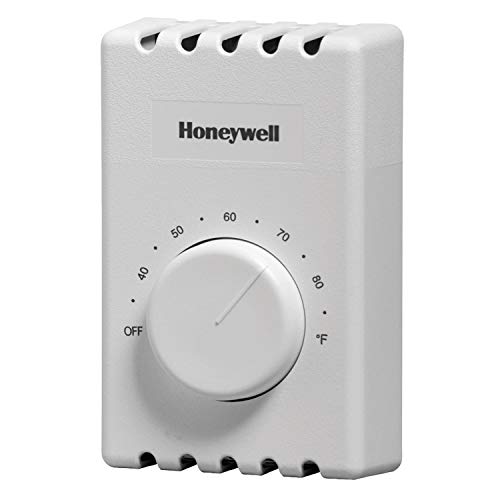
This non-programmable line-voltage thermostat operates on 120-240 volts and is designed for electric baseboards, convectors, and non-inductive fan-forced heaters. Its bimetal sensor provides straightforward, reliable temperature control with simple operation. The four-wire setup suits standard baseboard configurations and offers a robust, durable option for straightforward heating control.
Honeywell TL8230A1003 Line Volt Thermostat
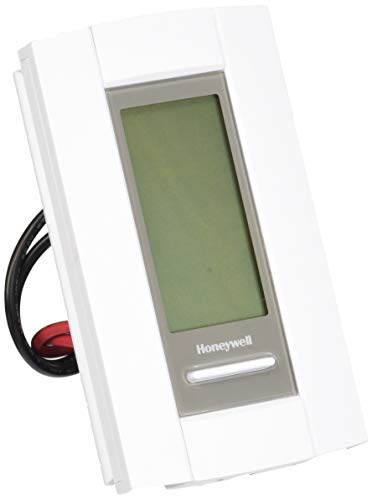
Programmable for 208/240V systems with 7-day scheduling, this model enables energy-saving control with up to 20% potential savings. It features electronic temperature control with precision of ±1 F, four-wire wiring, and a double-pole design. The unit is designed for quiet operation with reduced heating cycle noise, and is suitable for line-voltage baseboard installations in homes or apartments.
Cadet Double Pole Mechanical Wall Thermostat T522-W

Cadet’s T522-W is a 22-amp double-pole mechanical thermostat with a positive off position. It is designed to replace most line-voltage wall-mounted thermostats and uses color-coded wires for straightforward installation. This model emphasizes simple, reliable mechanical operation without electronics or programming, suitable for direct baseboard heating control in many spaces.
Mysa Smart Thermostat LITE (Line Voltage)
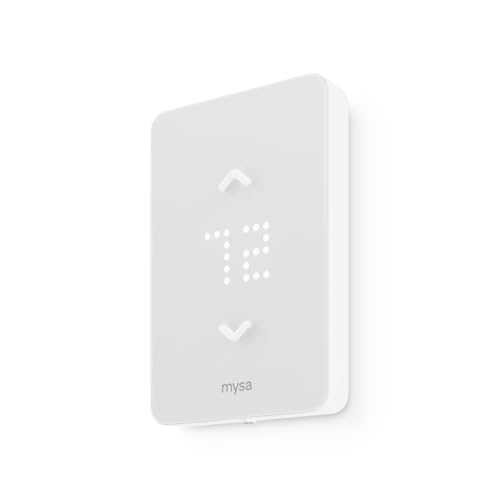
The Mysa LITE is a Wi-Fi connected line-voltage thermostat compatible with 120V-240V electric baseboard heaters, fan-forced heaters, and convectors. It supports custom schedules, remote control, energy reports, and smart integrations with HomeKit, Alexa, and Google. The app-based control can help reduce usage when away and maintain comfort at home, with a focus on user-friendly setup and ongoing software features without subscription fees.
Honeywell TL7235A1003 Line Volt Pro

This non-programmable digital thermostat offers electronic temperature control for 240-volt systems. Its on-demand backlight improves visibility in various lighting conditions, and its design aims to reduce the typical clicking sound associated with line-voltage thermostats. The unit includes a built-in heating indicator for quick status checks and straightforward operation in residential settings.
Buying Guide: Key Purchase Considerations
- Voltage and compatibility: Confirm your heater is line-voltage (120V, 240V, or 208/240V) and verify the thermostat supports four-wire or two-wire configurations as required by your baseboard or convector system.
- Programmable vs. non-programmable: A programmable model helps implement daily or weekly schedules for energy savings, while non-programmable options offer simple, reliable control with fewer components.
- Mechanical vs. electronic: Mechanical thermostats provide straightforward operation with no power draw, while electronic or digital models may offer precise temperature control and features like backlighting and status indicators.
- Smart features: Smart thermostats on line voltage (like Mysa) enable remote control, scheduling, and energy monitoring via apps and voice assistants. Consider Wi-Fi reliability and any ongoing app requirements.
- Installation and wiring: Some models require dual-pole wiring and proper wiring color conventions. If replacing older units, ensure the new thermostat fits the electrical box and has compatible wiring terminals.
- Noise and comfort: Electronic controls can reduce audible clicking; consider models with low noise operation and clear heating indicators for easier monitoring.
- Durability and warranty: Look for devices designed for harsh wall conditions and a warranty that covers electrical components and sensors for peace of mind.
- Energy savings expectations: Programmable and smart models generally offer the best potential savings; evaluate your heating patterns to estimate potential reductions in energy use.
- Local climate and usage: In colder climates or spaces with constant heat needs, a robust, reliable thermostat with stable control is essential to avoid temperature fluctuations.
When selecting a thermostat for electric heat, prioritize compatibility with your existing baseboards or convectors, ease of installation, and the level of control you desire—whether you prefer simplicity, programmable schedules, or smart remote features. The options listed above cover a range of use cases, from quick, dependable manual control to advanced, app-enabled management.