Best Safest Space Heaters for RVs
RVers need compact, reliable heating that prioritizes safety and efficiency. This guide highlights top options designed for small, mobile living spaces, focusing on stability features, temperature control, and energy efficiency. Each pick comes from trusted brands and offers practical safety protections for enclosed environments.
| Product | Brand | Key Safety Feature | Approx. Power |
|---|---|---|---|
| Suburban Wall Mount RV Electric Heater | Suburban | Slim, discrete mounting with adjustable thermostat | Unknown (Marine/RV rated) |
| Mr. Heater F232017 MH9BXRV Buddy | Mr. Heater | Auto shut-off and oxygen/tilt safety | 4,000–9,000 BTU |
| Dura Heat EUH1465 Electric Forced Air Heater | Dura Heat | Forced air with multiple heat/fan settings | 1500W |
| Boat Engine Compartment Heater | Xtreme Heaters | Self-regulating PTC for 40–55°F operation; waterproof fan | 150W increase, compact |
| GiveBest Portable Electric Space Heater | GiveBest | Overheat and tip-over safety; dual heat levels | 1500W/750W |
Suburban Wall Mount RV Electric Heater

Suburban’s wall-mount design brings warmth to a broad area without occupying floor space. Its slim profile (<5 inches thick) helps it blend with RV interiors, while an adjustable thermostat lets occupants dial in comfort. The unit’s compact form suits tight RV layouts and preserves valuable living space. With its discreet footprint and quiet operation, it provides steady heat for campers while maintaining a comfortable cabin temperature. The model prioritizes safe, stable heat delivery with simple controls.
Mr. Heater F232017 MH9BXRV Buddy Grey Indoor-Safe Portable RV Radiant Heater
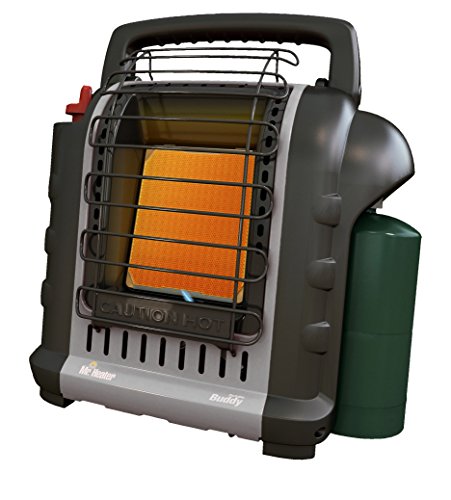
This compact radiant heater is designed for RV use, offering indoor-safety features such as auto shut-off if tipped over, oxygen depletion, or pilot light issues. Its 4,000–9,000 BTU range makes it suitable for small to medium RV spaces, providing quick warmth with reliable shut-off protections. The unit is lightweight and portable, allowing quick relocation between different living zones within the RV while maintaining a high safety standard for enclosed areas.
Dura Heat EUH1465 Electric Forced Air Heater
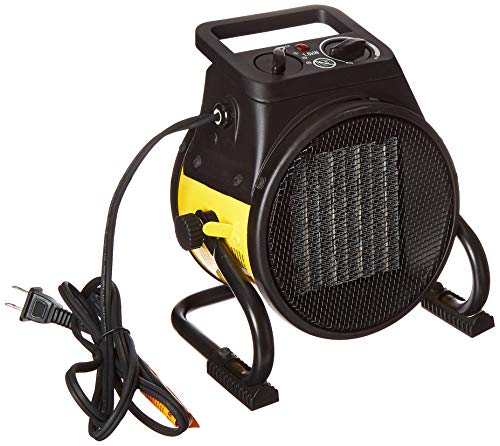
With a rugged steel construction and 1500W ceramic heating, this unit delivers quick warmth in compact spaces. Its forced-air design provides versatile heating options, including heat and a fan-only setting for milder days. The compact, durable build makes it suitable for RV storage compartments or small living areas where a sturdy heater is preferred. It’s a practical option for safe, steady heat without occupying valuable floor space.
Boat Engine Compartment Heater | 400w Marine Certified

Engine compartment heaters are designed for enclosed, moisture-prone spaces. This self-regulating PTC heater turns on around 40°F and off near 55°F, delivering consistent temperature control for under-RV compartments, bilge areas, or storage bays. Its durable construction, waterproof fan, and flexible mounting options make it a sensible choice for protecting critical components or creating a warm, stable space in tight marine or RV settings.
GiveBest Portable Electric Space Heater

The GiveBest model provides two heat levels (1500W or 750W) plus a cool-air option, making it versatile for year-round RV use. Its thermostat maintains a preset temperature, cycling on and off to conserve energy. Safety features include automatic shutoff on overheating and tip-over protection. A compact form factor with a carrying handle enhances portability for RV lifestyle, offering reliable warmth where you need it without bulky hardware.
Buying Guide: Key Considerations For RV Heating
- Safety protections: Look for tip-over switches, overheating protection, oxygen-deprivation sensors, and flame-retardant materials when choosing space heaters for enclosed RV spaces.
- Size and mounting: RV interiors favor slim, wall-mountable designs or compact free-standing units that don’t take up precious floor space while distributing heat evenly.
- Power compatibility: RV electrical setups vary; select heaters with adjustable wattage or energy-saving modes to avoid tripping circuits or drawing excessive power.
- Heat distribution: Consider models with oscillation, multiple heat settings, and fan-assisted options to maximize warm air reach in irregular RV layouts.
- Thermostat precision: A digital or adjustable thermostat helps maintain steady comfort and reduces energy use by preventing constant heating cycles.
- Durability in mobile environments: Durable housings, moisture resistance, and secure mounting options help withstand vehicle motion and climate changes.
- Noise levels: Quieter heaters are preferable for sleeping areas and living spaces inside RVs to maintain a comfortable environment.
- Maintenance and longevity: Easy-to-clean grills, accessible filters (if present), and reputable warranties add long-term value for mobile use.
- Versatility: Some models offer dual functionality (heat and fan only) for shoulder seasons, enhancing overall utility beyond winter use.
- Purchase considerations from multiple perspectives: Efficiency vs. cost, portability vs. heat output, fixed installation vs. freestanding options, and safety certifications (ETL, UL) can influence long-term satisfaction.