Best Programmable Thermostats for Electric Heat: Efficient Home Heating Options
For homes with electric baseboard or electric heating systems, a programmable thermostat can trim energy costs while keeping rooms comfortable. The following picks represent a mix of line-voltage and low-voltage options, including non-programmable models for reference and Wi‑Fi smart thermostats for remote control. Each product is evaluated for compatibility with electric heat, install ease, and precision of temperature control.
| Product | Brand | Platform | Notes |
|---|---|---|---|
| Honeywell TL8230A1003 Line Volt Thermostat | Honeywell | Line Voltage | 7‑day programmable; precise control; battery free |
| Honeywell Home RLV4305A1000 | Honeywell Home | Line Voltage (5‑2 Day) | Highly accurate; silent TRIAC switching |
| Suuwer Non‑Programmable Thermostat | Suuwer | Line Voltage | Simple single stage; blue backlight |
| Mercose/Generic Non‑Networked Options | Riseem | Line Voltage | Conventional single‑stage programmable |
| meross Smart Thermostat | meross | Smart/Wi‑Fi | Works with HomeKit, Alexa, Google; 120V–240V |
The list below focuses on models most suitable for electric heat, offering a blend of simple, reliable presets and modern smart features where available. Each entry includes a concise look at installation, compatibility, and major advantages.
Honeywell TL8230A1003 Line Volt Thermostat
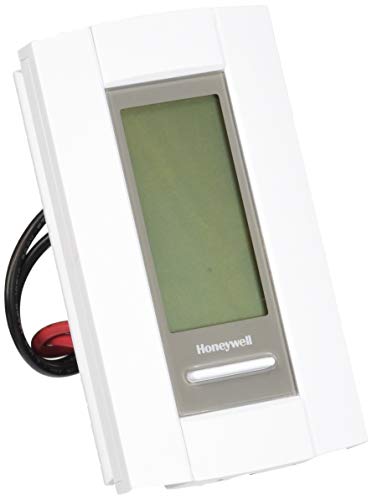
Designed for 208/240V circuits, this 7-day programmable line‑voltage thermostat targets electric baseboard and similar 240/208V heating. The device offers precise electronic temperature control with an accuracy of ±1 F, which can help reduce heating costs when paired with a consistent schedule. It uses a four‑wire, double‑pole setup and operates without batteries, contributing to reliability and low maintenance. A notable feature is its quiet operation, minimizing the typical thermostat “clicking” associated with older models. Ideal for households seeking a straightforward, energy‑savvy upgrade.
Key considerations: suitable for homeowners comfortable with line‑voltage wiring; check existing wiring to ensure a four‑wire, 240/208V configuration; the unit’s 15‑minute heating cycles help moderate cycle on/off behavior, balancing comfort with energy savings.
Honeywell Home RLV4305A1000 5‑2 Day Programmable Thermostat

This 5‑2 day model is optimized for electric baseboards, convectors, and fan‑forced heaters, delivering a precise temperature control within ±0.27°F. The TRIAC switching design enables silent operation, which helps reduce temperature swings without the audible noise of older mechanical thermostats. It’s well suited for environments where quiet operation and stable temperatures are a priority, especially in rooms that rely on consistent baseboard heating.
Key considerations: best for homes prioritizing silence and tight temperature maintenance; verify that the system is a compatible electric baseboard or convector configuration; compatible power range and wiring should be confirmed before installation.
Suuwer Non‑Programmable Thermostat for Single‑Stage Systems

This blue‑backlit, non‑programmable thermostat is intended for conventional single‑stage heating and cooling setups. It is not compatible with line‑voltage baseboards or multi‑stage systems. Potential buyers should confirm wire counts and system type before purchasing to avoid incompatibility. The device prioritizes a straightforward user experience with basic on/off control and clear display.
Key considerations: best for simple control where programmable features are not required; confirm that your system is a single‑stage, 1 heat/1 cool configuration and not a high‑voltage line system.
Riseem Programmable Thermostat for Home (5‑1‑1 Day)

Riseem’s 5‑1‑1 day programmable thermostat targets conventional single‑stage systems and supports 1 heat/1 cool configurations. It emphasizes ease of installation with universal terminal blocks and a clear backlit display. The device notes compatibility limitations, particularly with non‑standard systems or high‑voltage line‑voltage setups, so proper matching with existing equipment is essential.
Key considerations: ensure compatibility with your heating system before purchase; this model is designed for simple, single‑stage configurations and may not suit multi‑stage or heat pump setups.
Mysa Smart Thermostat LITE for Line Voltage
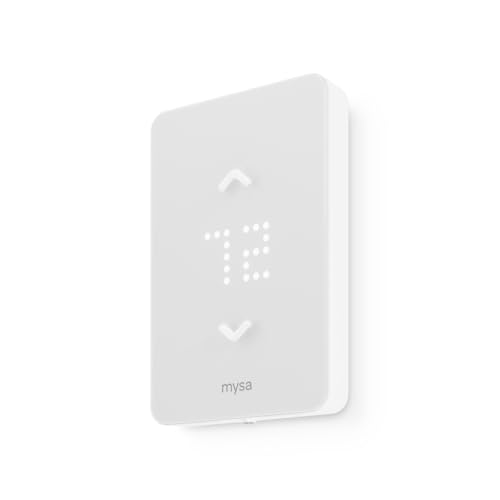
The Mysa LITE is a Wi‑Fi connected line‑voltage thermostat designed for 120V–240V electric baseboard heaters and other line‑voltage appliances. It supports HomeKit, Alexa, and Google, offering remote scheduling, energy reports, and app control without ongoing subscription fees. This model is a strong option for users seeking smart control and energy insights without complex installation. It requires a compatible high‑voltage electrical box and correct wiring to avoid safety issues.
Key considerations: ensure your baseboard or line‑voltage system is compatible; confirm that you have enough wiring in your junction box; be aware that the device relies on a mobile app and voice assistants for most control features.
Meross Smart Thermostat for Electric Baseboard

Designed for high‑voltage systems, Meross supports 16A loads at 120V and up to 3840W at 240V. It works with major smart ecosystems, offering voice control and remote scheduling. Installation notes highlight the need for 4 or more wired connections within the electrical box, and the product is suitable for electric baseboard, convector, and similar high‑voltage heating setups. It’s a versatile option for homes seeking smart features without a separate low‑voltage control system.
Key considerations: verify high‑voltage compatibility, ensure the box can accommodate the wiring, and confirm your heating equipment is within the supported load range.
Mysa Smart Thermostat LITE – Final Comparison
While Meross and Mysa both target line‑voltage bases, their ecosystems differ. Mysa offers a subscription‑free app with robust automation, while Meross emphasizes compatibility with Apple HomeKit and broader voice assistant support. For buyers choosing between them, consider ecosystem preferences, existing smart devices, and whether you prioritize app analytics or straightforward, silent operation in a traditional setup.
Buying Guide: Key Purchase Considerations
- System type and voltage: Confirm whether your heating is line voltage (baseboard/convectors) or low voltage with a separate furnace. This determines compatibility and wiring requirements.
- Programmability vs. smart features: Decide if you want simple, manual programming or full smart capabilities (remote control, energy reports, voice integrations).
- Accuracy and stability: Thermostats with tight temperature control help reduce energy waste. Look for models with precision around 0.2–1°F for line‑voltage systems where controllability matters.
- Install considerations: Line‑voltage thermostats require careful wiring; non‑programmable units are typically easier to install but offer less control. If you’re unsure, consult a licensed electrician.
- Silent operation: Some models minimize audible click and cycling, which matters in bedrooms or quiet living spaces.
- Energy savings features: Programs that align with your daily routine (wake, leave, return, sleep) can maximize savings without sacrificing comfort.
- Platform compatibility: For smart thermostats, verify compatibility with your preferred smart home ecosystem (HomeKit, Alexa, Google Assistant, or SmartThings).
- Future-proofing: If you anticipate changing heating appliances, consider a model with broader compatibility or easy integration into a full smart home setup.
- Safety and compliance: Ensure products meet local electrical codes and come with clear installation instructions and safety guidance.
Choosing the right programmable thermostat for electric heat involves balancing ease of installation, system compatibility, and energy savings goals. The options above cover straightforward, highly accurate line‑voltage models, as well as modern smart thermostats that bring remote control and energy analytics to electric heating systems. Evaluate your wiring, desired features, and how you plan to interact with the thermostat daily to determine the best fit for your home.