Best Indoor Heaters for Power Outages: Reliable Emergency Warmth
Power outages can leave homes cold and uncomfortable. The following indoor heaters are designed to safely provide warmth during outages, while offering portability, ease of use, and reliable performance. This guide selects five top options, examining heat output, indoor safety features, fuel type, and operation in emergency scenarios. Read on to compare units that can keep living spaces cozy when the lights go out.
| Product | Brand | Heat Output (BTU) | Fuel Type | |
|---|---|---|---|---|
| Mr. Heater Portable Buddy Radiant Heater (9,000 BTU) | Mr. Heater | 4,000–9,000 | Propane | Small to medium rooms |
| VESTA Self-Powered Camping Indoor/Outdoor Heater & Stove | Insta-Fire | Up to 200 (stove/heating) | Canned heat (no power needed) | Emergency indoors, compact spaces |
| 10,000 BTU Kerosene Heater (AHUAWA) | AHUAWA | 8,000–10,000 | Kerosene | Garages, living areas, outages |
| Sengoku Kerosene Heater (23,500 BTU) | KeroHeat | 23,500 | Kerosene | Large spaces indoors/outdoors |
| Mr. Heater Little Buddy 3,800 BTU | Mr. Heater | 3,800 | Propane | Small tents, tight spaces |
The selected units vary in fuel type and space coverage. For outages, consider safety features such as oxygen-depletion sensors, tip-over shutoff, and sturdy construction. Always use in well-ventilated areas and follow manufacturer instructions. The table above highlights core attributes to help pinpoint a model that fits your space and power-outage needs.
Mr. Heater Portable Buddy Radiant Heater

This portable radiant heater offers dual-stage heat with 4,000 or 9,000 BTU per hour, suitable for spaces up to approximately 225 square feet. It is designed and approved for indoor and outdoor use, and provides reliable warmth during power outages where gas is available. The compact form supports temporary shelter heating, cabins, and apartments. Safety considerations include venting requirements and proper clearance from combustibles. Its indoor readiness makes it a practical choice for emergency heat in moderate-sized rooms.
VESTA Self-Powered Camping Heater & Stove

The VESTA unit combines a space heater and stove in one compact device, designed to operate without electricity. It can warm areas up to about 200 square feet and also supports cooking, making it useful during outages when stove access is needed indoors. Two key advantages are indoor safety (no required outdoor use) and power-free operation, relying on canned heat for sustained warmth. Use caution with ventilation and ensure proper placement away from flammable materials. Its off-grid capability suits cabins, basements, and emergency shelters.
Portable Propane Heater for Camping (HEYDUOTON)

This compact propane heater delivers 3,800 BTU and has a stated radius suitable for up to 200 square feet. It is designed for both indoor and outdoor use, featuring a foldable base for stability and a one-push ignition for easy operation. The heater is marketed as suitable for camping and indoor use with careful placement. It offers flexible warmth during outages or mobile scenarios, but ensure adequate ventilation and follow safety guidelines regarding carbon monoxide and fuel handling.
AHUAWA 10,000 BTU Kerosene Heater

This kerosene heater provides 8,000–10,000 BTU and can heat spaces up to 200–350 square feet. It operates without electricity, leveraging a 1.35-gallon fuel tank that supports 15–21 hours of continuous heat per fill. Included accessories enhance setup and maintenance. It serves as a reliable emergency heater during outages, offering continuous warmth where power is unavailable. Ventilation and fuel handling guidelines are essential for safe operation in enclosed areas.
Sengoku Kerosenes Heater (23,500 BTU)

This high-output kerosene heater is capable of heating interiors or outdoors up to 1,000 square feet. It uses a 1.9-gallon fuel capacity, delivering up to 12 hours of warmth. Non-electric operation, built-in safety features like automatic shut-off and a push-button start simplify use during outages. It is suitable for larger spaces where gas-powered warmth is preferred, though proper ventilation and safe fueling are critical for enclosed areas.
Mr. Heater Little Buddy 3,800 BTU
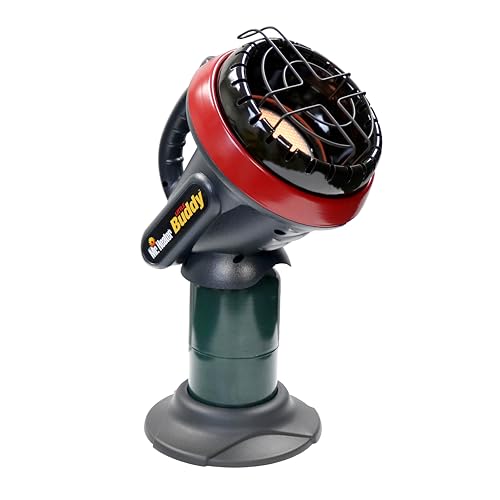
Designed for small spaces like tents and compact rooms, this 3,800 BTU propane heater includes an oxygen depletion sensor (ODS) for safety and a tip-over shut-off. The unit is lightweight and portable, with simple on/off controls and a runtime of roughly 5.6 hours on a 1-pound cylinder. It provides reliable heat in emergency shelter areas or confined spaces where a small, safe heat source is needed.
Buying Guide: Key Considerations For Choosing An Indoor Heater For Power Outages
- Heat output vs. space: Match BTU to room size. Larger spaces require higher BTU units or multiple devices to maintain comfort during outages.
- Fuel type and availability: Propane and kerosene offer quick heat, while some models operate without electricity using canned heat. Consider local fuel access and storage safety.
- Safety features: Look for oxygen-depletion sensors, tip-over shutoffs, automatic shut-offs, and flame guards. Ventilation is essential for gas-powered heaters in enclosed areas.
- Electrical independence: In outages, non-electric or low-electrical devices are valuable. However, ensure you can safely supply fuel and manage ventilation.
- Portability and setup: For temporary spaces or shelters, a compact, easy-to-move unit may be advantageous. Stability and sturdy bases reduce tipping risk.
- Ventilation and carbon monoxide risk: Always operate in well-ventilated spaces. Install CO detectors where heaters are used.
- Usage scenarios: Small tents, rooms, garages, cabins, or basements may require different designs (indoor-safe, low-odor options, etc.).
- Maintenance and accessories: Fuel handling tools, wicks, and safeties impact long-term reliability during repeated outages.
When selecting a heater for power outages, prioritize safety, space, and availability of fuel. The five units above cover a spectrum from compact, indoor-safe options to high-output kerosene models that can warm larger rooms or workspaces. Always follow the manufacturer’s installation and safety guidelines to maintain a safe indoor environment during emergencies.