Best Heaters for Koi Ponds: Safe Winter De-Icing Solutions for Your Pond
Cozying koi ponds through icy winters requires reliable de-icers and pond heaters. The right device keeps a small breathing hole in the ice, supports oxygen exchange, and protects aquatic life. This guide reviews top options, focusing on safety, efficiency, and ease of use for American ponds. Below is a quick overview of five selected products to help you compare at a glance.
| Product | Brand | Power | Key Benefit |
|---|---|---|---|
| Farm Innovators 1250W Floating De-Icer | Farm Innovators, Inc. | 1250W | High capacity for larger ponds |
| Laguna PowerHeat 315W Floating De-Icer | Hagen | 315W | Compact, reliable with LED indicator |
| TURBRO PD400A 400W Floating De-Icer | TURBRO | 400W | Full stainless steel, long cord, safety features |
| SoulBay 1000W Pond Heater | SoulBay | 1000W | Thermostatically controlled for stable temps |
| Engtesy 500W Submersible Pond Heater | Engtesy | 500W | Non-conductive, versatile pond or stock tank use |
This article features five products that represent a range of pond sizes, power options, and safety features. In the sections below, each product is presented with a concise overview, its intended use, and how its features support safe winter operation for koi and other pond life. The information reflects current specs and typical usage scenarios to help you choose with confidence.
Farm Innovators 1250W Floating De-Icer

The Farm Innovators 1250W floating de-icer is designed to sit on the surface of cold ponds and create a hole in the ice to sustain gas exchange for fish and beneficial bacteria. Its cast aluminum construction prioritizes heat transfer efficiency and weather resilience, making it suitable for exposed outdoor ponds. The unit’s thermostatic control activates only when needed, helping reduce energy use while maintaining a safe open area in winter waters. A 10-foot cord provides flexibility for pond placement and power access near the water’s edge. This model is well-suited for moderate to larger koi ponds that require dependable de-icing without high operating costs.
Key features include: surface float design, durable aluminum construction, thermostatic control, weather-ready build, and a moderate to high wattage for larger ponds. For best results, ensure the de-icer is positioned away from the pond’s edge and in a clear area to avoid debris or weed interference. Regular inspection during extreme weather helps confirm the unit remains unobstructed and functional.
Laguna PowerHeat 315W Floating De-Icer

The Laguna PowerHeat 315W floating de-icer is a compact option designed for outdoor ponds with fish. It operates with a thermostat to shut off when temperatures are safe, preventing excessive heating and protecting pond life. The unit includes a highly visible LED indicator that confirms when the de-icer is active, offering quick status checks at a glance. It’s compatible with plastic and liner ponds and comes with a 22-foot cord for flexible placement. This model is ideal for smaller to medium-sized ponds where space or power considerations favor a lower-wattage heater.
Considerations include LED visibility for easy monitoring, thermostat reliability in cold extremes, and the length of the power cord to reach a sheltered outlet. Avoiding plastic pond placement may extend life; always follow manufacturer guidance for safe operation and keep the unit elevated from sediment.
TURBRO PD400A 400W Stainless De-Icer

The TURBRO PD400A de-icer uses a robust stainless steel casing and a long 32.8-foot power cord to position the unit where it is most effective while staying away from pond edges. It integrates safety features including GFCI leakage protection and a watertight design suitable for outdoor ponds. The device focuses on reliable de-icing rather than heating the entire pond, creating a small open space that allows fish to breathe and move while the rest of the water remains cold. The extended cord helps users place the heater in optimal spots away from debris or pond liners that might trap heat.
Important considerations include electrical safety features (GFCI and IP68 rating), placement to minimize contact with mud, and ensuring the unit remains accessible for regular checks during freezing conditions. This model suits larger, fish-friendly outdoor ponds where durability and safety are paramount.
Engtesy 500W Submersible Pond Heater

The Engtesy 500W pond heater is designed as a submersible unit suitable for ponds and stock tanks. Its non-conductive casing reduces risk to water users and aquatic life, making it a practical choice for barns or outdoor enclosures where animals may drink from the water. The heater’s 10-foot cord provides flexibility in placement, and its durable construction withstands cold-weather exposure. This model serves as a versatile option for mixed-use settings and smaller to mid-sized ponds that require a reliable, safe submersible heater.
When using, ensure the heater is fully submerged as directed and avoid touching the surface while operating. Regular inspection ensures the cord and housing remain intact in winter conditions, and it pairs well with separate temperature control for more refined maintenance of water conditions.
SoulBay 1000W Thermostatic Pond Heater
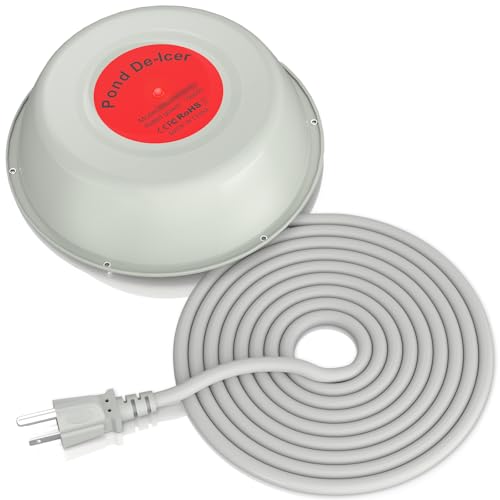
The SoulBay 1000W pond heater is a thermostatically controlled floating de-icer designed for outdoor ponds and bird baths. Its 1000-watt heating element provides robust capability to maintain an area of open water, facilitating oxygen exchange during freezing conditions. The thermostatic control ensures the device engages only when needed, contributing to energy efficiency and reducing wear on the unit. This option is well-suited for larger ponds where a higher wattage is required to reliably keep a breathing hole open and accessible to fish and beneficial bacteria.
Key considerations include ensuring adequate clearance around the heater to prevent entanglement with aquatic plants or debris and confirming the power supply is protected from moisture exposure. Regular checks help verify proper function of the thermostat and confirm the open-water area remains unblocked during winter storms.
Buying Guide: Key Purchase Considerations For Pond Heaters
- Pond size and fish load: Larger ponds or higher fish populations typically require higher wattage to maintain an open water hole. Smaller ponds can often use lower-wattage, efficiently thermostated units.
- Placement and safety: Floating or submersible designs affect placement options. Consider cord length, proximity to electrical outlets, and the risk of reaching pond edges or debris. Look for IP-rated housings, stainless steel casings, and GFCI protection for added safety.
- Thermostat and temperature control: Thermostatic control helps prevent over-heating and reduces energy consumption. SCR-based regulation can offer faster response and longer life in some models, but reliability varies by brand and build quality.
- Undercut risk and material durability: Aluminum and stainless steel housings resist corrosion and cold-induced brittleness. Non-conductive casings provide additional safety benefits when animals may have access to water.
- Cord length and outlet accessibility: A longer power cord increases flexibility for placement away from storms or waterline runoff. Ensure outlets are protected with weatherproof covers and GFCI protection if located outdoors.
- Maintenance and lifespan: Consider the ease of cleaning debris and checking the unit during winter. Models with simple thermostats and robust construction typically offer longer service life in outdoor conditions.
- Impact on pond ecology: The goal is to create a safe breathing hole without overheating. Choose de-icers that stabilize at safe temperatures and avoid frequent cycling that can stress fish.
In selecting a heater, think about the typical winter severity in your region, pond depth, plant presence, and any nearby electrical constraints. For most American ponds, a thermostatically controlled floating de-icer or a submersible heater with reliable safety features provides a balanced approach between open-water access for oxygen and energy efficiency. Always follow installation instructions, maintain clearances from pond edges, and inspect devices regularly during freezing conditions.