Best Heat Tape for Sewer Pipes: Reliable Freeze Protection for Wastewater Systems
Choosing the right heat tape for sewer pipes helps prevent freezing, backup backups, and costly damage in cold climates. This guide covers top-rated options designed for wastewater and drain applications, balancing safety, durability, and energy efficiency. The featured products span fluoropolymer, copper-core, and self-regulating cables compatible with metal, PVC, and other pipe materials. Read on to compare features, certifications, and installations so you can select the best heat tape for sewer and wastewater pipes.
Summary of selected products:
- SZFY 3FT~207FT Heat Tape for Water Pipes (5W/FT, -40°F)
- YeloDeer 15 Feet Fluoropolymer Corrosion-Proof Heating Cable (Drain/Sewer)
- MAXKOSKO 30 Ft Sewage Pipe Heating Cable (Fluoropolymer, 100 PSI)
- JDZKOMKE 50FT Pipe Heating Cable for Freeze Protection (UL full-cable, -40°F)
- HEATIT Water Pipe Heat Tape (3 Feet, CSA & ETL Certified)
SZFY Heat Tape For Water Pipes
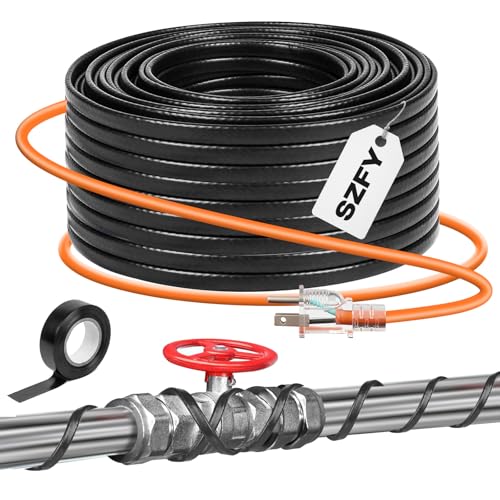
Feature-rich and designed for multi-scenario use, SZFY heat tape supports 3 to 207 feet of length and endure -40°F conditions. The cable is rated at 5W per foot, offering strong heating efficiency even in severe cold. The copper core and thick insulation emphasize reliability and energy savings. A robust IP67-rated outer jacket ensures moisture and chemical resistance for both in-pipe and external installations. This cable’s breadth makes it suitable for roofs, gutters, and outdoor wastewater drainage applications, where freezing conditions commonly appear.
Safety and installation considerations are central to SZFY’s design. The inner copper core delivers even heat, while the aluminum shielding reduces risk of shorts. The assembly includes a weatherproof outer layer and a plug with indicator light for immediate status checks. The manufacturer highlights UL-related certifications in the build, underscoring an emphasis on safety beyond the plug alone. For sewer and drain lines, these attributes translate into predictable performance under fluctuating winter conditions.
YeloDeer Fluoropolymer Drain Pipe Heat Cable

YeloDeer’s 15-foot fluoropolymer heating cable targets wastewater and sewer lines with corrosion resistance and extended life. Fluoropolymer insulation resists acids, alkalis, and harsh environments common in drainage systems. The design emphasizes durability for submerged or buried installations, helping prevent backup and freezing in pipes that transport wastewater or condensate. The insulation and outer jacket are engineered to withstand continuous exposure to moisture and outdoor temperatures, making it suitable for exterior drains as well as basement sump connections.
Key considerations include corrosion resistance, temperature tolerance, and installation ease. The fluoropolymer core and protective layers offer a long service life in challenging environments, while the 15-foot length provides flexibility for typical run lengths in residential or light commercial sewer applications. This product lists typical use cases such as drain pipes, sump lines, and wastewater systems, aligning well with common American setups facing winter freezes.
MAXKOSKO 30 Ft Sewage Pipe Heating Cable

MAXKOSKO’s 30-foot heat cable is tailored for sewer and drainage systems, including buried lines and outdoor wastewater setups. The fluoropolymer construction provides corrosion resistance while maintaining flexibility for in-pipe and external installations. The product supports temperatures well below freezing and is rated for adequate water pressure, making it a solid choice for projects involving drains, basements, and outdoor sewer lines. It’s designed to prevent blockages and ensure wastewater continues to flow during cold snaps.
Operational features emphasize safety and durability: the cable resists corrosion, works with various pipe materials, and is suitable for environments requiring robust insulation against moisture and chemical exposure. The 30-foot length makes it a practical mid-range option for typical residential drain networks, offering substantial coverage without excessive installation work. For properties with exposed or partially buried sewer lines, this cable provides dependable protection against freezing conditions.
JDZKOMKE 50Ft Pipe Heating Cable

JDZKOMKE presents a 50-foot heat cable designed for freeze protection of metal and plastic pipes, including water lines in coastal or high-salinity environments. The entire cable is UL-certified, and the product includes a 5-foot grounded plug with an indicator light. With a 70% aluminum shield and a TPE jacket, the cable is built to withstand UV exposure and chemicals while remaining flexible enough for buried or exposed pipe runs. The copper core emphasizes uniform heating and energy efficiency, reducing risk of ice formation as temperatures drop to -40°F.
Important safety notes highlight that this cable is intended for water pipes, not for fuel lines or gutters, to prevent overheating from dry conditions. The device is designed for long-term service life, including multiple bend cycles, which is advantageous for complex sewer layouts or outdoor installations where piping transitions occur. Installers should follow guidance on clearance and weatherproofing to maximize performance in cold seasons.
HEATIT Water Pipe Heat Tape (3 Feet)

HEATIT’s 3-foot heat tape is CSA and ETL certified, with a fully certified build across the entire cable. It is designed for water-filled plastic (including PEX) and metal pipes, offering reliable freeze protection with a built-in thermostat and a UL-certified plug. The cable operates at 120V with a stated wattage of 7W per foot, and a maximum water exposure rating suitable for outdoor and damp environments. The 3-foot length makes it ideal for targeted routing along shorter drain segments or tight spaces in sewer line configurations.
The product emphasizes safety and longevity through complete certification and IP-rated construction. The waterproof and dustproof design aims to withstand harsh winter conditions while delivering consistent heating. The included insulation strategy and thermostat management help maintain energy efficiency and prevent overheating in sensitive drain areas like basins, outdoor lines, and sump connections.
Buying Guide: Key Considerations For Sewer Pipe Heat Tape
- Compatibility: Ensure the cable is suitable for your pipe material (metal, PVC, PEX) and whether installation is inside the pipe, along the exterior, or both.
- Temperature Range And Wattage: Look for cables rated to -40°F or lower for cold climates and choose wattage per foot (e.g., 5W/ft, 7W/ft) that balances heating performance with energy use.
- Self-Regulating vs. Constant Wattage: Self-regulating cables adjust output to prevent overheating, while constant-wattage models provide steady heat. For irregular runs and exposed areas, self-regulating options often offer safer operation.
- Certifications: Favor products with full-system certifications (ETL/CSA) and fully certified cables rather than plugs alone. Check IP ratings for moisture and chemical resistance.
- Durability And Materials: Fluoropolymer or copper-core designs provide different trade-offs between corrosion resistance, flexibility, and longevity. Exterior installations require robust jackets and shielding.
- Length And Installation: Measure pipe runs to select an appropriate length. Straight, spiral, or overlapping installation patterns may affect heat distribution and effectiveness.
- Safety And Warnings: Follow manufacturer recommendations to avoid misapplication with fuel lines, gutters, or non-plumbing use. Keep away from electrical hazards and ensure proper grounding.
- Warranties And Liability: Consider products backed by substantial warranties and product liability coverage for long-term use in critical wastewater systems.
In summary, choosing the right heat tape for sewer and wastewater pipes involves assessing material compatibility, climate conditions, safety certifications, and installation practicality. The products highlighted here offer a range of lengths, materials, and safety features to address common freezing risks in residential and light commercial sewer networks. Compare the certifications, warranty terms, and installation requirements to identify the best match for your system.