Best Gas Heating Systems for Homes: Safe, Efficient Picks for Warm Spaces
Gas heating systems offer a reliable alternative to electric heat, delivering steady warmth with efficiency when installed and used correctly. This guide highlights five well-reviewed options suitable for American homes, spanning vented and ventless designs, dual-fuel capabilities, and wall-mounted units. Each product section explains key features, fuel options, and heating coverage to help you compare performance and choose a system that fits your space and budget. The options below emphasize safety, thermostat control, and realistic fireplace aesthetics where applicable.
| Product | BTU | Fuel | Type |
|---|---|---|---|
| Dyna-Glo 10,000 BTU Vent Free Wall Heater | 5,000–10,000 | Natural Gas | Vent Free Wall Heater |
| Duluth Forge Dual Fuel Ventless Fireplace System (Antique White) | 32,000 | Natural Gas or Propane | Ventless Fireplace Insert |
| ProCom Dual Fuel Ventless Fireplace System (Toasted Almond) | 15,000 | Natural Gas or Propane | Ventless Fireplace Insert |
| Duluth Forge Dual Fuel Ventless Fireplace System (Matte Finish) | 32,000 | Natural Gas or Propane | Ventless Fireplace Insert |
| Dyna-Glo 20,000 BTU Vent Free Wall Heater | 10,000–20,000 | Natural Gas | Vent Free Wall Heater |
Note: The products listed cover a mix of ventless and vented designs, dual-fuel capability, and realistic log aesthetics. Always verify clearance requirements, ventilation needs, and local codes before installation. This guide provides a high-level overview to help you compare options for residential use.
Dyna-Glo 10,000 BTU Vent Free Wall Heater

Features: Natural Gas Ready (fuel conversion not permitted); Blue Flame Technology convects heat to warm the air similarly to central systems. Provides 5,000–10,000 BTU/hr with variable heat output, suitable for spaces up to about 300 sq. ft. This unit emphasizes safety and efficiency for smaller-to-mid-sized rooms and can be a good supplemental heat source in colder months.
Duluth Forge Dual Fuel Ventless Fireplace System (Antique White)

Features: Ventless dual-fuel technology enables operation with natural gas or propane (no outside duct or chimney required). 32,000 BTU capacity heats up to 1,500 sq. ft. Includes remote control with LCD, manual and thermostat modes, and a mantle with hand-painted logs for a realistic look. Ideal for living rooms and larger spaces seeking ambience with warmth.
ProCom Dual Fuel Ventless Fireplace System (Toasted Almond)

Features: Dual-fuel technology supports natural gas or propane. 15,000 BTU heat output, heating up to 600 sq. ft. Thermostat control maintains desired room temperature by cycling the unit on and off. Includes four hand-painted logs and a mantle with distressed edges for a stylish, realistic appearance.
Duluth Forge Dual Fuel Ventless Fireplace System (Matte Finish)
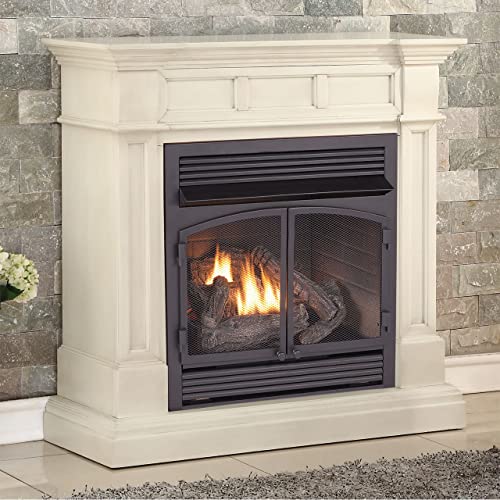
Features: 32,000 BTU dual-fuel system (natural gas or propane) heats up to 1,500 sq. ft. Thermostat-controlled operation with remote. Six hand-painted logs and a durable mantle combine to deliver a realistic look and reliable warmth for larger rooms. Double mesh doors and a brick liner complete the design.
Duluth Forge Dual Fuel Ventless Fireplace System (Auburn Cherry)

Features: 32,000 BTU dual-fuel technology supports natural gas or propane. Heating up to 1,500 sq. ft. Thermostat control automatically cycles heat to maintain a comfortable temperature. Six logs with a cherry finish mantle offer a classic fireplace aesthetic, plus practical remote control for convenience.
Dyna-Glo 20,000 BTU Natural Gas Vent Free Wall Heater

Features: Natural gas-ready (fuel conversion not permitted). Blue Flame Technology convects heat to warm the air akin to a central heating system. Provides 10,000–20,000 BTU/hr with variable output, capable of heating up to 700 sq. ft. This unit is designed for larger rooms and spaces seeking enhanced heat distribution without ductwork.
Buying Guide: Key Considerations When Choosing Gas Heating For Homes
- Ventless vs. vented: Ventless models heat quickly and require no chimney, but indoor air quality and carbon monoxide safety are essential concerns. Vent-free units should be installed with proper clearances and in well-ventilated spaces as recommended by the manufacturer and local codes.
- BTU and room size: Match BTU output to the space. For smaller rooms, lower BTUs may suffice, while open floor plans or larger areas may require higher BTU ratings or supplemental heating strategies.
- Fuel type and availability: Dual-fuel options offer flexibility to use natural gas or propane. Consider the ease of obtaining propane and the existing gas line setup in your home.
- Thermostat control: Look for units with built-in thermostats or remote controls to maintain steady temperatures and improve energy efficiency by cycling heat on and off as needed.
- Installation and safety: Assess clearance requirements, mounting options (wall-mounted vs. freestanding), and electrical needs for remote controls or fans. Ensure compliance with local building codes and professional installation when needed.
- Aesthetics and ambiance: If you prefer a realistic fireplace look, some models include hand-painted logs and mantles for enhanced visual appeal. Consider whether you want a purely functional heater or a unit that doubles as a decorative centerpiece.
- Maintenance and components: Check for durability of logs, the reliability of remote controls, and any maintenance needs such as venting for vented models or proper gas connections for dual-fuel systems.
- Cost of operation: While gas can be cost-effective, compare efficiency ratings and annual energy use estimates where available to gauge ongoing expenses.